Wilmington, Los Angeles · Harbor area
Water Damage Restoration Wilmington, CA
24/7 water damage restoration in Wilmington, CA. The extraction crew pulls the standing water out, the drying team brings the structure to the IICRC S500 drying goal, and every reading goes into the file for your insurance claim.
(888) 563-9619Water on the floor? Get extraction started- Truck-mounted extraction
- IICRC S500 drying goal
- Daily moisture logs
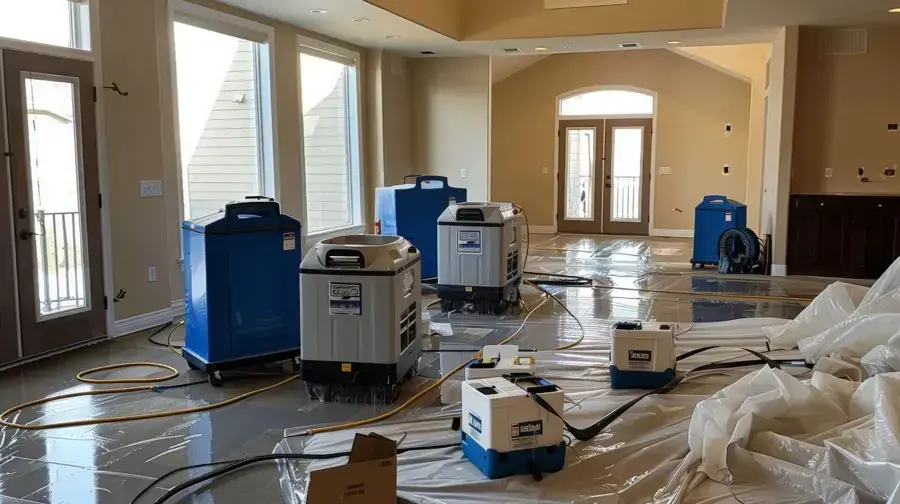
The first few minutes
What to do while the water is still moving
- 1
Close the main shutoff
In most Wilmington houses the valve sits on the pipe that comes up from the ground near the front hose bib.
- 2
Cut power to wet rooms
Only at a dry breaker panel. Stay out of standing water near outlets, cords and space heaters.
- 3
Photograph, then lift
Take wide shots and close-ups first, then lift rugs, boxes and furniture off the wet floor.
- 4
Call before it reaches the subfloor
The 24 to 48 hour window decides how much drywall, pad and flooring has to come out.
Water and sewage losses
Water Damage Restoration Services in Wilmington, CA
Wilmington Water Damage Restoration handles water and sewage losses only, from a pinhole in the copper under a slab to a flooded garage after a winter storm. Every job runs in the same order: map the moisture, extract, dry the structure, confirm it dry.
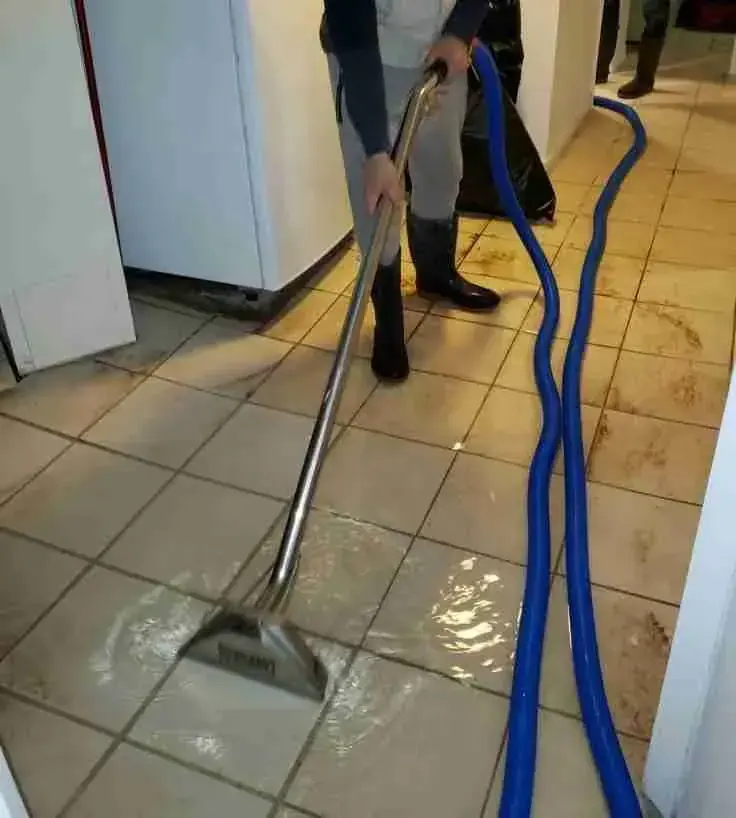 Water Extraction and RemovalStanding water pulled out first, before it soaks pad, drywall and the slab below.See the details
 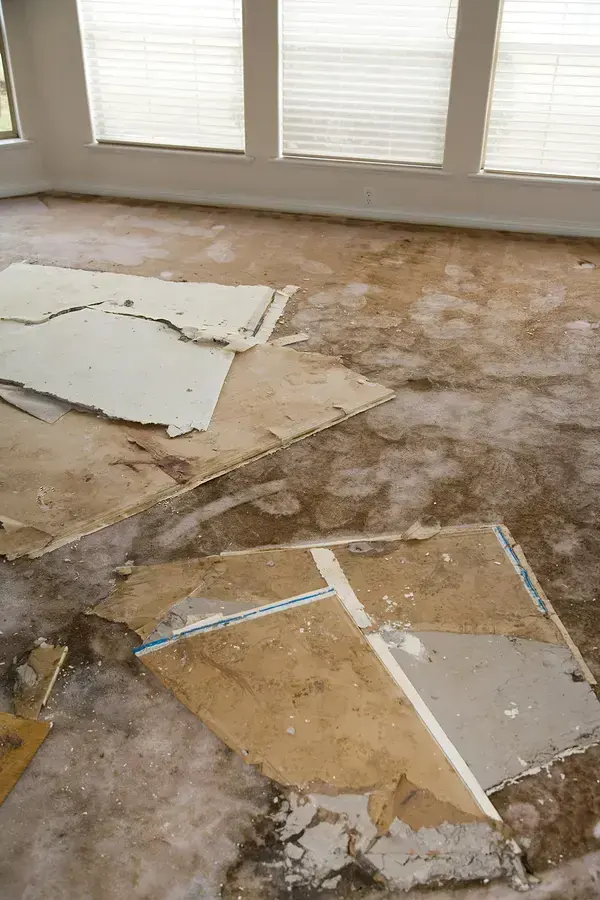 Slab Leak Water DamagePinholes in copper under postwar slabs, traced, opened up and dried from below.See the details
 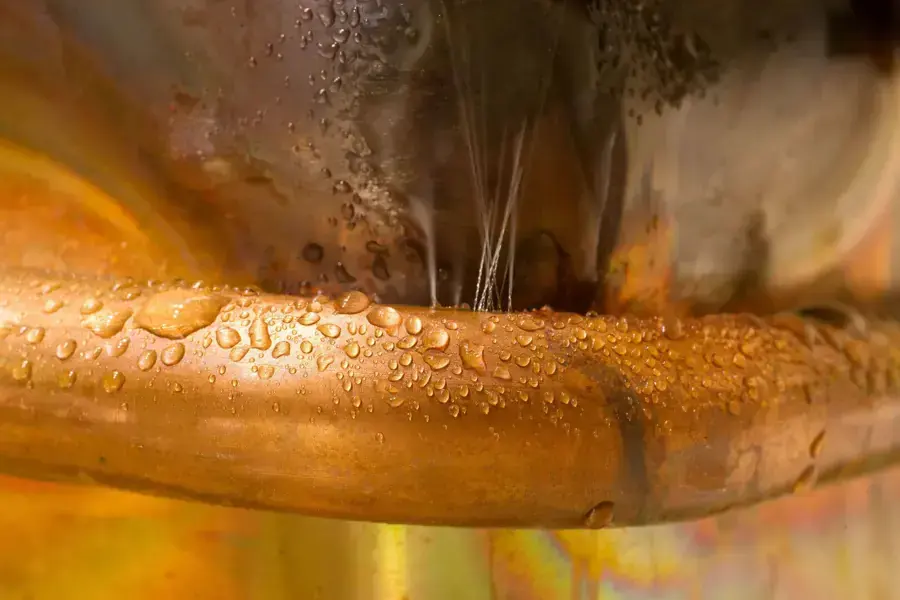 Burst Pipe Water DamageRusted galvanized joints and failed connectors, extracted and dried inside the wall.See the details
 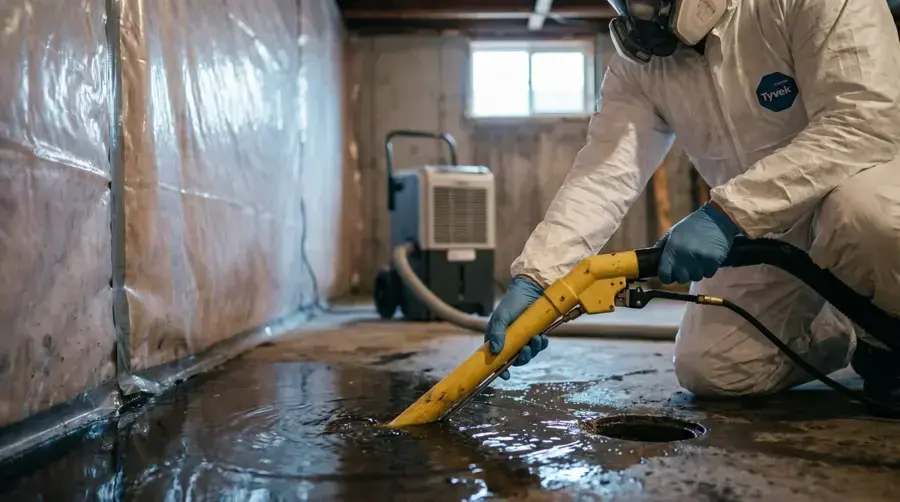 Sewage Backup CleanupLateral backups into tubs and floor drains, handled as Category 3 from the start.See the details
 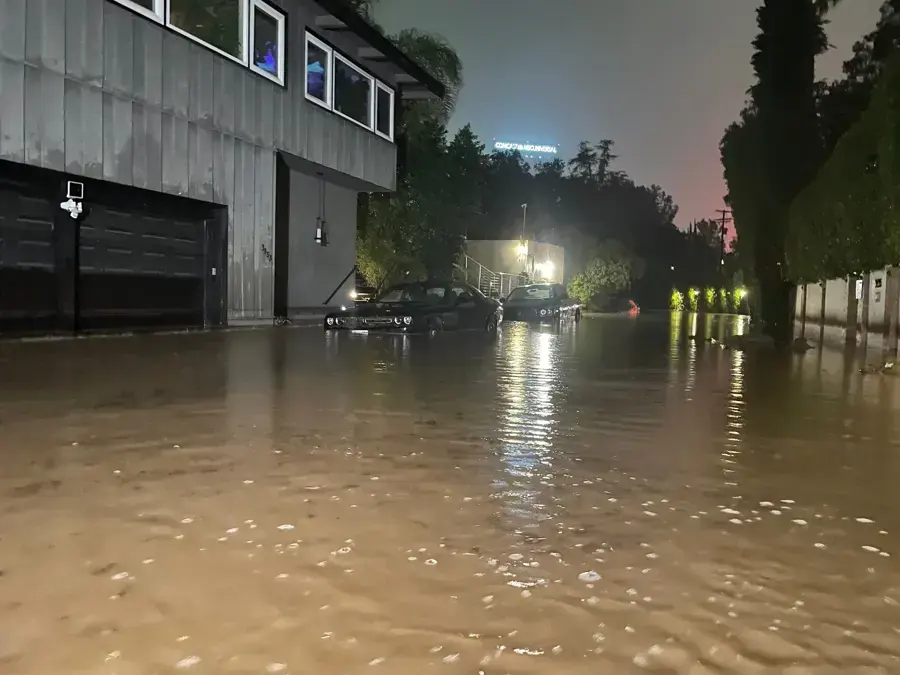 Storm and Flash Flood CleanupWinter storm runoff on low harbor ground, pumped out, disinfected and dried.See the details
 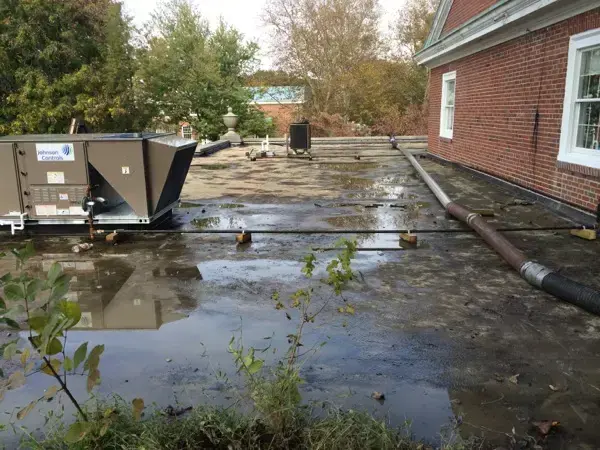 Roof Leak Water DamageFlat and low-slope roofs that give way in the first big storm of the season.See the details
 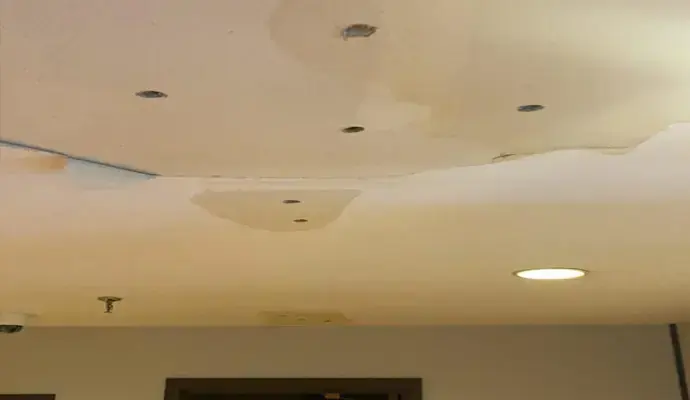 Ceiling Leak Water DamageLeaks from upstairs units and bathrooms, traced and dried without guesswork.See the details
 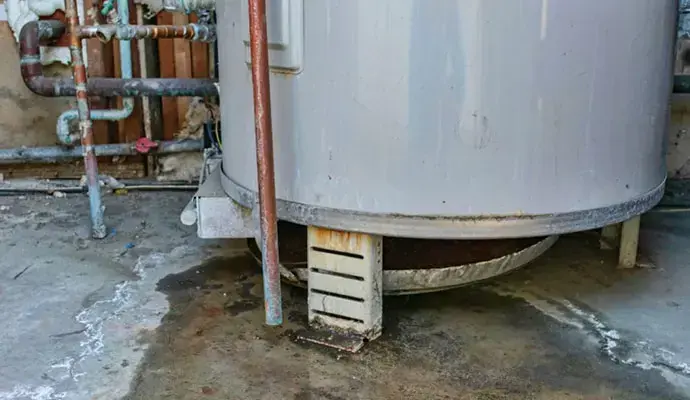 Water Heater Leak CleanupGarage and closet tanks that rusted through, dried before the drywall wicks it up.See the details
 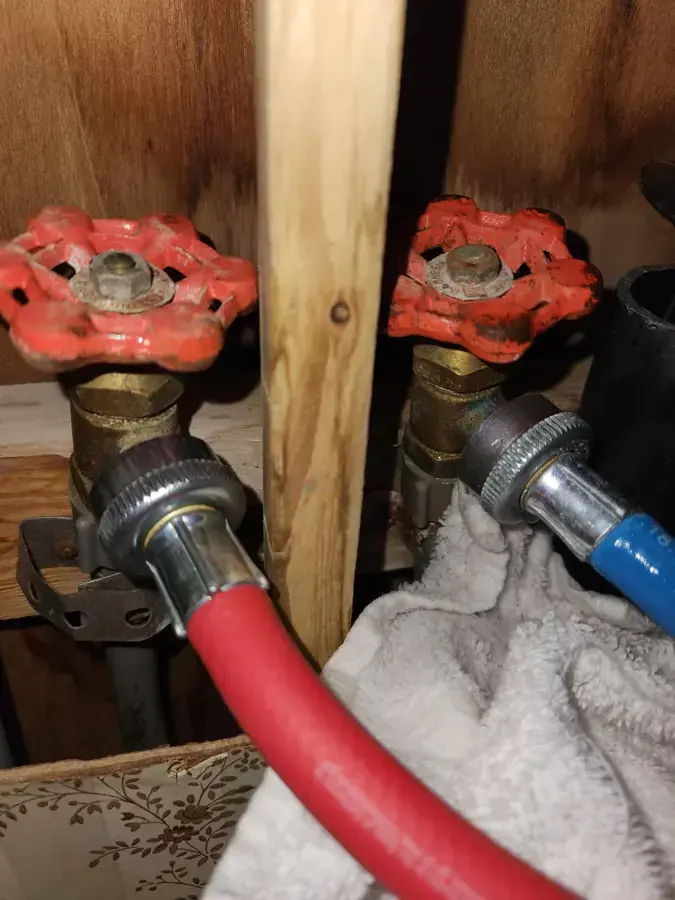 Appliance and Supply Hose LeaksWasher hoses, dishwashers, ice makers and toilet supplies that fail without warning.See the details
 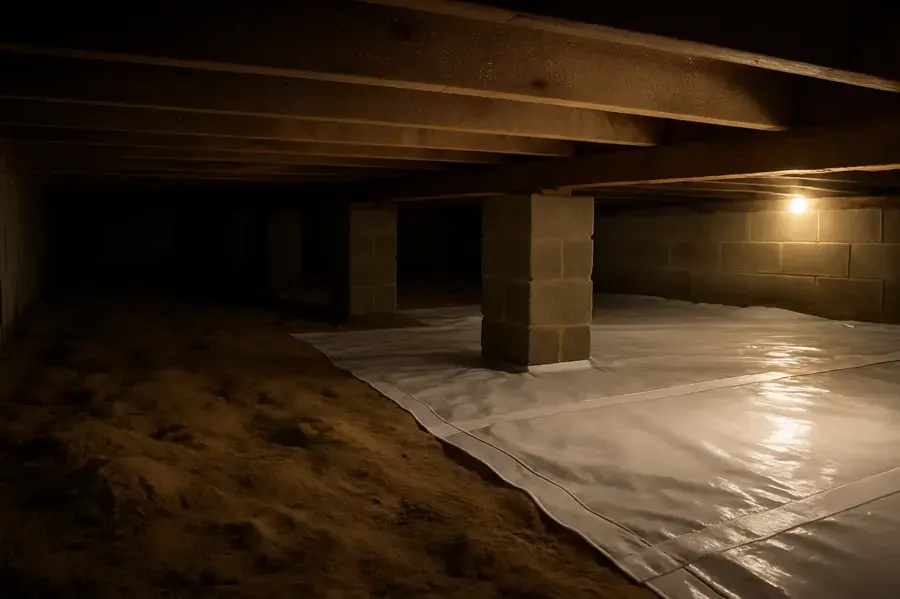 Crawl Space Water RemovalWater under raised-floor bungalows pumped out and the joists and subfloor dried.See the details
 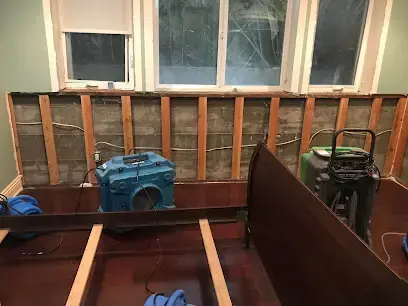 Structural Drying and DehumidificationFraming, subfloor and plaster dried to a moisture reading, not to a guess.See the details
 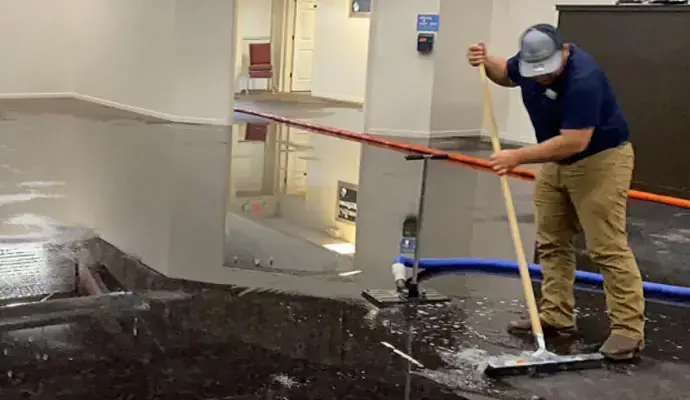 Commercial Water DamagePort-area warehouses, shops, offices and apartment buildings dried in phases.See the details
 How a loss is handled
How water damage is handled in Wilmington
Four things decide whether a dry-out is finished or only looks finished. The response team works the same way on every call, from one bathroom to a warehouse floor.
Rapid local response
Dispatch runs 24/7 for Wilmington and the harbor area, and active water is treated as urgent at any hour.
IICRC S500 drying standard
The drying team follows the industry drying standard: structural drying, not just surface drying.
Claim-ready documentation
Moisture maps, daily readings and timestamped photos taken before demolition go straight into the claim file.
Local water know-how
Galvanized pipe, slab leaks, clay sewer laterals and storm runoff on low ground shape how each house is checked.

How the dry-out works
Water damage dried to the IICRC S500 standard
A finished dry-out comes down to the order of the work. The mitigation team measures first and leaves last.
- 1
Moisture mapping
The tech who does the walkthrough maps wet materials with pinless meters and thermal imaging, then sets the category and class of the loss.
- 2
Extraction
The extraction crew pulls standing water with truck-mounted extraction so it leaves the house instead of moving into the next room.
- 3
Air movers and LGR dehumidifiers
The drying team sizes equipment to each room's evaporation load. In damp harbor air, the dehumidifiers carry much of that load.
- 4
Daily readings to the drying goal
Crews log readings every day and pull equipment only when wet materials sit within 2 to 4 points of a dry reference.
- Readings logged every day
- Pinless meters and thermal imaging
- Desiccant drying for Class 4
- HEPA scrubbers on Category 3 jobs
Winter storm season at the harbor
When a winter storm puts water inside
Wilmington goes months without real rain, then a few winter storms bring most of the year's total. Low, flat ground by the harbor drains slowly, so runoff heads for garages, ground-floor units and the gaps under doors. Outside water is Category 3, and the mitigation team treats it that way.
(888) 563-9619Storm water inside? Get it pumped out- Most rain falls from November to March, often in a few heavy atmospheric-river storms.
- Street drains on low harbor ground can back up in a downpour, and flat streets pond quickly.
- Flat and low-slope roofs on older homes and apartments often leak in the first big storm of the season.
What it usually costs
What does water damage restoration cost in Wilmington, CA?
In Wilmington, CA, water damage restoration typically runs $1,400 to $10,000, and large contaminated losses can run higher. The water category, the square footage that got wet, the material class and how fast drying started set the number.
One room, clean water
$1,400 to $3,200
- Category 1, one area
- Extraction and air movers
- Three to four drying days
Several rooms or a slab leak
$3,200 to $6,500
- Walls, cabinets or slab wet
- Some drywall and pad removed
- Dehumidifiers and daily logs
Sewage or storm water
$6,500 to $10,000+
- Category 3 removal
- Containment and antimicrobial
- Full structural drying
Ranges are typical, never quotes. For a closer planning number, run the Wilmington water damage cost calculator.
Water categories
All water damage categories covered in Wilmington, CA
Category 1, clean water
Supply pipes, slab leaks and water heaters. Extracted and dried in place when drying starts early.
Slab leak water damageCategory 2, gray water
Washer and dishwasher drains or a toilet overflow with no waste. Soaked materials are cleaned or removed.
Appliance and hose leaksCategory 3, black water
Sewage backups and outside floodwater. Porous materials come out, then disinfection and drying.
Sewage backup cleanupInsurance
Documentation for your insurance claim
A water claim is decided on the file. Sudden and accidental discharge, like a burst supply pipe or a failed water heater, is usually treated differently from rising surface water, which falls under flood coverage, and sewer backup often needs its own endorsement.
Coverage depends on your policy, so it is worth checking the details with your own insurer before repairs start.
What a complete claim file carries
- The moisture map from the first walkthrough
- Daily psychrometric readings and drying logs
- Timestamped photos taken before any demolition
- The category and class of the loss
- A line-item scope of the mitigation work
Gallery
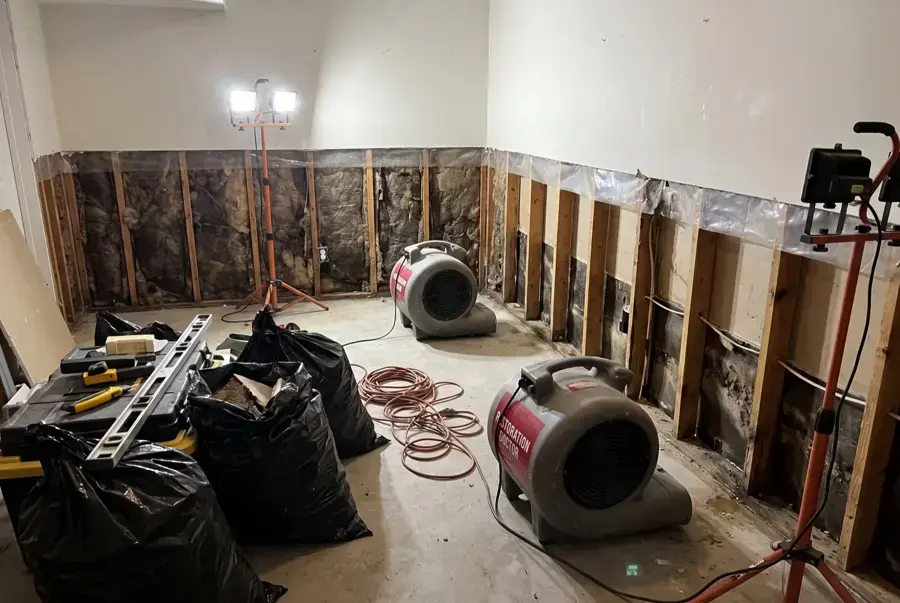
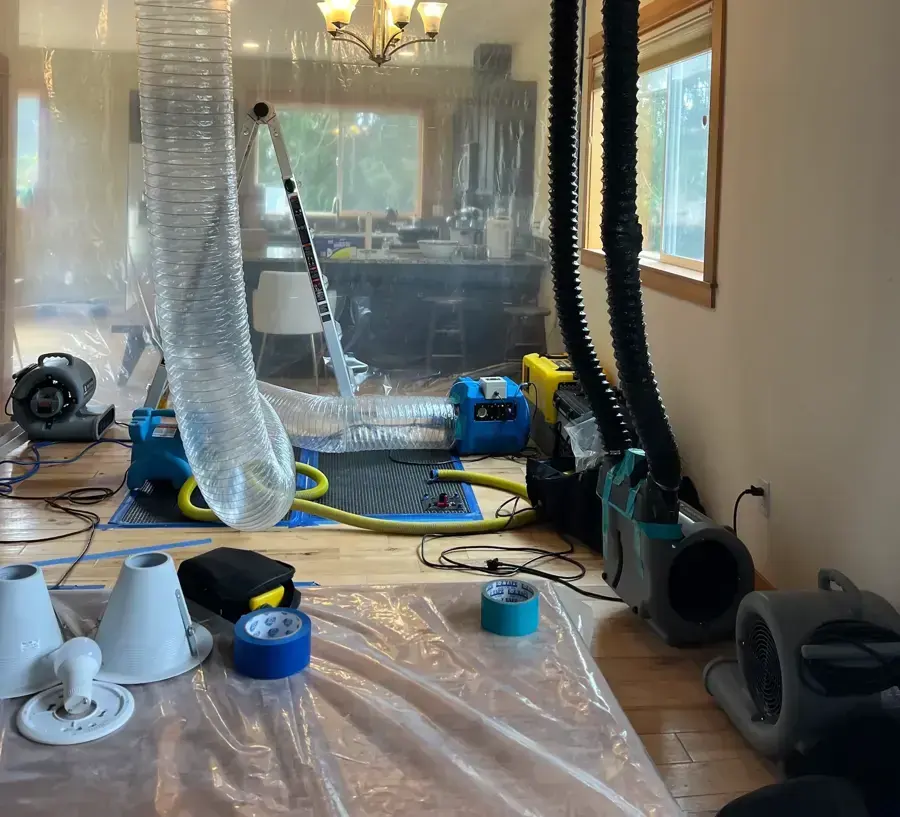
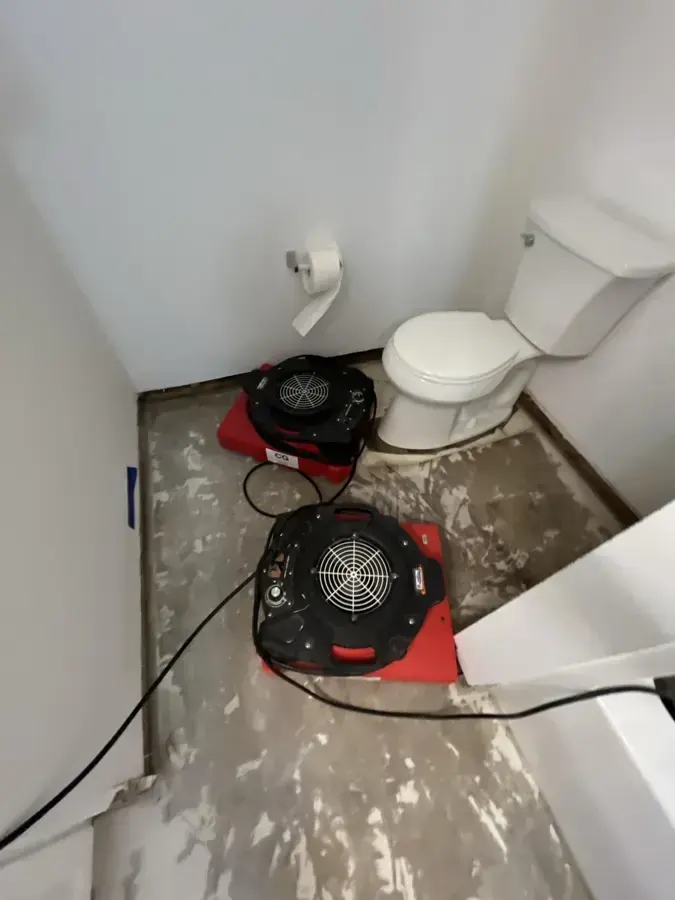
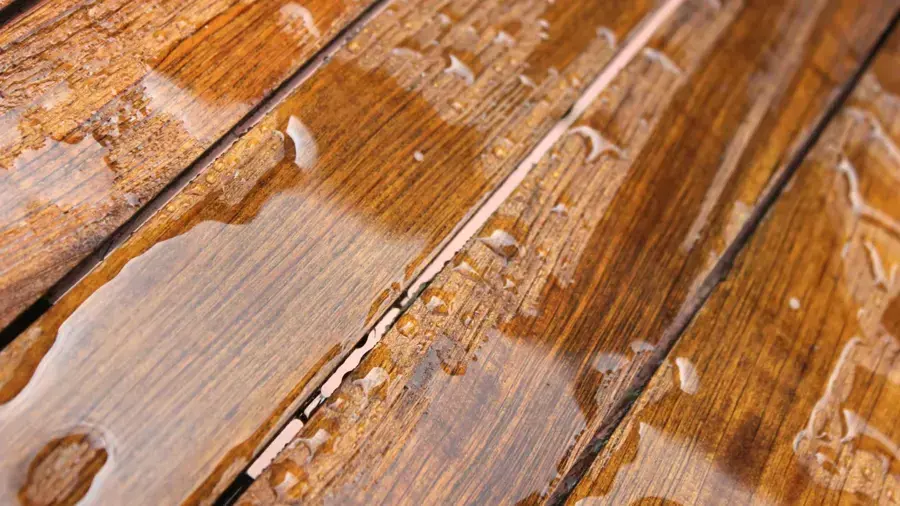
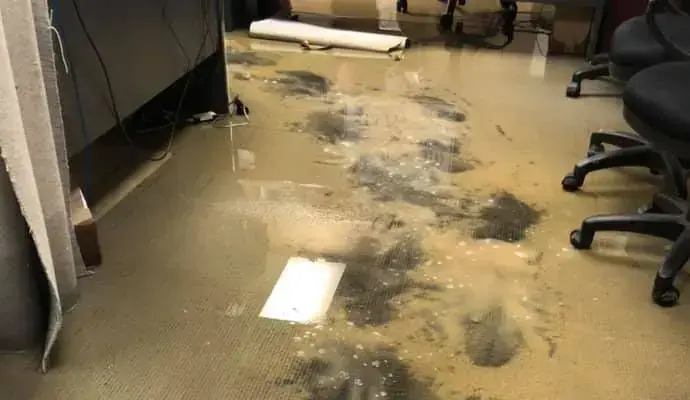
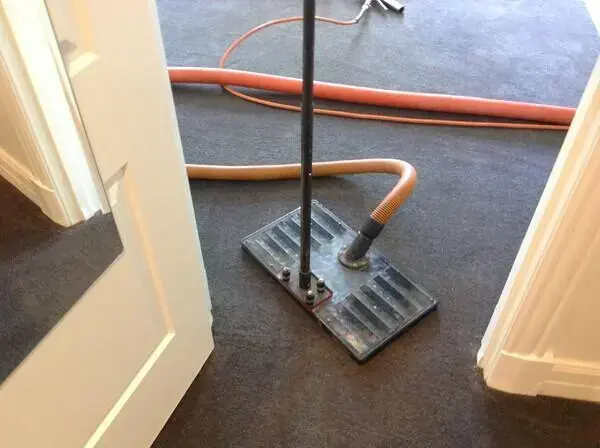
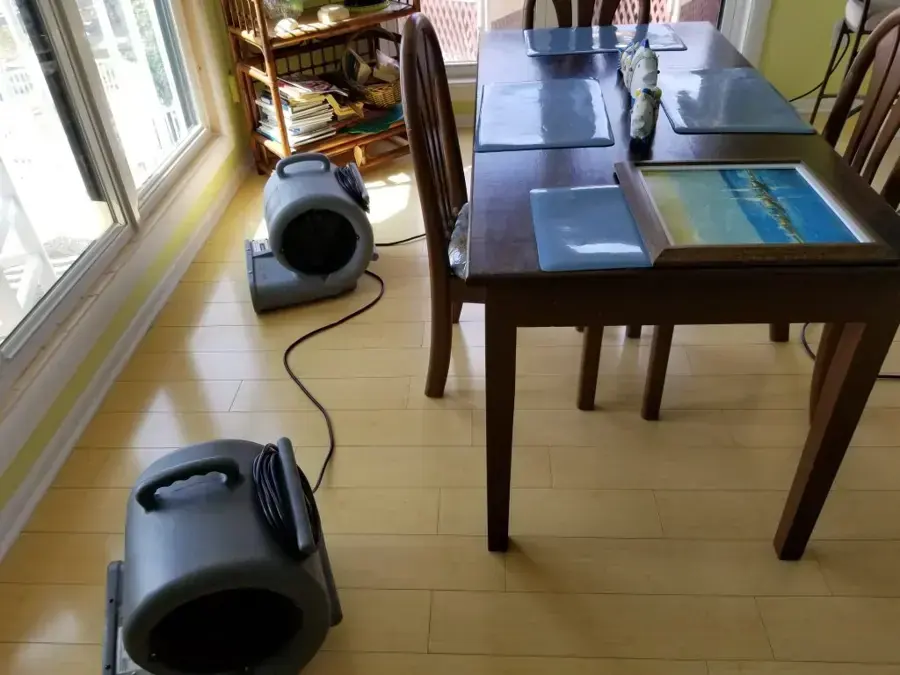
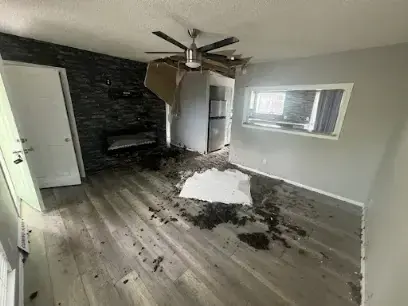
What a water damage dry-out looks like in Wilmington
Areas served
Water damage restoration across Wilmington and the harbor area
Wilmington Water Damage Restoration covers the whole neighborhood, ZIP 90744 and 90748, from Avalon Boulevard and the waterfront to Banning Park and the east side, and out to the harbor communities around it.
- 90744
- 90748
Downtown and Avalon Boulevard · 90744
Avalon Boulevard, Downtown Wilmington, Phineas Banning High School
The waterfront · 90744
Wilmington Waterfront Park, Banning's Landing, Harry Bridges Boulevard
Banning Park and Drum Barracks · 90744
Banning House Museum, Drum Barracks, Pacific Coast Highway
The west side · 90744
Los Angeles Harbor College, Figueroa Street, Harbor Freeway
The east side · 90744
Alameda Street, Anaheim Street, Terminal Island Freeway
Nearby harbor communities
Harbor City, San Pedro, Carson, Lomita, West Carson, Harbor Gateway, Long Beach and Torrance

Local conditions
Water damage in Wilmington, CA: the local risk profile
Wilmington is an older Los Angeles harbor neighborhood on low, flat ground, and its housing and plumbing shape how water gets in.
- Much of the housing dates from the 1920s through the 1960s: raised-floor bungalows, postwar slab homes and apartment buildings.
- Galvanized supply pipe in prewar homes rusts from the inside, and copper under postwar slabs wears pinhole leaks.
- Clay and cast iron sewer laterals crack and take in roots, so a blockage pushes sewage up at a tub, shower or floor drain.
- Most of the year's rain falls in a few winter storms; the January 2023 and February 2024 atmospheric rivers flooded streets across Los Angeles County.
- The ground is low and flat: oil production from the Wilmington Oil Field sank parts of the harbor area by up to 29 feet before water injection stopped it in the 1960s.
Common questions
Questions Wilmington homeowners ask about water damage
How fast can a restoration crew start in Wilmington?
Dispatch runs 24/7, and the response team treats active water in Wilmington as urgent at any hour. Water keeps soaking into pad, drywall and framing while it sits, so getting extraction started matters more than any repair.
What should I do first while the water is still spreading?
If it is safe, shut the main valve, switch off power to the wet rooms at a dry breaker panel and keep clear of standing water near outlets. Photograph the damage, lift rugs and boxes off the wet floor, then call.
Does homeowners insurance cover water damage in California?
Sudden and accidental water, like a burst supply pipe or a failed water heater, is often covered after the deductible. Rising outside water usually needs separate flood coverage, and sewer backup often needs its own endorsement. Coverage depends on your policy, so check the details with your own insurer.
What causes most water damage in Wilmington homes?
The usual sources are rusted galvanized supply pipe, pinhole leaks in copper under slabs, sewer laterals blocked by roots, worn-out water heaters, washer and supply hoses, and roofs or low lots that take water in the first big winter storm.
How do I know if I have a slab leak?
Common signs are a warm spot on the floor, damp carpet with no visible source, the sound of running water with every tap closed and a water meter that keeps moving. A leak detection plumber confirms it, and the restoration team then handles the slab leak water damage by drying the slab and the wall bottoms.
How long does it take to dry a house after water damage?
Most contained Class 1 losses dry in three to five days. Hardwood, plaster and a wet concrete slab take longer. The drying team does not pick a date; it compares daily readings with a dry reference material and removes equipment when the wet materials come within 2 to 4 points of it.
What is the IICRC S500 standard?
S500 is the IICRC's published standard for water damage restoration. It sets how a loss is sorted by water category and drying class, how the drying is planned and checked, and which materials get removed rather than dried.
When does drywall have to come out?
The restoration team removes drywall that Category 3 water reached, drywall that sags or crumbles, and walls hiding soaked insulation. Drywall wet by clean water and caught early is often dried in place, with small holes drilled low in the wall to move air through the cavity.
Why is sewage or storm water handled differently?
Sewage and outside floodwater carry bacteria from the start, so the IICRC treats them as Category 3. The mitigation team cuts out the carpet, pad and lower drywall they touched, cleans hard surfaces with an EPA-registered antimicrobial and only then starts drying.
What is the difference between mitigation and repair?
Mitigation is the emergency phase: extraction, removal of ruined materials and drying. Repair, meaning new drywall, paint and flooring, is a separate phase that starts once the readings say the structure is dry.
How is the cost of water damage restoration worked out?
The main drivers are the water category, the square footage that got wet, the material class and how fast drying started. Most Wilmington losses fall between $1,400 and $10,000, and the water damage cost calculator gives a closer planning range.
Emergency dispatch, Wilmington, CA
Is water moving through your Wilmington home right now?
Standing water reaches pad, baseboards and drywall within hours. The Wilmington restoration crew extracts, dries and documents the loss anywhere in the harbor area.