Long Beach water damage experts
Water Damage Restoration Long Beach, CA
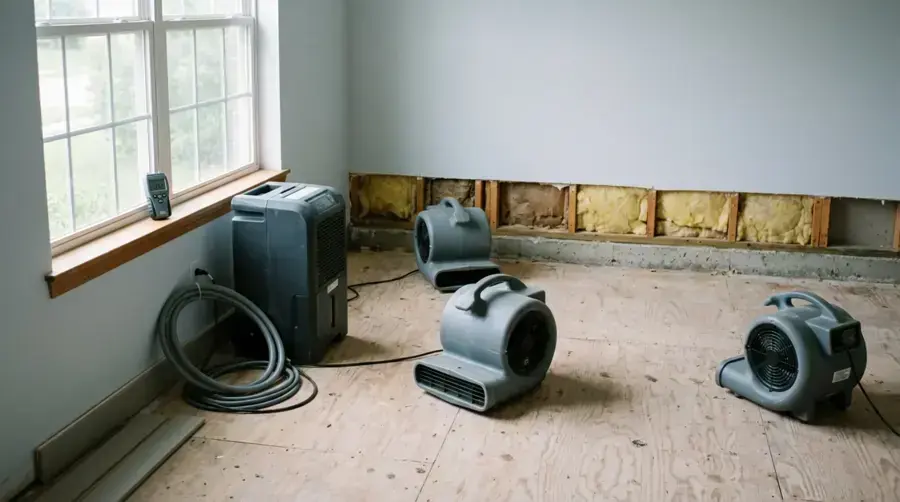
Burst pipes, overflowing washers and winter storms send water into Long Beach homes and shops every year. The restoration team pumps out the water, opens wet walls and dries the building until the readings show every surface is dry.
(888) 563-9619Start your Long Beach water cleanup- Truck-mounted extraction
- Wet walls opened and dried
- Daily moisture readings
While you wait
Four moves that limit water damage at home
- 1
Shut off the water
Close the fixture valve or the main shutoff, then cut power to any wet room before stepping into standing water.
- 2
Lift and protect
Raise small items off wet floors, pull rugs aside and put blocks under furniture legs so stains do not set.
- 3
Photograph everything
Take wide and close photos of the source, the water and soaked belongings before cleanup begins, because adjusters ask for them.
- 4
Call the restoration team
Describe the source and how far the water spread so the right pumps and dryers are loaded for the visit.
Services in Long Beach
Water damage help for every kind of loss
Long Beach mixes older apartments, single-family homes, shops and port and industrial buildings, and water behaves differently in each. The twelve services below cover every common source, from a failed supply hose to a storm surge, with logged drying behind all of them.
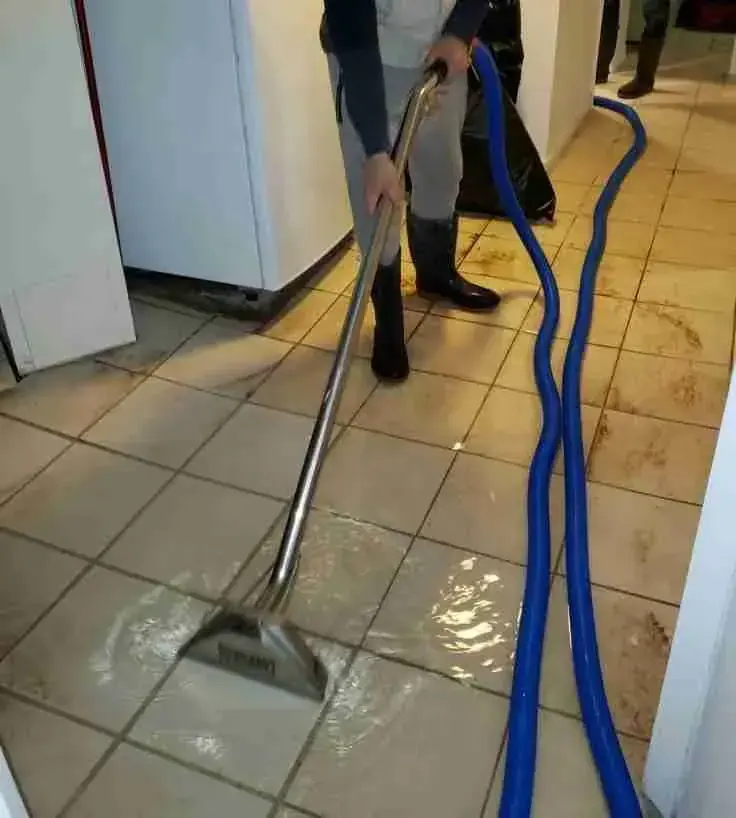 Water Extraction and RemovalPumps and wands pull standing water from carpet, hardwood and tile before it spreads.See the details
 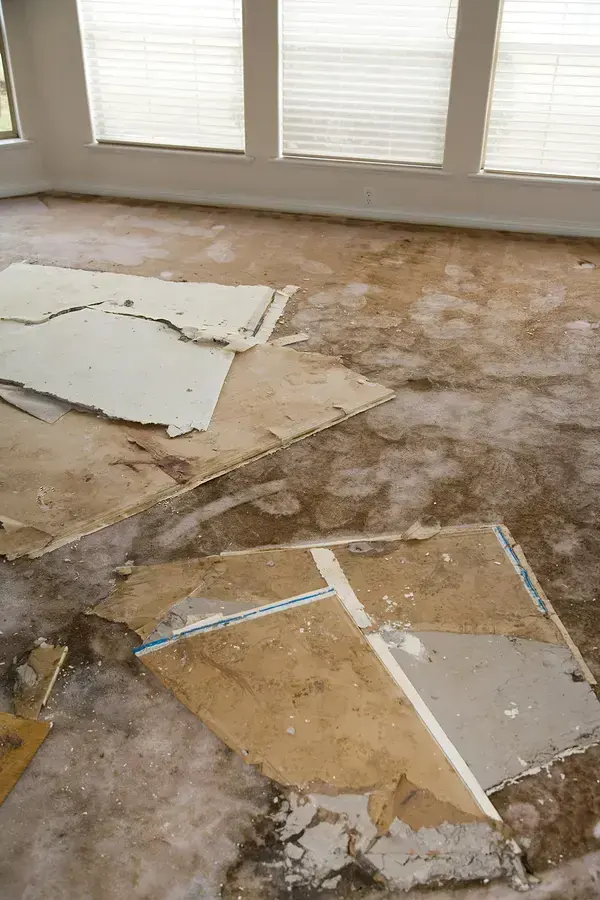 Slab Leak Water DamageHidden leaks under flooring are mapped, then the wet slab and wall bottoms are dried.See the details
  Burst Pipe Water DamageSplit pipes soak walls and ceilings fast, so wet cavities are opened and dried.See the details
 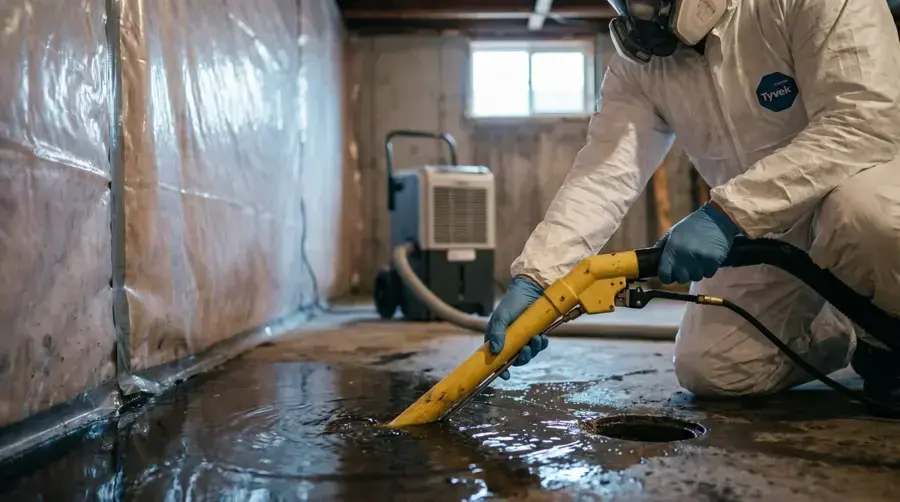 Sewage Backup CleanupSewage backups are contained, removed and disinfected with protective gear and HEPA air scrubbing.See the details
 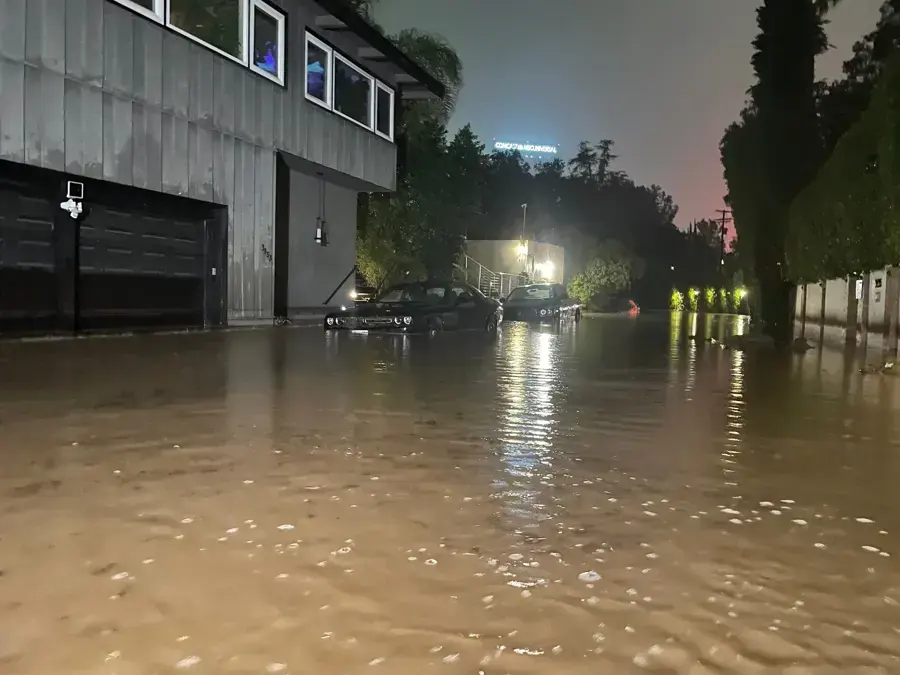 Storm and Flash Flood CleanupStorm and tide flooding is pumped out, then wet drywall and flooring come out.See the details
 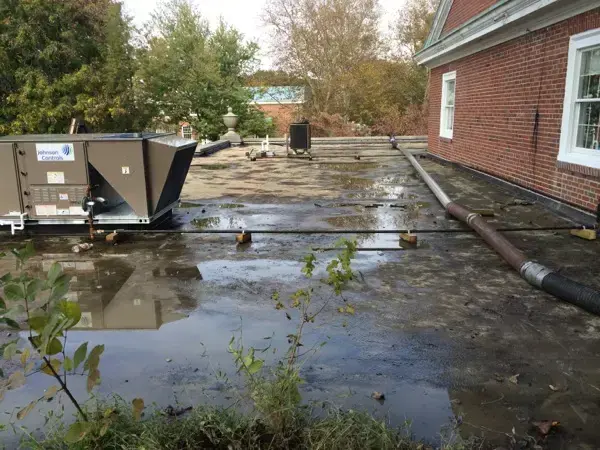 Roof Leak Water DamageRoof leaks are traced through the attic, then wet insulation and ceilings are dried.See the details
 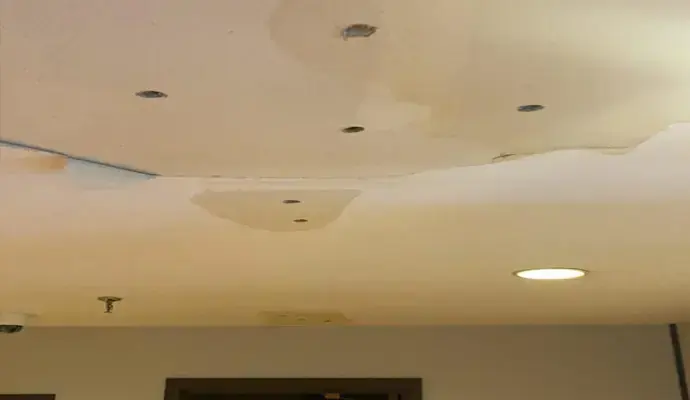 Ceiling Leak Water DamageStained or sagging ceilings are opened and dried, including leaks from the unit above.See the details
 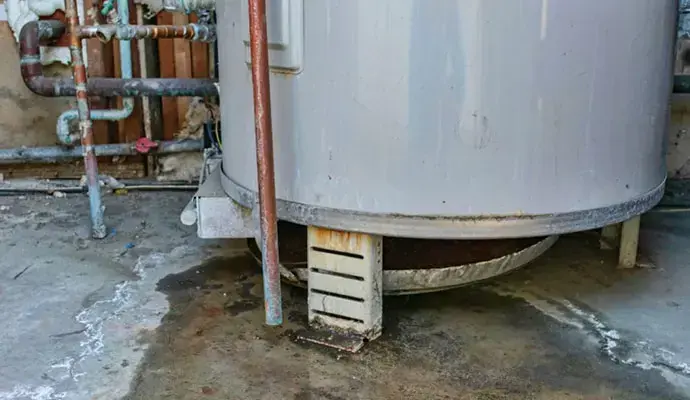 Water Heater Leak CleanupFailed tanks flood closets and garages, so wet floors and drywall get dried.See the details
 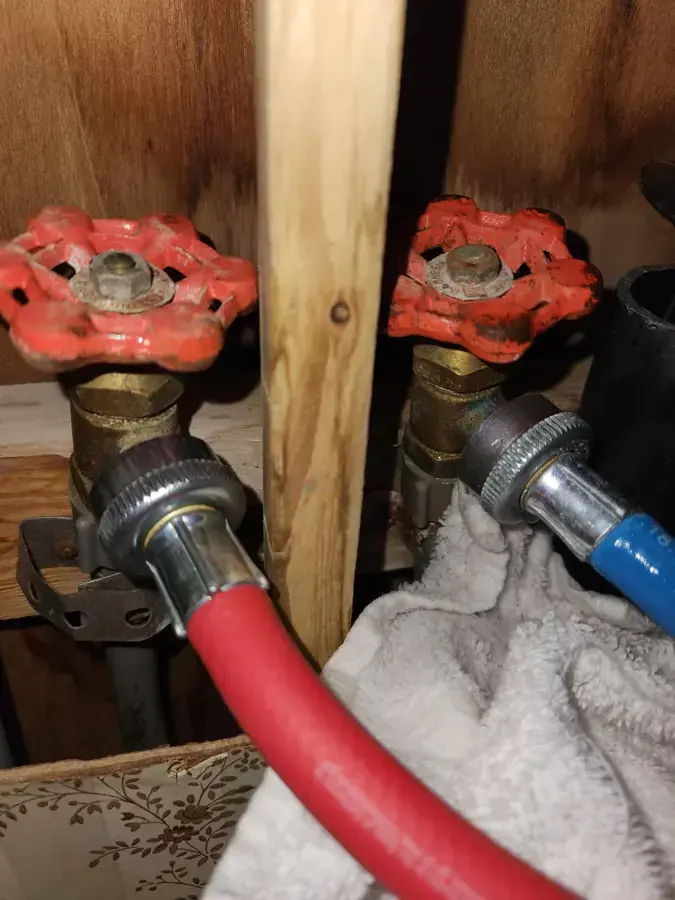 Appliance and Supply Hose LeaksWasher, dishwasher and fridge leaks are dried from the toe kicks outward.See the details
 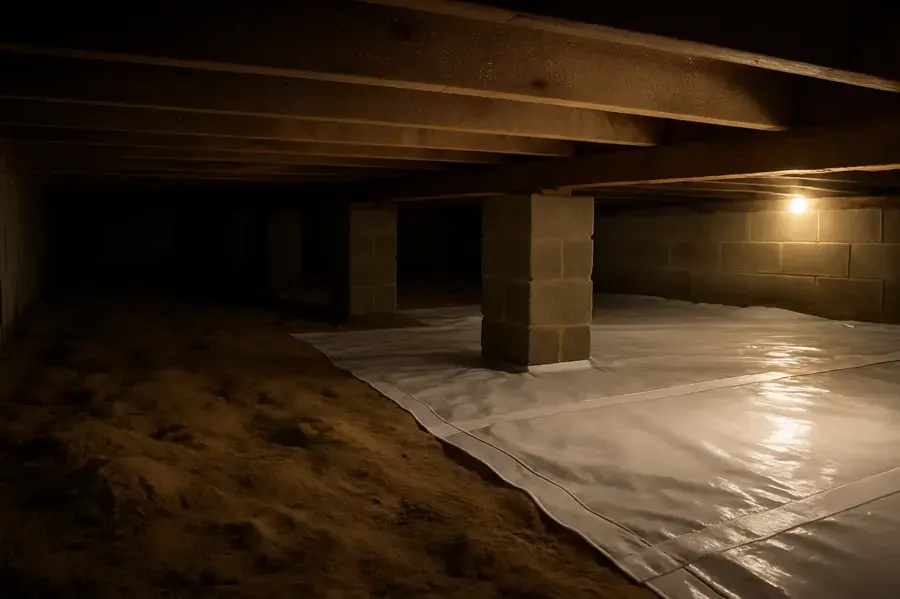 Crawl Space Water RemovalStanding water under a raised floor is pumped out and the joists and subfloor are dried.See the details
 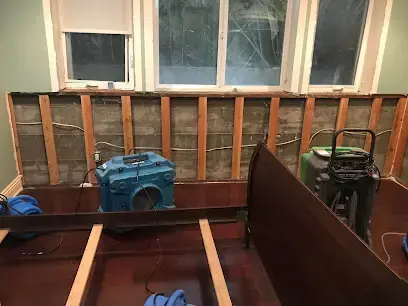 Structural Drying and DehumidificationAir movers and dehumidifiers dry framing and subfloors until readings reach a dry standard.See the details
 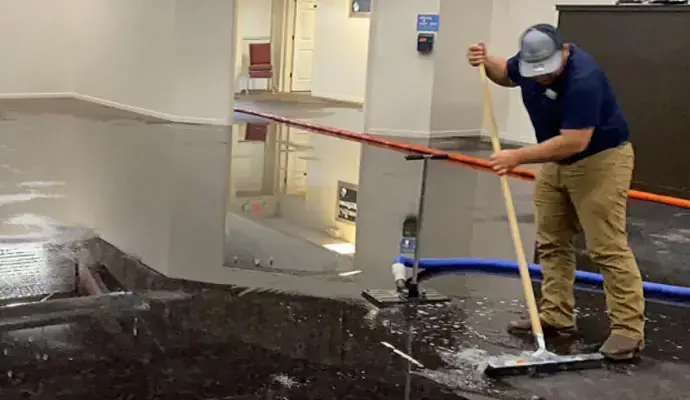 Commercial Water DamageShops, offices, restaurants and warehouses get phased drying plans that limit downtime.See the details
 Why Long Beach owners call
A crew that knows Long Beach buildings
Long Beach spans coastal homes, older rentals and port industry, so one drying plan never fits every job. The crew sizes equipment to the building, the water category and the way the water entered.
Round the clock response
Burst pipes and storm surges do not wait for business hours, so the response team stays reachable day and night.
Written moisture records
Every visit adds readings to a log, so adjusters and landlords can see what was wet and when it dried.
Claim-ready photos and notes
Photos, moisture maps and equipment records are organized for insurance, a landlord or a building manager.
Local water knowledge
From Peninsula tide surges to Bixby Hill main breaks, the crew plans for how Long Beach water enters buildings.
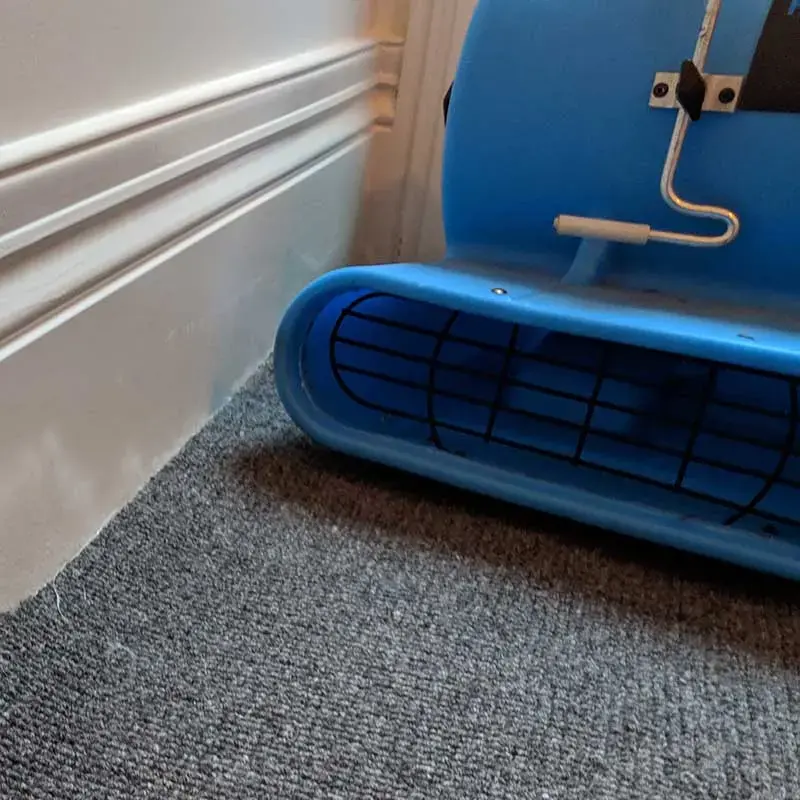
How a dry-out works
Drying that follows the IICRC S500 standard
Every step of structural drying is measured, not guessed. Meters and daily readings show when wood, drywall and concrete are dry.
- 1
Moisture mapping
A meter and a thermal camera trace the wet area across floors, walls and ceilings and mark its edges for the record.
- 2
Extraction
Pumps and wands remove standing water first, because every gallon left behind has to be dried the slow way.
- 3
Controlled airflow
Air movers and dehumidifiers are placed from the readings, with wet materials removed where drying in place would fail.
- 4
Readings until dry
Moisture is logged at every visit, and equipment stays until each material matches its dry reference. Only then does the job close.
- Daily moisture logs
- Thermal camera checks
- HEPA air scrubbers
- Dry reference targets
Coastal storms and king tides
When Long Beach water rises fast
Long Beach averages 12.02 inches of rain a year, and about 81 percent of it falls from December to March. In February 2024, two storms over about a week brought nearly 10 inches, which tests every roof, gutter and drain left unchecked after a dry summer.
(888) 563-9619Flooded in Long Beach? Call the crew- King tides in August 2026 flooded parts of Long Beach, with water reaching Bay Shore Avenue.
- Swells from Tropical Storm Marie in early September 2026 sent water and sand into Peninsula streets and homes.
- About 20 homes directly on the seawall received evacuation notices during the same storm.
What jobs usually cost
How much does water damage cleanup cost in Long Beach?
Water damage cleanup in Long Beach typically runs from $1,400 for a small clean-water loss to $10,000 or more for sewage or whole-floor flooding. Room count, water category and equipment days set the final price.
Small clean water loss
$1,400 to $3,200
- One room extracted
- Air movers and dehumidifier
- Readings until dry
Several rooms affected
$3,200 to $6,500
- Wet pad and drywall removed
- Walls checked for moisture
- Longer equipment runs
Whole floor or sewage
$6,500 to $10,000+
- Containment and cleaning
- Contents sorted and moved
- Drying across the structure
These ranges are typical. The written scope after the walkthrough sets the real price for each job.
Know the water type
Clean, gray or black water changes the plan
Category 1, clean water
A failed supply pipe or hose releases clean water, which degrades if it sits on materials.
See burst pipe cleanupCategory 2, gray water
Dishwasher, washer and drain overflows carry soap and soil, so porous materials usually come out.
See appliance leak workCategory 3, black water
Sewage and storm flooding carry bacteria, so carpet, pad and wet drywall are removed and the space is disinfected.
See sewage backup cleanupInsurance
Water damage and your policy
Standard homeowner policies usually respond to sudden events like a burst pipe or a failed hose, but they do not cover flood losses. Long Beach takes part in the National Flood Insurance Program, where flood coverage is a separate policy.
The crew documents the loss and the drying, but policy language and claim decisions stay between the owner and the insurer.
Gather these before the adjuster visits
- Wide and close photos of every wet surface
- The date and time the leak started
- Receipts for any emergency repairs
- Moisture logs from each drying visit
- A list of damaged belongings
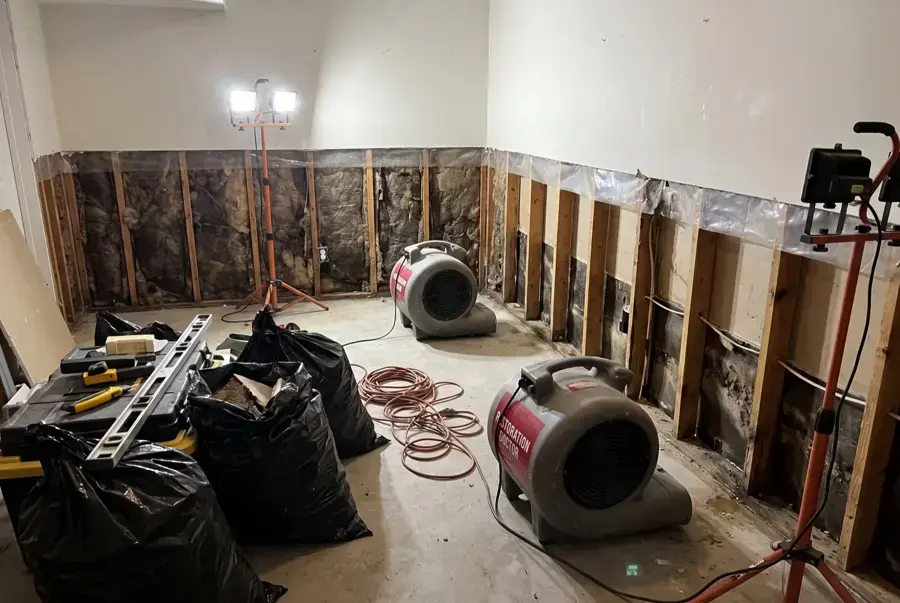
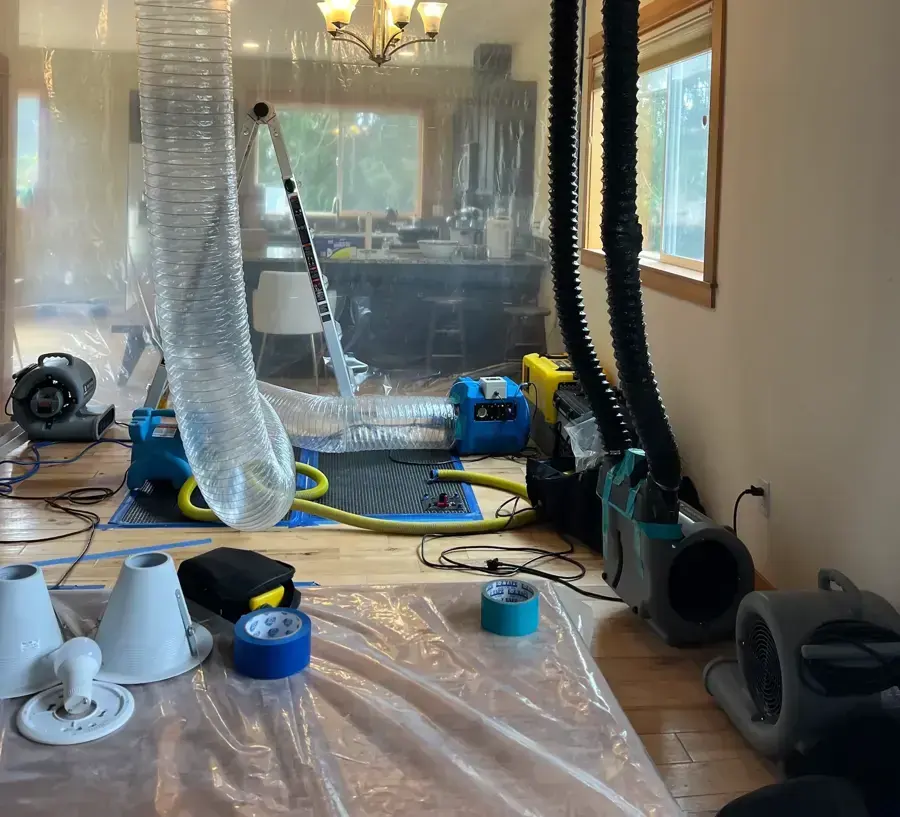
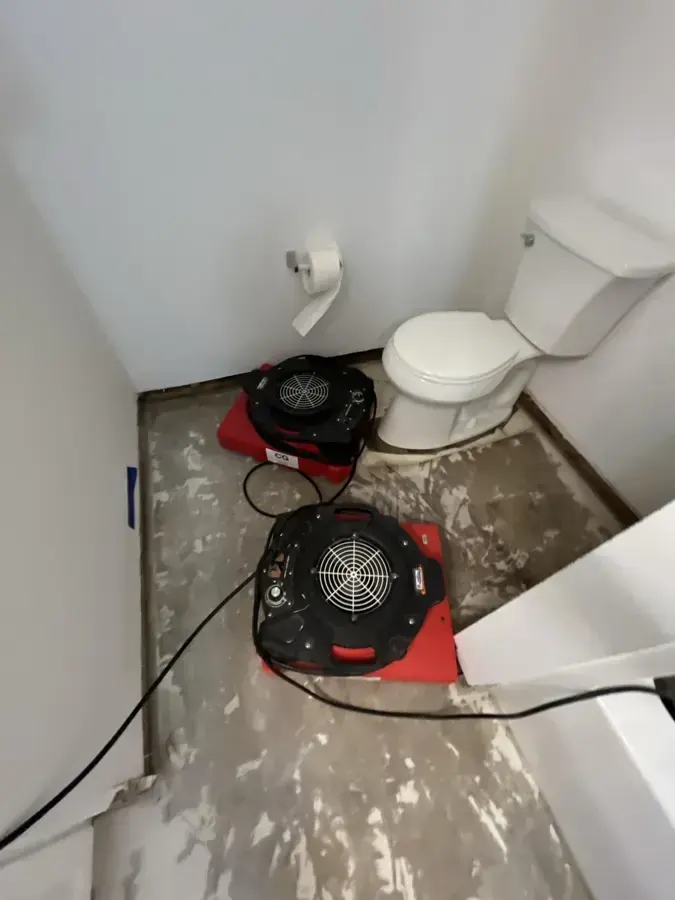
Job photos
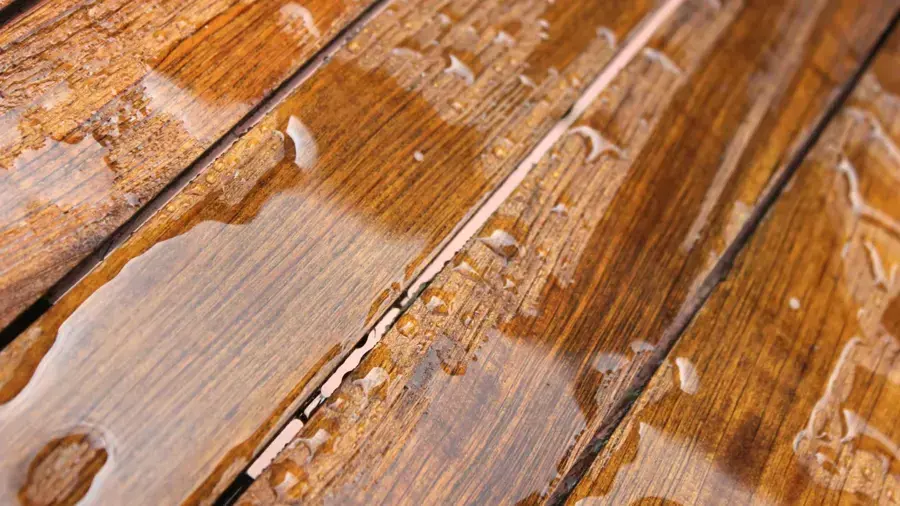
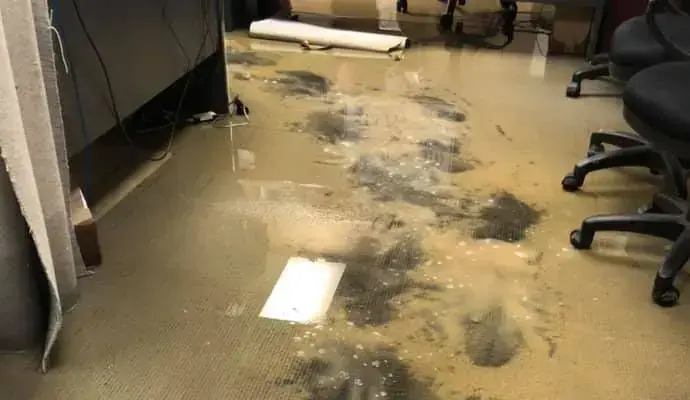
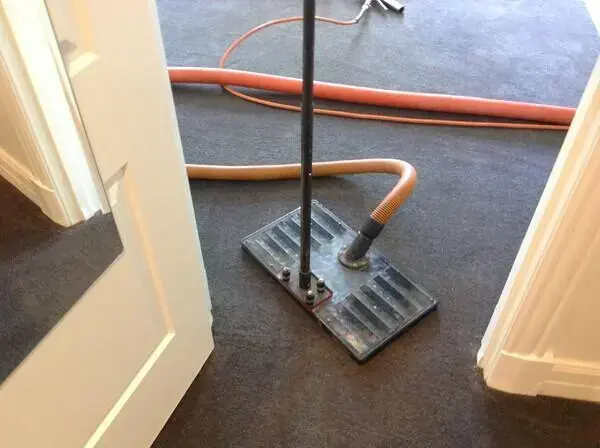
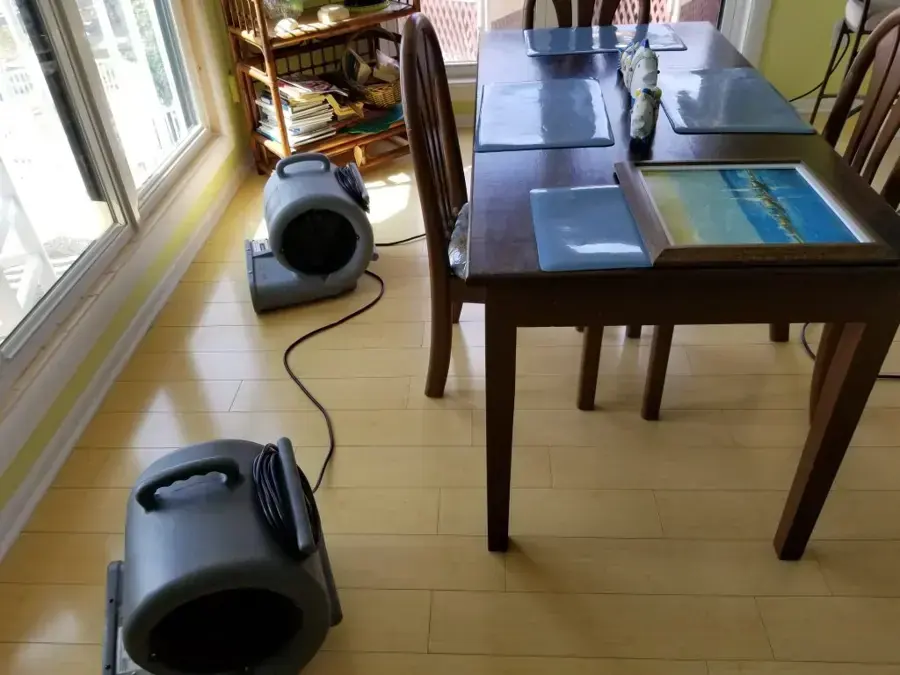
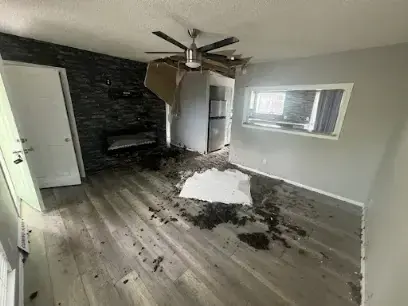
Inside typical Long Beach water damage jobs
Areas covered
Water damage restoration across all of Long Beach
The crew covers every Long Beach neighborhood, from Downtown and the harbor to Belmont Shore, Bixby Knolls, Los Cerritos and North Long Beach, in homes, apartments and commercial buildings.
- 90802
- 90803
- 90806
- 90807
Downtown and the waterfront
Downtown Long Beach, East Village, Rainbow Harbor and Marina, Pine Avenue
Belmont Shore and the bay
Belmont Shore, Naples, Peninsula, Alamitos Bay
Bixby Knolls and Los Cerritos
Bixby Knolls, Los Cerritos, California Heights, Bixby Hill
Wrigley and Rose Park
Wrigley, Rose Park, Willmore, Belmont Heights
North Long Beach and the Eastside
North Long Beach, Eastside, Los Altos, Long Beach Towne Center
Neighboring communities

Long Beach risks
What puts Long Beach buildings at risk of water damage
Tides, storms, aging buildings and the city's own water system each leave a mark on how water damage shows up here.
- Alamitos Bay, the Peninsula and the canals of Naples keep water close to nearby homes, so tides and storm surge matter there.
- The October 2024 main break in California Heights and the February 2025 break in Bixby Hill, which flooded homes and garages, show how trouble starts in the street.
- Most rain falls from December to March after a usually rainless summer, so a weak roof or drain shows itself when the first big storm hits.
- A 2019 city report says most housing is more than 30 years old, and about 60 percent of residents rent, so one leak can reach several units.
- Long Beach Utilities rules put the building sewer to the property boundary on the owner, and low fixtures that could overflow need an approved backwater trap or sewer valve.
Common questions
Long Beach water damage questions answered
How do I know if my Long Beach home is in a flood zone?
The city's flood information shows the 100-year floodplain from FEMA's adopted Flood Insurance Rate Maps and says some areas of Long Beach could flood in a major rainstorm. In a flood zone, National Flood Insurance Program rules require a building to meet new-building requirements once repairs equal or exceed 50 percent of market value.
Who is responsible for a sewer backup, the owner or the city?
Long Beach Utilities maintains the sewer main. The owner is responsible for the building sewer from the building to the property boundary, and the section under city property is shared, with the owner handling routine maintenance of both sections.
What does Long Beach Utilities ask before it investigates a backup?
The utility will not investigate a suspected problem in the city's part of the sewer connection until the owner has completed an initial inspection and had the lateral cleared and drained. It also encourages a plumber's video of the pipe.
Does a backwater valve matter for a Long Beach property?
Long Beach Utilities rules call for an approved backwater trap or sewer valve on a fixture low enough to overflow when the main sewer backs up, as judged by the city's building department. Low drains in bathrooms and garages are the usual concern.
When do roof and ceiling leaks peak in Long Beach?
Rain is concentrated from December to March, and about 81 percent of the 12.02 inches in a typical year falls in those months. After a dry summer, the first heavy storm often exposes weak flashing, clogged gutters and aging ceilings, which is when roof leak damage calls start.
Why does drying take longer on humid summer mornings?
Low clouds and fog are frequent on Long Beach summer mornings, and heat and high humidity can occur together. Damp air slows evaporation, so dehumidifiers do most of the work while air movers keep moisture lifting off wet surfaces.
Can the team handle leaks in apartments and rentals?
Yes. About 60 percent of Long Beach residents rent, and only about 42 percent of the housing stock is single-family detached, so water often crosses shared walls. The team documents each affected unit and the source for tenants, landlords and adjusters.
What happens after a water main breaks near a home?
The water utility handles the street, and the restoration team handles the water that enters the building through water extraction. In February 2025, a break in Bixby Hill flooded homes and garages along Surrey Drive, the kind of loss that needs extraction and drying.
How is tide or storm surge flooding handled differently?
Water pushed in by tides or storm surge carries debris and bacteria from streets and the bay, so it is handled as Category 3. Porous materials such as carpet, pad and wet drywall are removed and the space is disinfected before drying.
How does the team prove the structure is dry?
Meters and a thermal camera record wet areas at the first visit, then readings are logged each visit until wood, drywall and concrete reach dry reference points. Equipment comes out only after those numbers match, and the log goes to the owner and the adjuster.
Does the team handle commercial water damage too?
Yes. Long Beach has the Port of Long Beach, the Magnolia Industrial Group district, business corridors such as Belmont Shore, Bixby Knolls and Zaferia, schools and two public colleges, so commercial water damage ranges from warehouses to restaurants and campuses. Phased drying keeps unaffected areas working.
Emergency dispatch, Long Beach, CA
Dry out your Long Beach property before damage sets in
Call the restoration team when pipes fail, [drains back up](/long-beach-ca/sewage-backup-cleanup) or [storms flood a floor](/long-beach-ca/storm-flood-cleanup), and the crew will map the damage and set up drying.