Signal Hill water damage pros
Water Damage Restoration Signal Hill, CA
Signal Hill, a hillside city of 11,848 residents surrounded entirely by Long Beach, sees water losses from winter roof leaks, ceiling drips in condos, supply hose floods and burst pipes. The restoration team extracts the water and dries what is left.
(888) 563-9619Call a Signal Hill water damage pro- Truck-mounted extraction
- Houses, condos and townhomes
- Readings logged each day
Before help arrives
Four moves that keep a leak from spreading
- 1
Stop the source
Close the fixture valve or the main shutoff, then open a low faucet so the pipe drains.
- 2
Power down and lift
Switch off breakers feeding wet rooms, stay clear of standing water near outlets, and raise small items and rugs onto dry surfaces.
- 3
Warn the unit below
In a condo, townhome or apartment, tell the manager and the neighbors underneath, because water follows ceilings and wall cavities.
- 4
Photograph before cleanup
Take wide and close photos of the source and every wet surface before anything is moved, so adjusters can see the original damage.
What the crews handle
Services for every kind of water loss
Signal Hill mixes detached houses with condos, townhomes and apartment buildings, and a water loss behaves differently depending on its source and the structure around it. The crews match the equipment, the drying plan and the cleaning method to the water category involved.
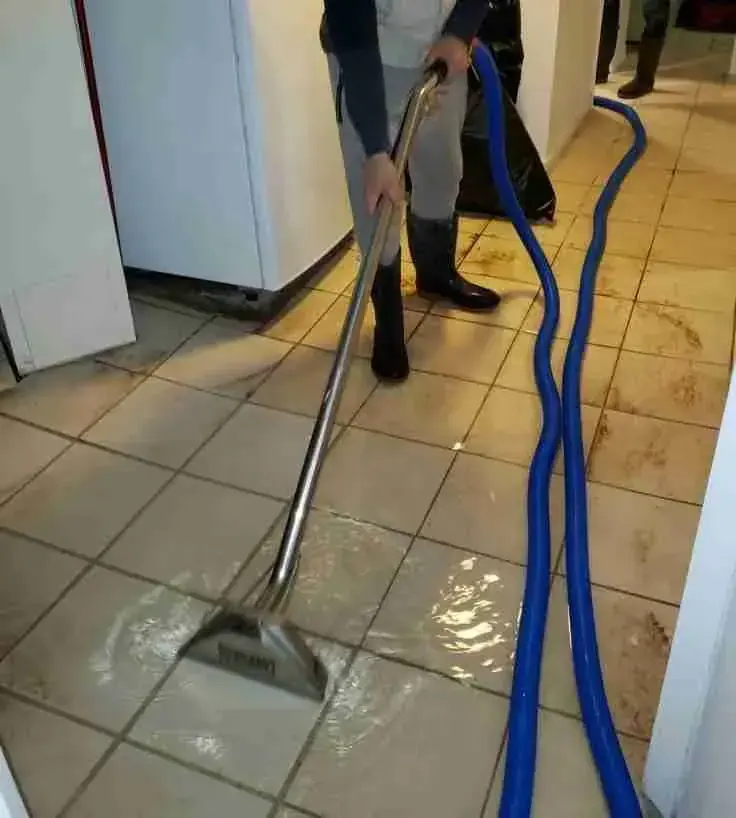 Water Extraction and RemovalTruck-mounted pumps lift standing water off floors before it wicks into walls.See the details
 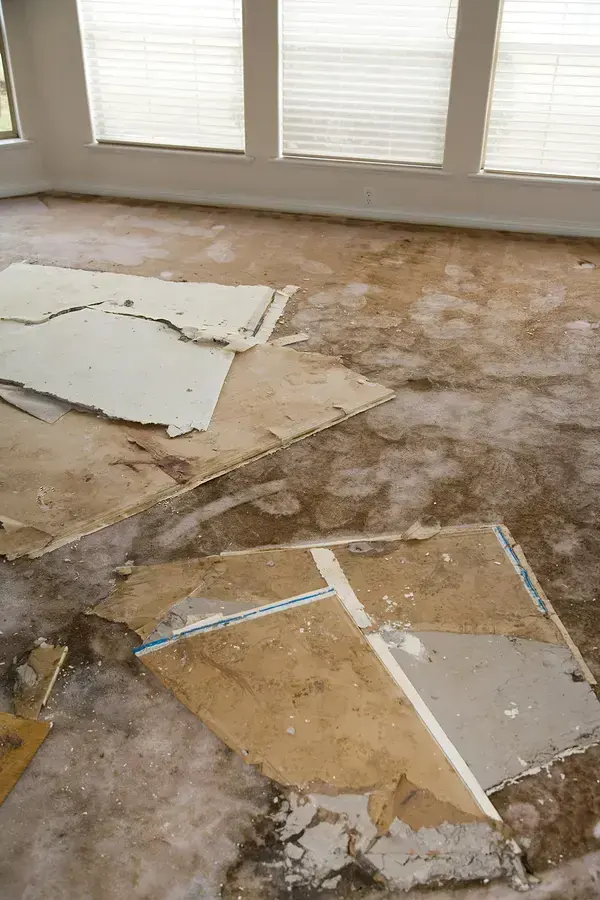 Slab Leak Water DamageSlab moisture mapping finds the buried supply pipe that is wetting floors from below.See the details
  Burst Pipe Water DamageOpened walls, wet insulation removed and cavities dried after a pipe splits.See the details
  Sewage Backup CleanupCategory 3 removal, disinfection and containment when sewage backs up through a drain.See the details
 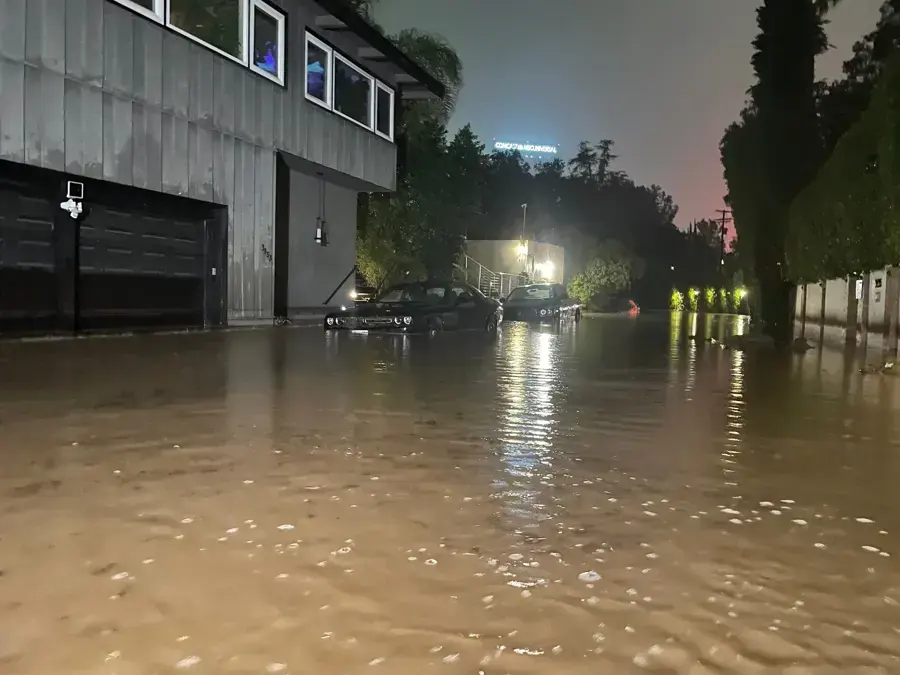 Storm and Flash Flood CleanupPumping and drying for garages and ground rooms after intense winter rain and runoff.See the details
 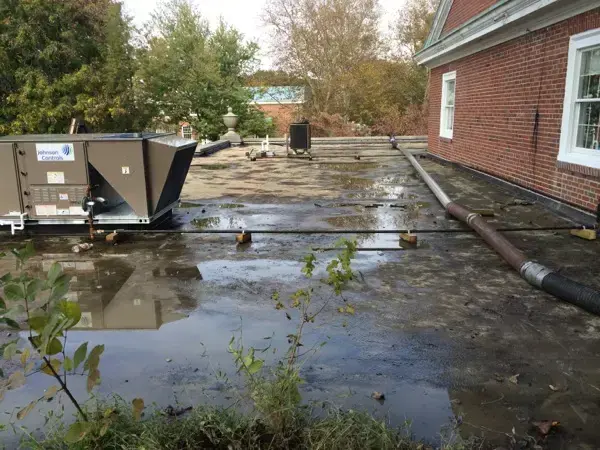 Roof Leak Water DamageAttic checks, insulation removal and ceiling drying after winter rain finds a way in.See the details
 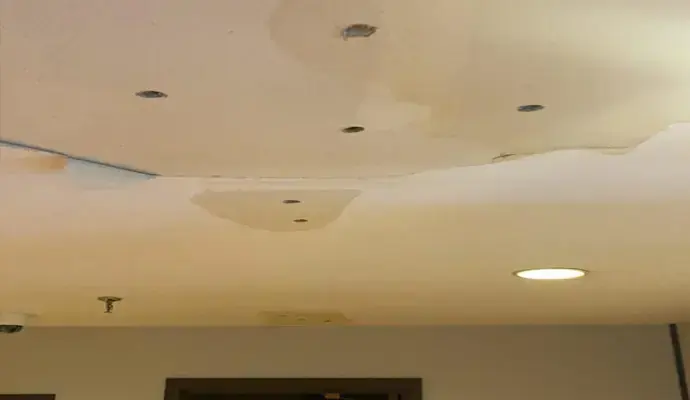 Ceiling Leak Water DamageSource tracing and drying for stained or sagging ceilings, including leaks from above.See the details
 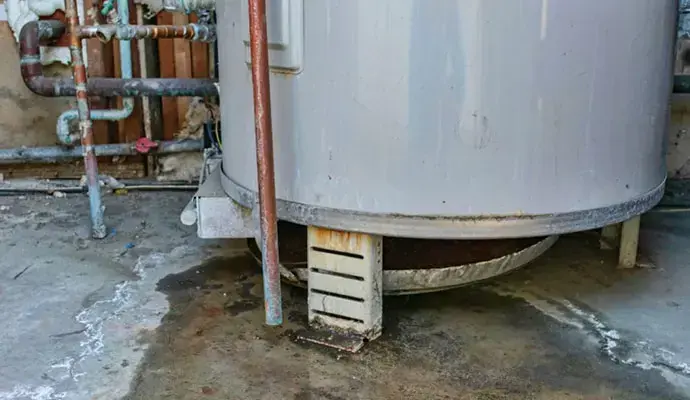 Water Heater Leak CleanupTank failures in closets and garages: extraction, wall checks and drying of nearby rooms.See the details
 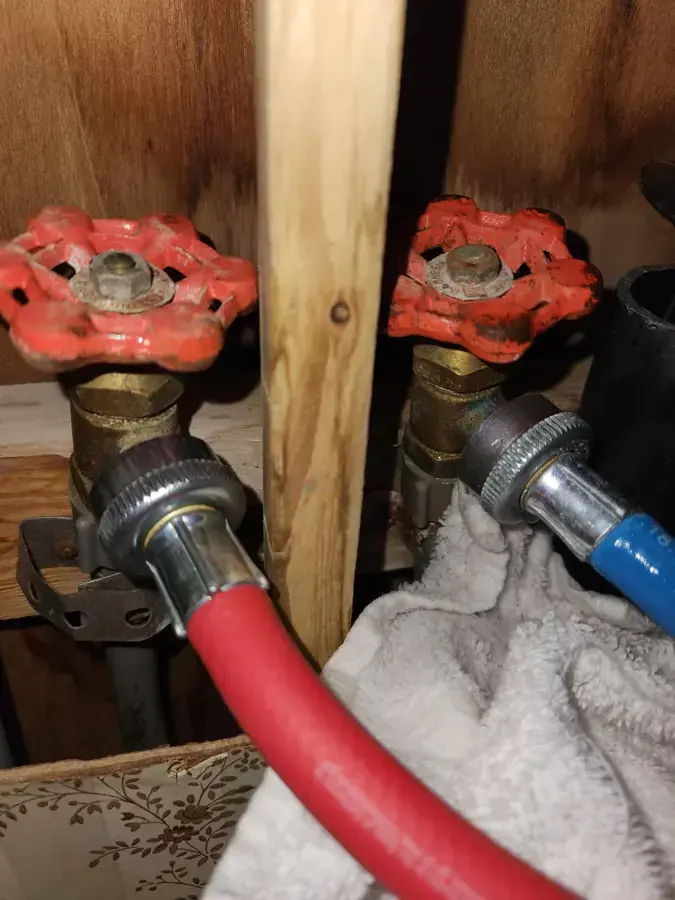 Appliance and Supply Hose LeaksWasher, dishwasher, fridge and supply hose leaks traced, extracted and dried under floors and cabinets.See the details
 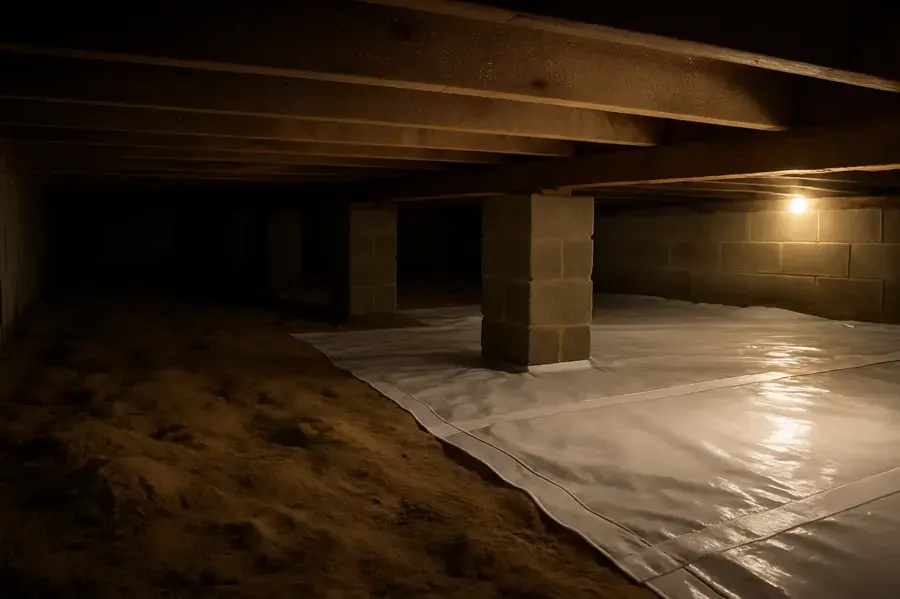 Crawl Space Water RemovalPumping, wet insulation removal and joist drying where water settles beneath a raised floor.See the details
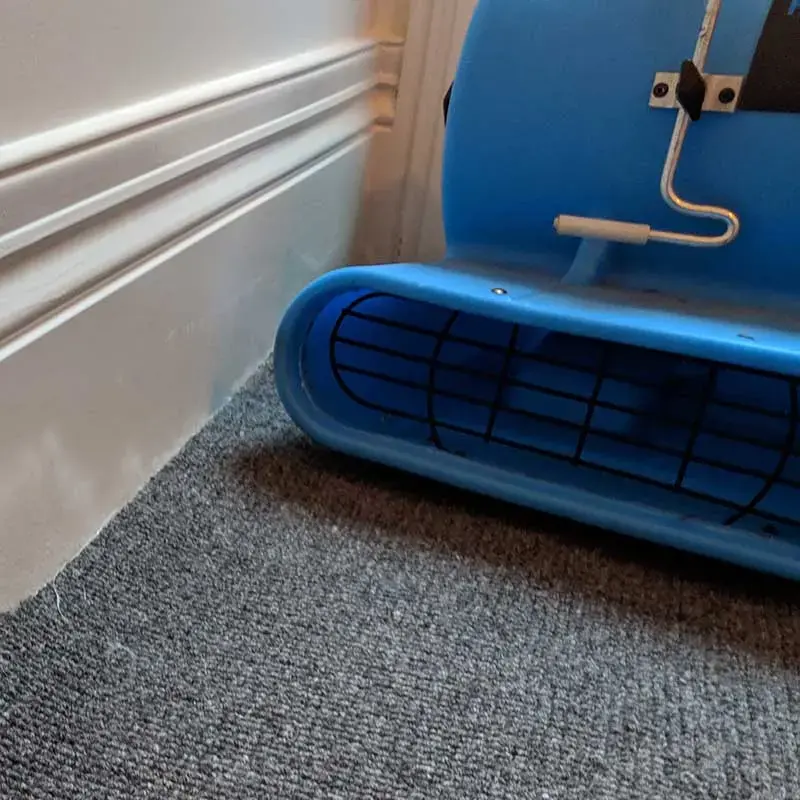
 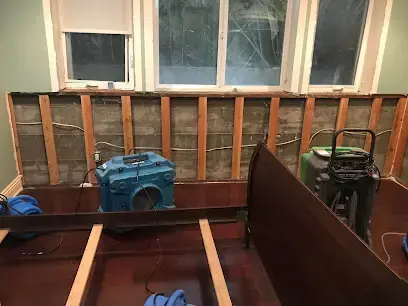 Structural Drying and DehumidificationAir movers, LGR dehumidifiers and daily readings bring wet framing and subfloors to dry standard.See the details
 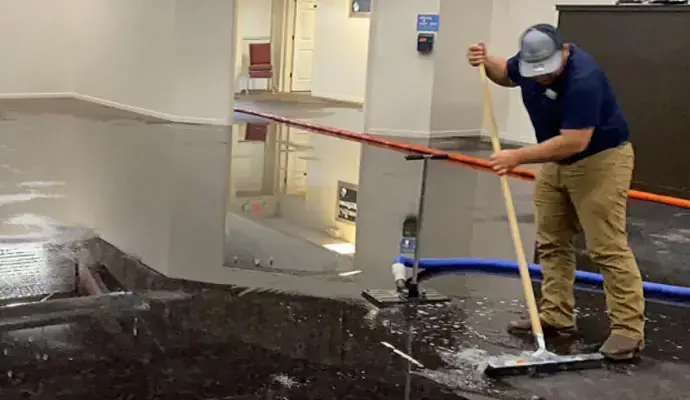 Commercial Water DamagePhased drying for shops, offices and warehouses, planned around a working business.See the details
 Why Signal Hill households call
Local know-how for a hillside city
Water moves differently through a hillside house, a condo stack and a big-box store, so the plan follows the building. The drying team sizes equipment to the loss.
Local response
Crews work across Signal Hill, from the Hilltop Area to the Cherry Avenue corridor.
Equipment sized to the loss
Truck-mounted extraction, air movers and LGR dehumidifiers are matched to the room count and the water category.
Claim-ready records
Moisture readings, photos and equipment logs form a dated file an adjuster can follow from the first reading to dry.
Signal Hill water know-how
Plans account for multi-unit buildings, hillside runoff and the city's own water system instead of one routine for every home.
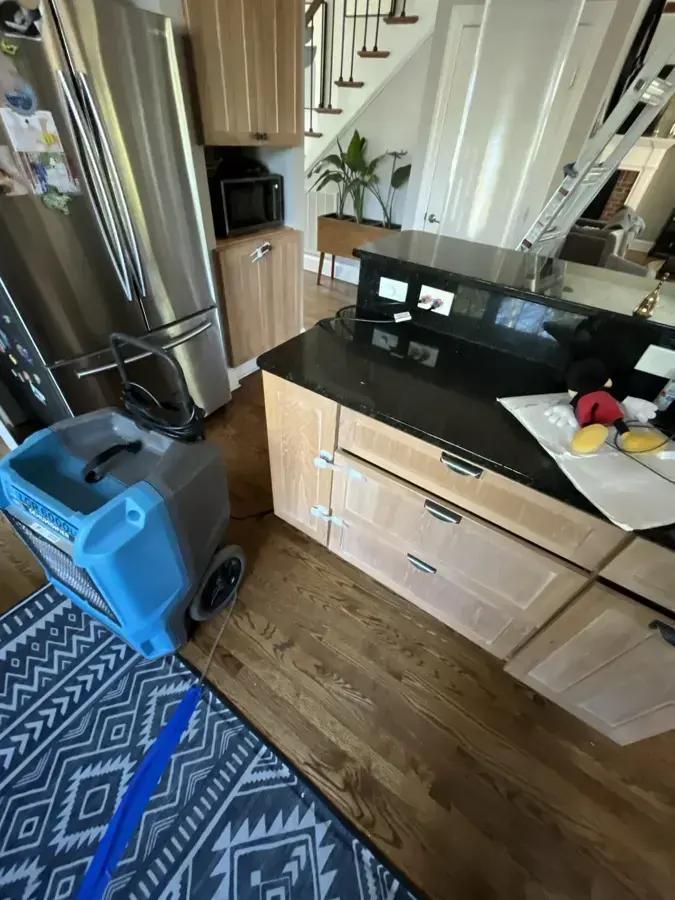
Inside a dry-out
What a proper dry-out looks like, step by step
The IICRC S500 standard sets the drying method, and the team follows it from the first moisture map to the final reading.
- 1
Map the moisture
A meter and thermal camera trace the wet area through floors and walls so equipment goes where the water went.
- 2
Pull the water
Truck-mounted units and weighted wands draw standing water and pad moisture out before drying begins.
- 3
Remove what will not dry
Soaked pad, swollen baseboards and drywall that has wicked water too high come out, with Category 3 materials bagged separately.
- 4
Dry and verify
Air movers and dehumidifiers run while the team logs readings each visit, and equipment leaves only when framing and subfloor meet the dry standard.
- Meter and thermal camera mapping
- Psychrometric readings daily
- Dehumidifiers sized to the room
- Equipment removed at dry standard
Rain, runoff and the hill
When a winter storm reaches the hillside
The city's Safety Element finds no special flood hazard areas, but says infrequent, intense rain can cause minimal flooding, with the greatest potential in localized spots south, southeast and southwest of the Hilltop area. The early February 2024 storm briefly closed Panorama Drive to vehicles. See storm and flash flood cleanup.
(888) 563-9619Signal Hill storm pumping help- Garages and ground rooms where runoff collects get pumped out first.
- Wall bottoms, cabinets and flooring are checked for wicking after wind-driven rain gets past siding, windows or door thresholds.
- Where slope runoff leaves silt or sand behind, it is cleaned out before drying starts, and wet drywall is cut above the waterline.
Typical price ranges
What water damage cleanup costs in Signal Hill
Water damage restoration in Signal Hill typically runs from $1,400 for a contained clean-water job to $10,000 or more when sewage or several rooms are involved. The cost calculator narrows a range for the specific loss.
Single room, clean source
$1,400 to $3,200
- Extraction and pad check
- Air movers and a dehumidifier
- Readings logged each visit
Several rooms or gray water
$3,200 to $6,500
- Wet drywall and pad removed
- Baseboards and cabinets checked
- Daily moisture logs
Sewage or a full floor
$6,500 to $10,000+
- Containment and disinfection
- Wet materials removed and bagged
- Drying until framing reads dry
Ranges are typical, and drying days, the materials involved and building access all move the final price.
Water categories
Three kinds of water, three different jobs
Clean supply water
Category 1 water from a split pipe or failed supply hose dries most easily when caught early.
Burst pipe water damageGray appliance water
Category 2 water from washer or dishwasher discharge carries contaminants, so soaked pad and wall bottoms often come out.
Appliance and hose leaksBlack water
Category 3 water from sewage or storm runoff is heavily contaminated, so porous materials are removed.
Sewage backup cleanupInsurance
Documenting a loss for the adjuster
A claim goes more smoothly when the paperwork matches the damage. The restoration team photographs each affected room, keeps dated moisture readings and writes down every piece of equipment, so the adjuster can follow the work from the first visit to the final dry reading.
Policies differ, so the homeowner or the building manager still files the claim and confirms coverage with the carrier.
What to have ready for the claim
- Photos of the source and every wet room
- Policy number and carrier contact
- Dated moisture readings from the crew
- A room by room list of damaged belongings
- Receipts for any emergency repairs
Gallery
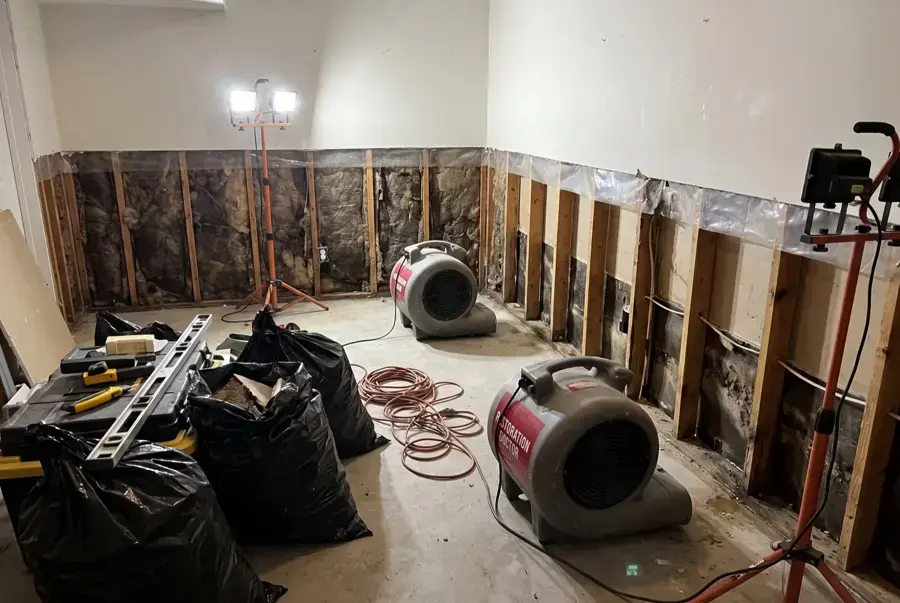
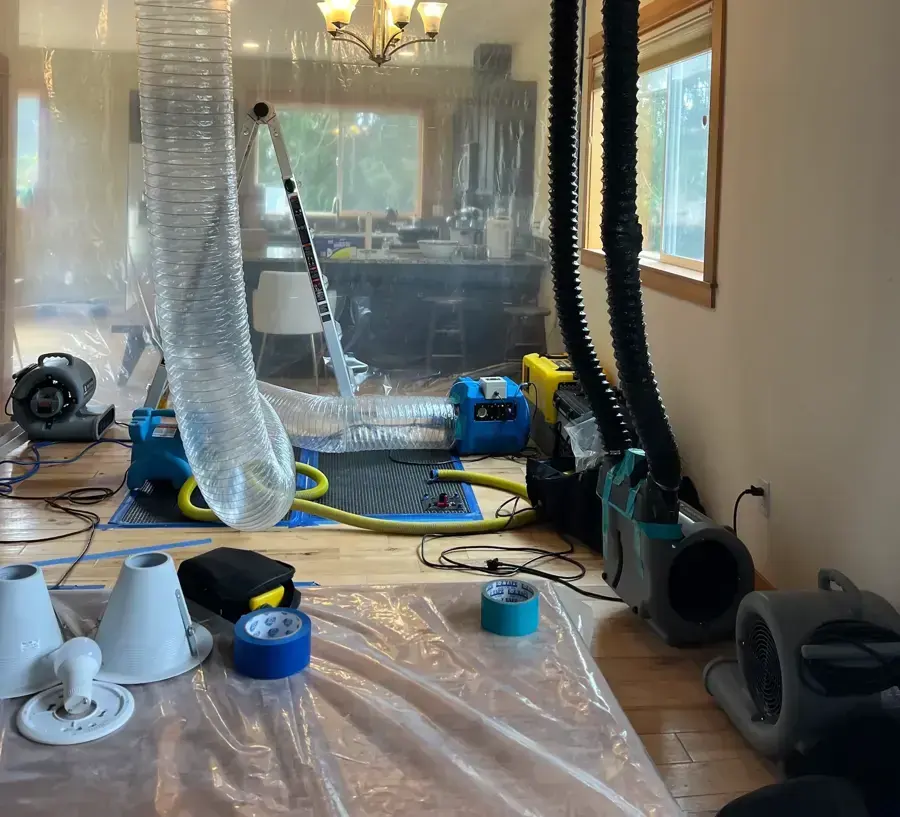
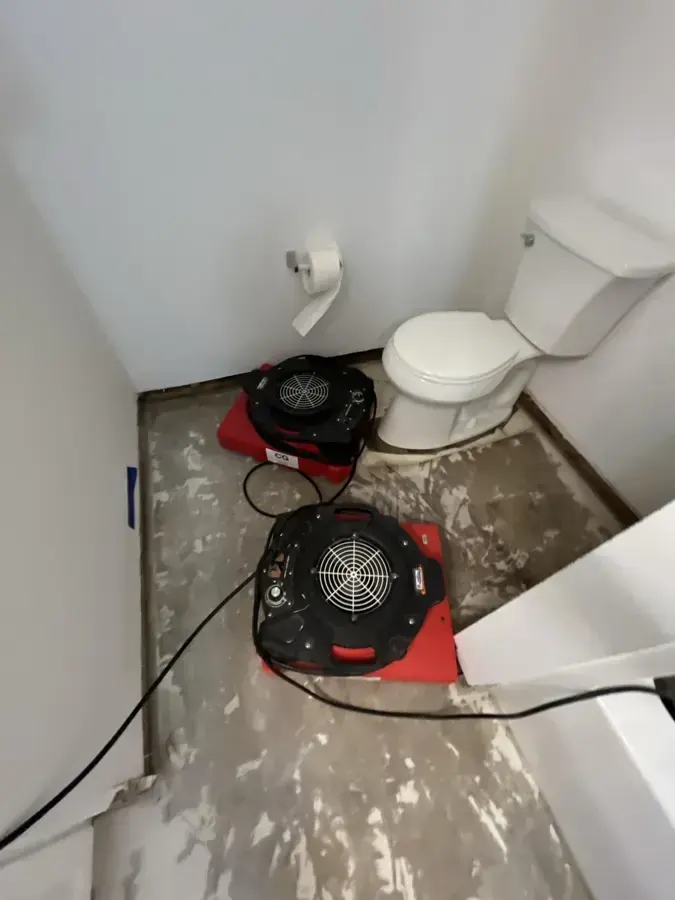
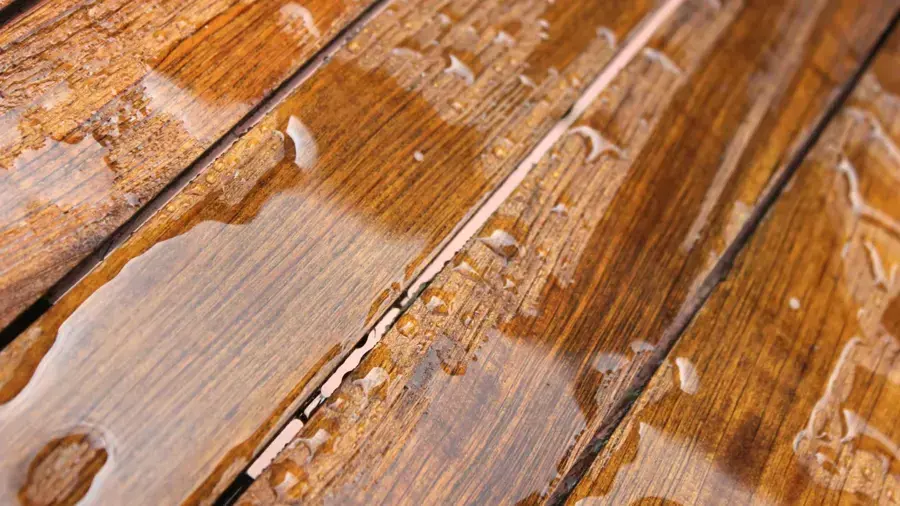
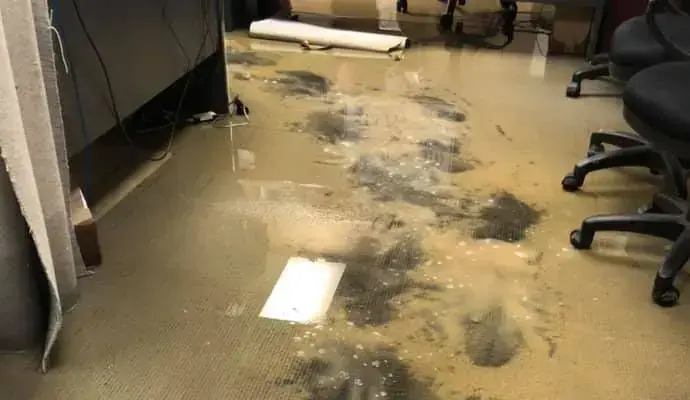
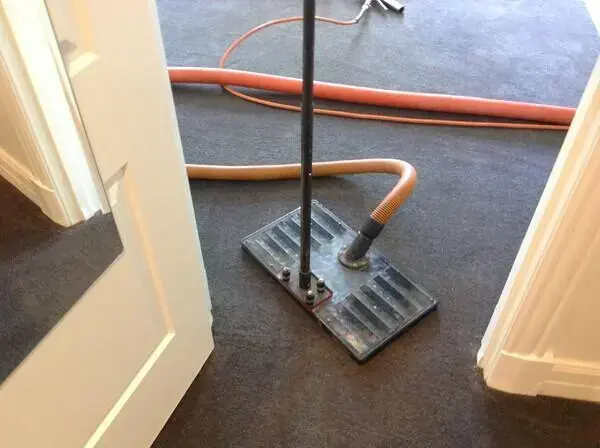
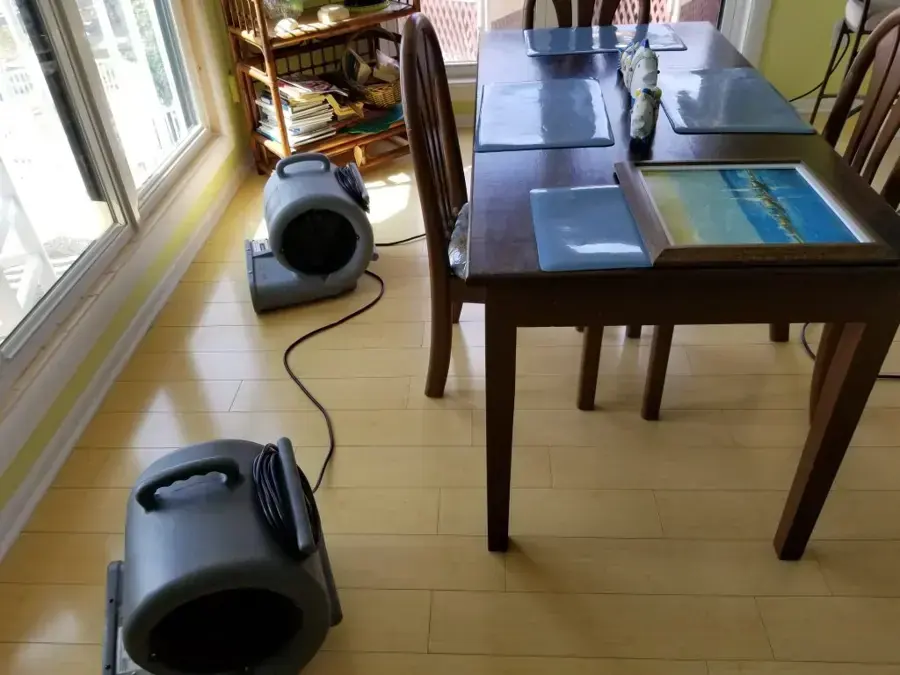
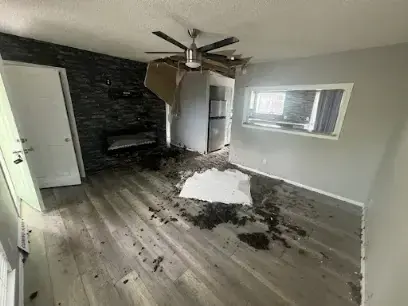
What a water damage job looks like
Coverage
Where the crews work across Signal Hill
Work covers all of ZIP 90755, from the Hilltop Area and Crescent Heights to the Cherry Avenue corridor and the Orizaba Avenue townhomes, plus the commercial areas around Willow Street.
- 90755
Hilltop Area · 90755
Hilltop Park, Burnett Street, Hill Street
Crescent Heights · 90755
25th Street, Creston Avenue, Walnut Avenue
Bixby Ridge · 90755
Panorama Drive, Temple Avenue, California Crown
Cherry Avenue corridor · 90755
City Hall, Costco Wholesale, Willow Street
Orizaba Avenue · 90755
Cityview, Pacificwalk, Pacific Coast Highway
Nearby communities

Local conditions
What shapes water damage on Signal Hill
A few conditions drawn from city planning documents shape how water reaches buildings in Signal Hill, and each changes the repair plan.
- Soils matter on a hill: the Safety Element maps clayey zones with moderate expansion potential and silt and sand on slope faces that erode and slump.
- Two areas still carry landslide potential, north of Panorama Promenade and southwest of Sunset View Park, and a Panorama Drive slope failed in heavy rain in the 1990s.
- About half of households rent, and 41.5% of housing units are in buildings of 5 or more units, so leaks can cross shared walls and ceilings.
- The hazard plan names windstorms, with falling trees the main risk and dying eucalyptus more vulnerable in severe Santa Ana winds.
- On October 13, 2018, a water main break near California Avenue and 33rd Street closed streets, and an officer said breaks like it are common after rain.
Common questions
Signal Hill water damage questions answered
Is Signal Hill in a flood zone?
The city's Safety Element says Signal Hill is in general not subject to flood hazards. Only a small area along the southwestern boundary is mapped Zone X on the FEMA flood map, the rest is unzoned, and there are no special flood hazard areas. Intense rain can still cause minimal flooding in spots.
How soon does mold become a risk after a leak?
Damp drywall, pad and framing can start growing mold within 24 to 48 hours, which is why standing water comes out and drying equipment goes in before anyone waits to see whether a wet spot dries on its own.
What happens when the leak starts in the unit above?
In a building of 5 or more units, water can travel through ceilings and wall cavities into neighboring homes, and 41.5% of Signal Hill's housing units are in buildings that size. The team documents each unit separately and dries every ceiling and wall reached. See ceiling leak water damage.
Who owns the sewers that serve Signal Hill?
The Sanitation Districts of Los Angeles County own and maintain the sewer system serving the city, and County Sanitation District No. 29 is named as the treatment provider. A plumber traces where a backup starts, while the restoration team handles sewage backup cleanup.
Does winter rain mean more roof and ceiling leaks?
Signal Hill has rainy winters and dry summers, so the first heavy storms of the season test roofs that have not seen water for months. Wind driven rain can also find gaps around flashing, vents and windows, and a ceiling stain is often the first sign.
Can wet carpet and hardwood be saved?
Clean-water carpet can often be extracted and dried in place, though the pad underneath is usually replaced. Hardwood depends on how long it stayed wet, and the team checks moisture in the boards and subfloor before deciding whether to dry or remove it.
What records does the team keep for an insurance claim?
Photos of the damage, dated moisture readings, equipment placement notes and a list of removed materials are kept for every job. Those records let the adjuster follow the work, though the policy and the claim decision remain with the insurance carrier.
What if a storm leaves water in a garage?
Water that came across a driveway or street counts as contaminated, so the crew pumps it out, removes porous materials it touched and disinfects the surfaces before drying. Low spots near garage doors and ground rooms are the usual collection points.
Does living on the hill change the repair plan?
Slopes and soils do. The Safety Element notes that silt and sand on slope faces erode and slump, so the tech who does the walkthrough looks at where roof and yard runoff meets a building, as well as at the wet rooms inside.
Can a shop or office stay open during drying?
Often, with a phased plan. The mitigation team dries one area at a time, uses containment to separate noise and wet work, and schedules loud steps after hours. Signal Hill's retail and light industrial buildings each need a different layout.
Emergency dispatch, Signal Hill, CA
Water on the floor in Signal Hill needs a plan
The drying team documents the damage, removes the water and works toward dry readings, from a condo ceiling stain to a flooded garage.