Signal Hill water removal
Water Extraction and Removal in Signal Hill, CA
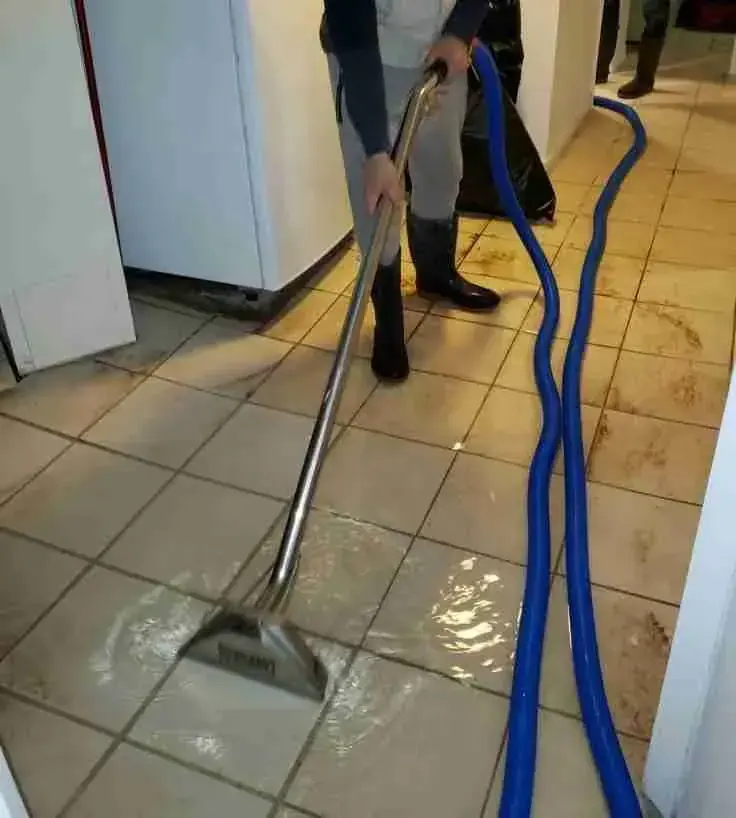
Standing water in a Signal Hill house, condo or shop is pumped and wanded out first, then the structure is dried and readings are logged until the materials reach dry standard.
(888) 563-9619Talk to a Signal Hill extraction crew- Truck-mounted pumps
- Weighted extraction wands
- Pad and baseboard checks
Right away
First steps for water extraction in Signal Hill
- 1
Stop the source
Close the shutoff or the main valve so no more water spreads.
- 2
Keep power away
Switch off breakers for wet rooms and unplug cords near standing water.
- 3
Lift small items
Raise rugs, boxes and small furniture onto dry surfaces.
- 4
Hold the cleanup
Leave wet carpet and pad in place until the crew has photographed and measured it.
How the work runs
How the Signal Hill crews approach water extraction
Rapid local response
The response team dispatches 24/7 across Signal Hill and nearby communities, and active water is treated as urgent at any hour.
IICRC S500 drying standard
IICRC S500 is the industry drying standard: structural drying, not just surface drying, with equipment sized to each room.
Claim-ready documentation
Moisture maps, daily drying logs and timestamped photos taken before any demolition go into the claim file.
Local water know-how
The walkthrough checks the source, the slab or subfloor and the rooms next door, not only the room where water showed up.
What it usually costs
What does water extraction cost in Signal Hill, CA?
A single room of clean water usually runs $1,200 to $2,400 in Signal Hill, several rooms run $2,400 to $4,500, and a whole floor or Category 3 loss reaches $4,500 to $9,000 or more. The cost calculator narrows it down.
Single room, clean water
$1,200 to $2,400
- Extraction, pad check
- Air movers, dehumidifier
- Three to four drying days
Several rooms affected
$2,400 to $4,500
- Wet pad pulled
- Baseboards checked
- Daily moisture logs
Full floor or Category 3
$4,500 to $9,000+
- Carpet and pad removed
- Surfaces disinfected
- Structural drying throughout
These are typical ranges, never a quote: the water category, the square footage, the material class and how fast drying started move the number most. The water damage cost calculator gives a closer planning range, and the restoration contractor who responds sets the real scope after the walkthrough.
Extraction is the first physical step of every Signal Hill water job, and it sets the pace for the drying that follows. The extraction crew pulls standing water with truck-mounted units and weighted wands, then checks what the water reached underneath.
Where the water comes from in Signal Hill
The city's Safety Element finds no special flood hazard areas, so extraction here usually traces back to a failed pipe, a leaking appliance or an opening in the roof rather than a mapped floodplain.
The early February 2024 storm showed the other side, with erosion closing the Panorama Walking Trail and Panorama Drive briefly shut to vehicles, so runoff from the hill can matter too. See storm and flash flood cleanup.
What an extraction visit includes
- Truck-mounted extraction for standing water on hard floors and carpet
- Weighted wands that press water out of carpet and pad
- Meter checks along baseboards and the bottoms of walls
- Pad removal when it cannot dry in place
- A first set of moisture readings recorded before equipment is placed
Clean water from a supply failure can usually be extracted and dried in place. Gray water and sewage change the plan, because porous materials that touched them are removed instead of saved.
After the water is out
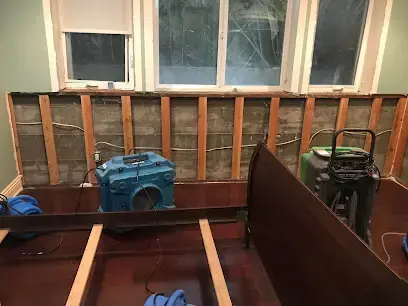
Extraction removes the bulk, but moisture left in the subfloor, baseboards and wall bottoms still has to come out. The drying team places air movers and a dehumidifier, then reads the materials each visit until they reach dry standard. See structural drying for how that stage runs.
Wet pad and drywall can turn musty and begin growing mold within 24 to 48 hours, so extraction is not left until later.
Step by step
The water extraction process in Signal Hill
- 1
Survey
A meter and thermal camera trace where the water traveled.
- 2
Extract
Truck-mounted units and wands remove standing water.
- 3
Remove
Pad and materials that cannot dry in place come out.
- 4
Dry
Air movers and dehumidifiers run while readings are logged.
Where the crews work
Water extraction across Signal Hill and nearby communities
Extraction runs across Signal Hill, from the Hilltop Area and Bixby Ridge streets to condo and townhome communities along Orizaba Avenue and the commercial blocks near Cherry Avenue and Willow Street.
The same service nearby: water extraction in Wilmington, Long Beach, Carson.
Water damage restoration in Signal Hill · every town covered
More water services
Related water damage services in Signal Hill
Common questions
Questions about water extraction in Signal Hill, CA
How is extraction different from drying?
Extraction removes liquid water with pumps and wands, usually in a single visit. Drying removes the moisture that stays inside materials, which takes equipment, time and daily readings to finish.
Can wet carpet be saved after extraction?
Often, when the water was clean and the carpet is lifted and dried properly. The pad underneath is the weak point, because it holds water and is usually replaced.
What if the water came in during a storm?
Water that crossed ground, a driveway or a street is treated as contaminated. The crew extracts it, removes porous materials it touched and disinfects the surfaces before drying begins.
Does extraction work on tile and hardwood?
Tile and sealed floors extract easily, though water can hide in grout joints and under the edges. Hardwood is extracted and then read with a meter before anyone decides to dry or replace it.
Is a pump enough for a shallow spill?
A shallow spill on a hard floor may need only a wet vacuum, but a meter check still matters. Water that crept under baseboards keeps feeding damp spots after the surface looks dry.
Who should know before extraction starts in a condo?
The building manager and the unit below. Water follows ceilings and wall cavities, so a neighbor's ceiling may already be wet before the source is stopped.
Emergency dispatch, Signal Hill, CA
Water out first, then the drying that protects the structure
The extraction crew removes the water, checks pad, baseboards and wall bottoms, and hands the drying team a clear moisture map to work from.