Standing water, pulled out first
Water Extraction and Removal in Wilmington, CA
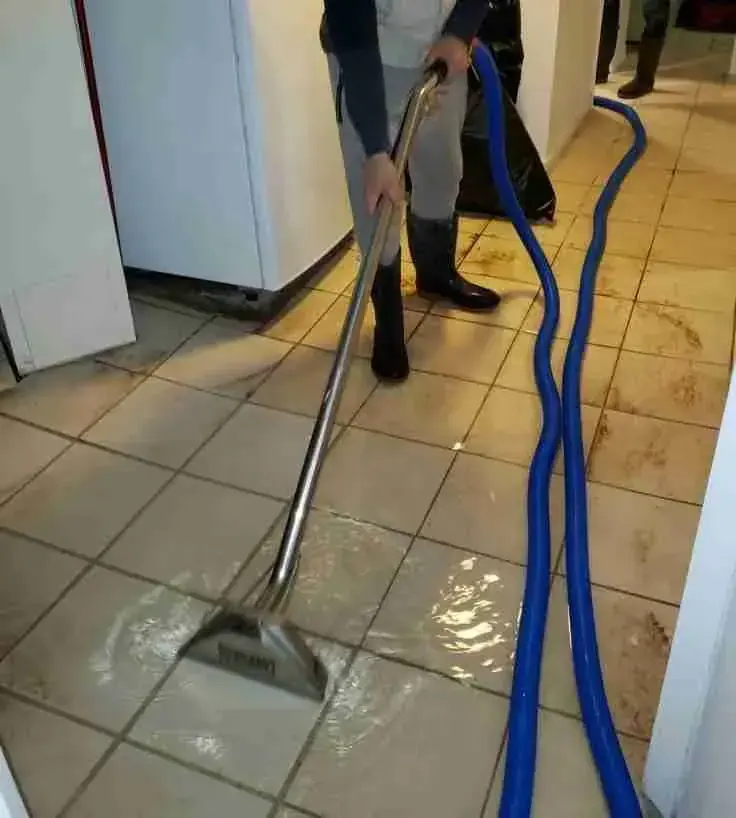
Water that sits keeps moving into pad, drywall and framing. The extraction crew pulls it out with truck-mounted and portable units, and the drying team sets equipment to the readings.
(888) 563-9619Standing water? Get it pulled out now- Truck-mounted extraction
- Weighted carpet tools
- Moisture mapped first
Right away
First steps for water extraction in Wilmington
- 1
Stop the source
Close the main shutoff or the fixture valve if it is safe to reach.
- 2
Cut power to wet rooms
Use a dry breaker panel and keep cords and outlets out of the water.
- 3
Move what you can
Lift rugs, boxes and electronics off the wet floor and away from the edges.
- 4
Leave the pad alone
Do not pull carpet up by hand; the extraction crew checks it first.
How the work runs
How the Wilmington crews approach water extraction
Rapid local response
The response team dispatches 24/7 across Wilmington and the harbor area, and active water is treated as urgent at any hour.
IICRC S500 drying standard
IICRC S500 is the industry drying standard: structural drying, not just surface drying, with equipment sized to each room.
Claim-ready documentation
Moisture maps, daily drying logs and timestamped photos taken before any demolition go into the claim file.
Local water know-how
Galvanized supply pipe, slab leaks, clay sewer laterals and winter storm runoff lead the calls across the harbor area and the South Bay.
What it usually costs
What does water extraction cost in Wilmington, CA?
In Wilmington, CA, water extraction and the drying that follows typically run $1,200 to $4,500, and whole-floor or contaminated losses run higher. The water category, the square footage, the flooring type and how fast extraction started set the number.
One room, clean water
$1,200 to $2,400
- Extraction and pad check
- Air movers and dehumidifier
- Three to four drying days
Several rooms
$2,400 to $4,500
- Pad pulled where needed
- Baseboards checked
- Daily moisture logs
Whole floor or Category 3
$4,500 to $9,000+
- Carpet and pad removed
- Antimicrobial treatment
- Full structural drying
These are typical ranges, never a quote: the water category, the square footage, the material class and how fast drying started move the number most. The Wilmington water damage cost calculator gives a closer planning range, and the restoration contractor who responds sets the real scope after the walkthrough.
Extraction is the cheapest drying there is. Every gallon the extraction crew pulls out as liquid is a gallon the dehumidifiers never have to pull out of the air, so the first hours of a Wilmington water loss decide how long the rest of the job runs.
How water extraction works in a Wilmington home
The tech who does the walkthrough maps the wet area first with pinless meters and a thermal camera. Water slides under baseboards and into the next room long before it shows on the surface.
Then the extraction crew picks the tool for the floor and the building:
- Truck-mounted units handle large losses and send the water out of the house through hoses.
- Portable extractors reach upstairs apartments and units where a truck cannot park close.
- Weighted extraction tools squeeze water out of carpet and pad that a wand alone leaves behind.
- Submersible pumps clear deep water from garages and crawl spaces first.
Carpet, pad and hard floors during water extraction
Carpet wet with clean water is often saved when extraction starts early. The pad underneath holds far more water, so the restoration team usually pulls it and dries the slab or subfloor below.
Tile and sealed concrete extract well, but water runs into grout joints and under the baseboards. Laminate and engineered flooring swell quickly and usually come up once they cup.
What happens after water extraction
Extraction ends when the extractor stops pulling water, not when the floor looks dry. The drying team then sets air movers and LGR dehumidifiers to the room's evaporation load and logs readings every day, which is where structural drying takes over.
Sewage and outside storm water change the job: carpet and pad they touched come out, and hard surfaces get an EPA-registered antimicrobial before drying. Before anyone wades in, OSHA flood cleanup guidance covers the electrical and contamination hazards, and the EPA guide to cleaning up a flooded home covers what to keep and what to discard.
Step by step
The water extraction process in Wilmington
- 1
Map
Meters and thermal imaging find every wet area first.
- 2
Extract
Truck-mounted or portable units pull the standing water out.
- 3
Dry
Air movers and LGR dehumidifiers are sized to each room.
- 4
Verify
Equipment leaves when readings reach the drying goal.
Where the crews work
Water extraction across Wilmington and the harbor area
Wilmington Water Damage Restoration covers ZIP 90744 and 90748, from Avalon Boulevard and the waterfront along Harry Bridges Boulevard to Banning Park, Drum Barracks, the Anaheim Street corridor and the blocks near Los Angeles Harbor College.
Nearby coverage reaches Harbor City, San Pedro, Carson, Lomita, West Carson, Harbor Gateway, Long Beach, Rolling Hills Estates, Signal Hill and Torrance.
More water services
Related water damage services in Wilmington
Common questions
Questions about water extraction in Wilmington, CA
How soon should water extraction start?
As soon as the source is stopped. Clean water picks up contamination and spreads into pad, drywall and framing the longer it sits, and the 24 to 48 hour window decides how much has to come out.
Can wet carpet be saved after extraction?
Often, when the water was clean and extraction started early. The pad usually comes out, and carpet touched by sewage or outside floodwater is always removed.
Is a shop vacuum enough for water extraction?
A shop vacuum handles a small puddle on a hard floor. It cannot pull water out of carpet pad or wall bottoms, which is why truck-mounted extraction and moisture mapping matter.
What equipment does the extraction crew bring?
Truck-mounted or portable extractors, weighted carpet tools, submersible pumps for deep water, and the air movers and LGR dehumidifiers that take over once the standing water is gone.
How long does drying take after water extraction?
A contained clean-water loss usually dries in three to five days. Slabs, hardwood and plaster take longer, and the drying team removes equipment only when readings reach the drying goal.
Does insurance pay for water extraction?
When the water came from a sudden and accidental event, extraction is usually part of the mitigation claim. Coverage depends on your policy, so check with your own insurer.
Emergency dispatch, Wilmington, CA
Standing water in a Wilmington home? Get it out today.
Every hour water sits, it moves further into pad, drywall and framing. The extraction crew pulls it out and the drying team takes over from there.