Under raised-floor bungalows
Crawl Space Water Removal in Wilmington, CA
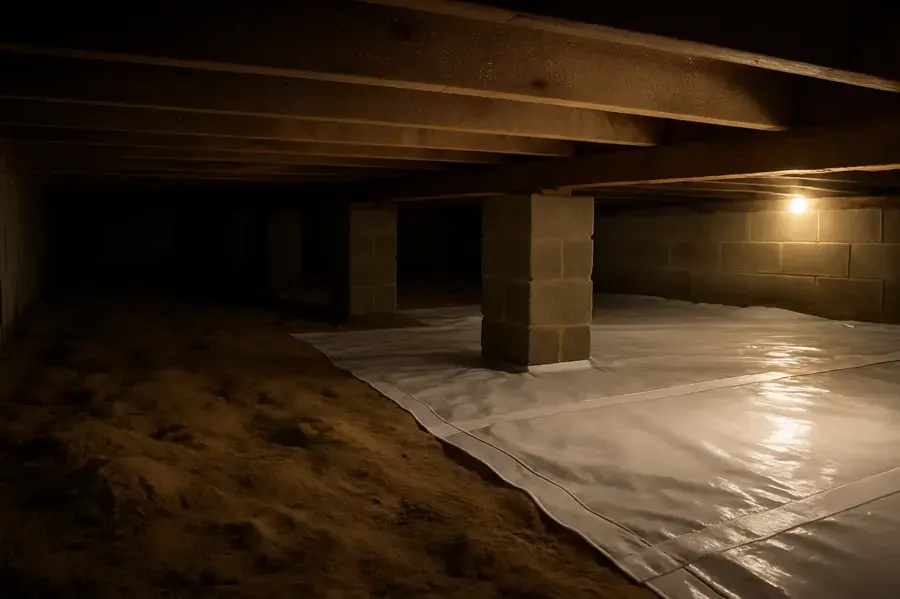
Many prewar Wilmington bungalows sit on raised floors over a crawl space. The extraction crew pumps out the standing water, the mitigation team pulls wet insulation and the drying team dries the joists and subfloor.
(888) 563-9619Water under the house? Get it pumped out- Crawl space pumping
- Wet insulation removed
- Joist and subfloor drying
Right away
First steps for crawl space water removal in Wilmington
- 1
Find the source
Listen for running water and check for runoff at the foundation vents.
- 2
Close the main shutoff
If a supply pipe is leaking under the house, close the main.
- 3
Stay out of the crawl space
Standing water near wiring is a shock hazard.
- 4
Note soft or bouncy floors
Mark the spots that feel soft so they can be checked from below.
How the work runs
How the Wilmington crews approach crawl space water removal
Rapid local response
The response team dispatches 24/7 across Wilmington and the harbor area, and active water is treated as urgent at any hour.
IICRC S500 drying standard
IICRC S500 is the industry drying standard: structural drying, not just surface drying, with equipment sized to each room.
Claim-ready documentation
Moisture maps, daily drying logs and timestamped photos taken before any demolition go into the claim file.
Local water know-how
Galvanized supply pipe, slab leaks, clay sewer laterals and winter storm runoff lead the calls across the harbor area and the South Bay.
What it usually costs
What does crawl space water removal cost in Wilmington, CA?
In Wilmington, CA, crawl space water removal typically runs $1,500 to $6,000, depending on how much water collected, how much insulation comes out and whether the water was clean, gray or sewage.
Standing water pumped out
$1,500 to $3,000
- Pumping and extraction
- Joists checked
- Air movers and dehumidifier
Insulation out, joists dried
$3,000 to $6,000
- Wet insulation removed
- Subfloor dried
- Daily moisture logs
Sewage or storm water
$6,000 to $12,000+
- Category 3 cleaning
- Soil and framing treated
- Extended drying
These are typical ranges, never a quote: the water category, the square footage, the material class and how fast drying started move the number most. The Wilmington water damage cost calculator gives a closer planning range, and the restoration contractor who responds sets the real scope after the walkthrough.
Prewar Wilmington houses often sit on raised wood floors over a shallow crawl space. Water collects there from leaking supply or drain pipe, from storm runoff that flows under the house and from gutters that empty next to the foundation. Because nobody sees it, the first sign is often a soft floor, a musty smell or a jump in the water bill.
Where crawl space water comes from
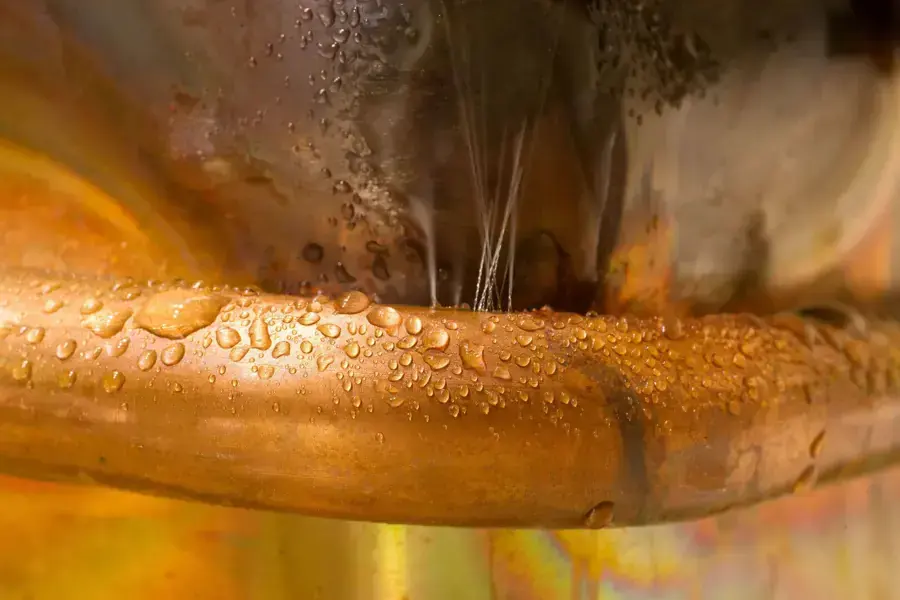
- A leaking supply pipe or a cracked drain under the house.
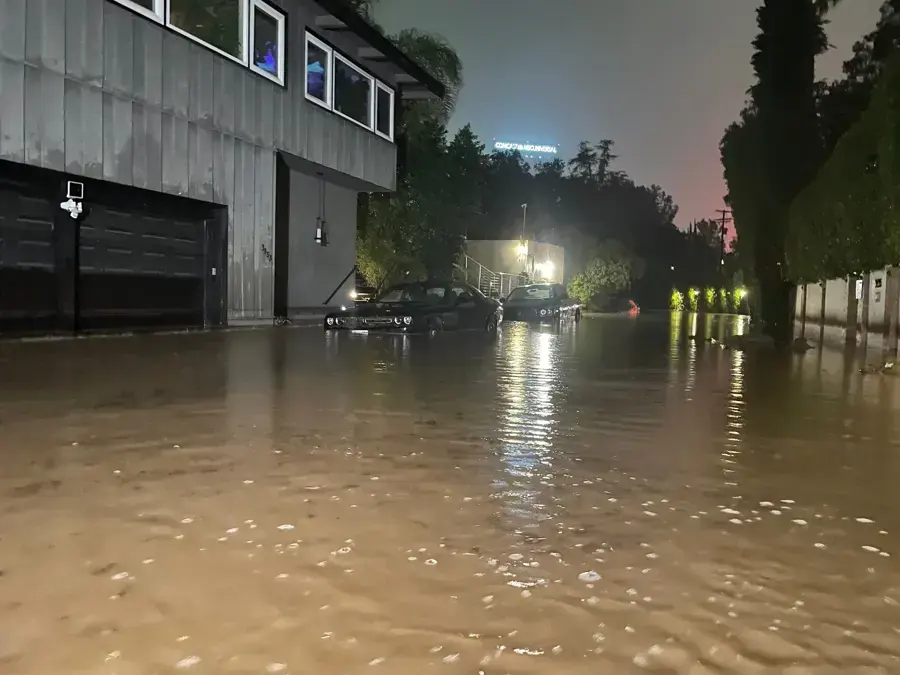
- Storm runoff entering through foundation vents and gaps.
- Downspouts that empty against the foundation.
- A sewer lateral or drain that backed up under the house.
How crawl space water removal works
The extraction crew pumps out standing water first. The mitigation team removes wet insulation from between the joists and any debris the water carried in, because both hold moisture against the wood.
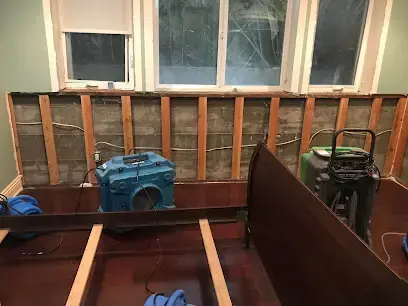
The drying team then moves air through the crawl space with air movers and dehumidifiers and checks the joists, the subfloor and the floor above. When the water came from sewage or outside runoff, it is Category 3, and the soil and framing are cleaned and treated before drying.
Keeping the crawl space dry
Fixing the source matters most: repaired pipes, downspouts that carry water away from the house and soil that slopes away from the foundation. A vapor barrier over the soil helps, and DOE Energy Saver explains crawl space insulation and moisture control.
A wet crawl space also affects the air in the rooms above, and the EPA indoor air quality pages explain that link. For storm water that also reached the rooms, see storm and flash flood cleanup.
Step by step
The crawl space water removal process in Wilmington
- 1
Pump
Standing water is pumped out from under the house.
- 2
Remove
Wet insulation and debris come out.
- 3
Dry
Air movers and dehumidifiers dry the joists and subfloor.
- 4
Verify
Readings above and below the floor reach the goal.
Where the crews work
Crawl space water removal across Wilmington and the harbor area
Wilmington Water Damage Restoration covers ZIP 90744 and 90748, from Avalon Boulevard and the waterfront along Harry Bridges Boulevard to Banning Park, Drum Barracks, the Anaheim Street corridor and the blocks near Los Angeles Harbor College.
Nearby coverage reaches Harbor City, San Pedro, Carson, Lomita, West Carson, Harbor Gateway, Long Beach, Rolling Hills Estates, Signal Hill and Torrance.
More water services
Related water damage services in Wilmington
Common questions
Questions about crawl space water removal in Wilmington, CA
How do I know there is water in my crawl space?
Common signs are a musty smell, soft or cupped wood floors, high humidity in the house and a water bill that jumped. A look through the access hatch with a flashlight often confirms it.
Is crawl space water dangerous?
Standing water near wiring is a shock hazard, and water from sewage or storm runoff is Category 3. Stay out and leave it to a crew with PPE.
Does the insulation under the floor have to be replaced?
Wet fiberglass batts sag and hold water against the joists, so they are usually removed and replaced once the framing is dry.
How long does a crawl space take to dry?
Usually four to seven days once the source is fixed, and longer after heavy storm runoff or a sewage backup.
Can a crawl space flood from rain alone?
Yes. Runoff enters through foundation vents and gaps when the yard slopes toward the house or the downspouts empty against the foundation.
Is crawl space water damage covered by insurance?
Sudden pipe leaks are often covered, while seepage and flooding usually are not. Check with your own insurer.
Emergency dispatch, Wilmington, CA
Standing water under a Wilmington house? Get it pumped out now.
Water under a raised floor soaks insulation, joists and subfloor out of sight. The extraction crew pumps it out and the drying team dries the framing.