Rolling Hills Estates water damage experts
Water Damage Restoration Rolling Hills Estates, CA
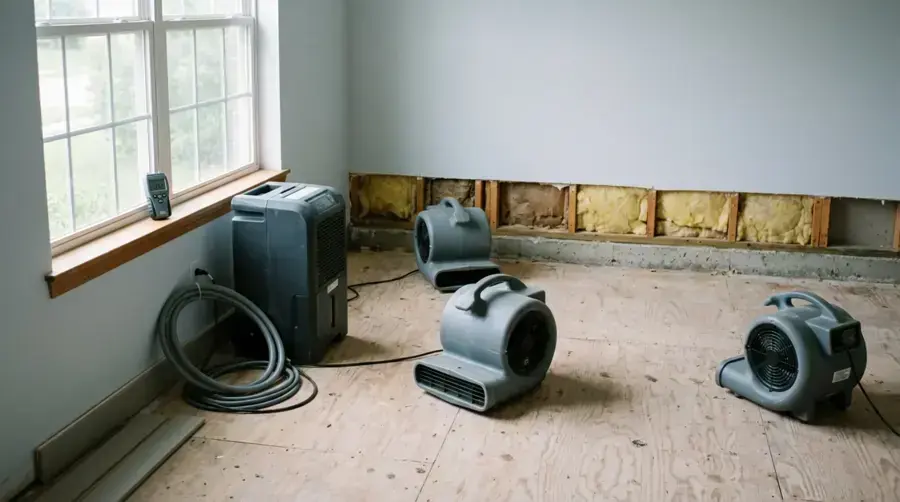
Burst pipes, roof leaks and sewer trouble are handled by local water damage experts who pull standing water, open wet walls and dry homes from Dapplegray Lanes to The Vantage Pointe until the readings say dry.
(888) 563-9619Rolling Hills Estates water damage help- Truck-mounted water extraction
- Hillside and canyon homes
- Readings logged daily
Before help arrives
What to do while the water is still spreading
- 1
Stop the source
Close the fixture valve or the main shutoff, then switch off power to wet areas before anyone steps near standing water.
- 2
Photograph everything
Capture the wet floors, damaged walls and ruined belongings before anything moves, since adjusters ask for dated images.
- 3
Lift valuables higher
Raise furniture legs onto blocks, pull rugs and electronics clear, and keep wet fabric off finished wood.
- 4
Call before cleaning up
Skip the shop vac and box fans until the drying team has mapped where moisture traveled.
Water damage services
Twelve services for Rolling Hills Estates homes
From a slow slab leak to a flooded garage, each problem calls for different equipment and different questions, so the work is sorted by what started the loss and how far the water traveled in a Rolling Hills Estates house.
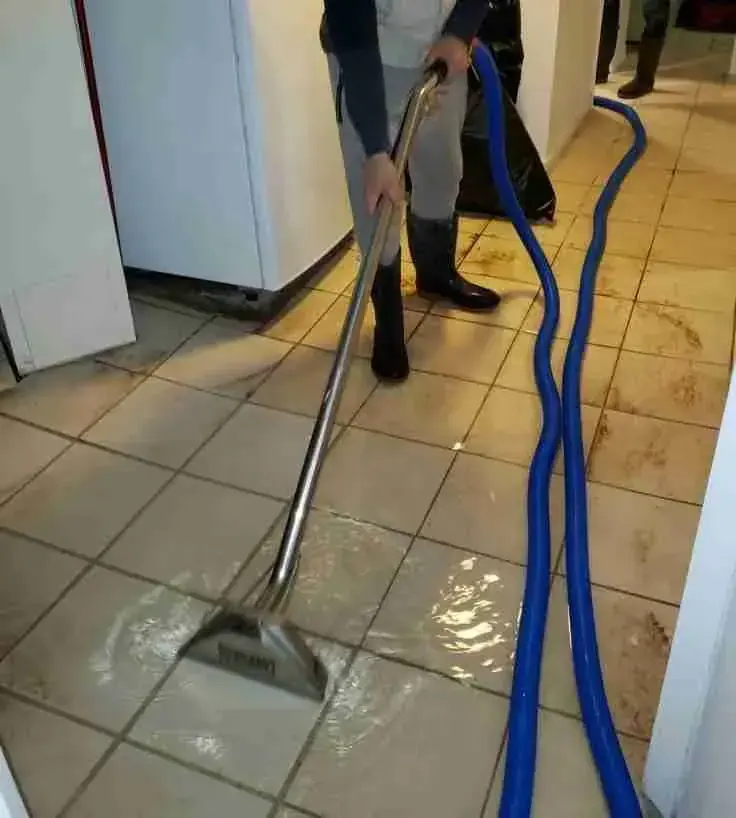 Water Extraction and RemovalPumps and wands pull standing water off floors before it wicks into baseboards.See the details
 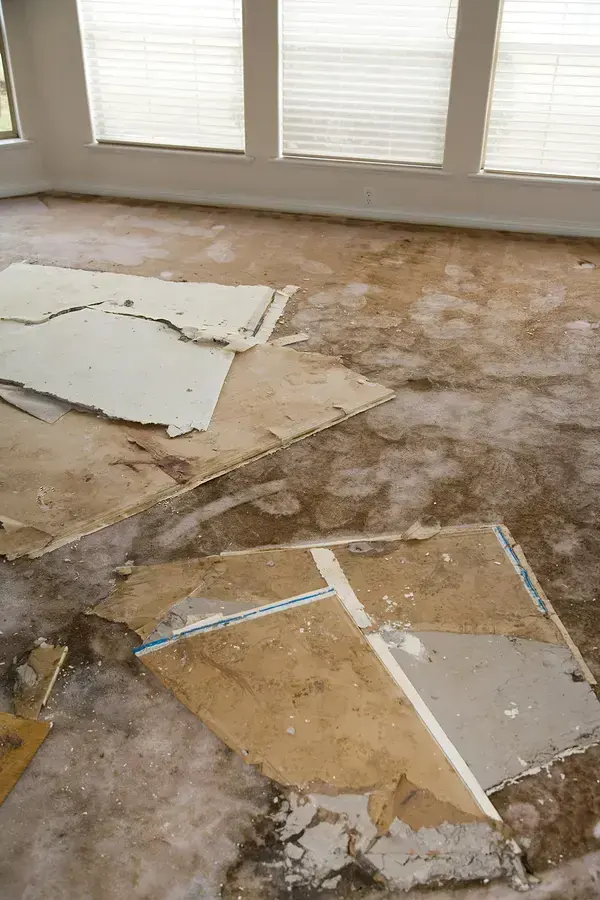 Slab Leak Water DamageLeaks under concrete get located, flooring lifted and the slab dried.See the details
 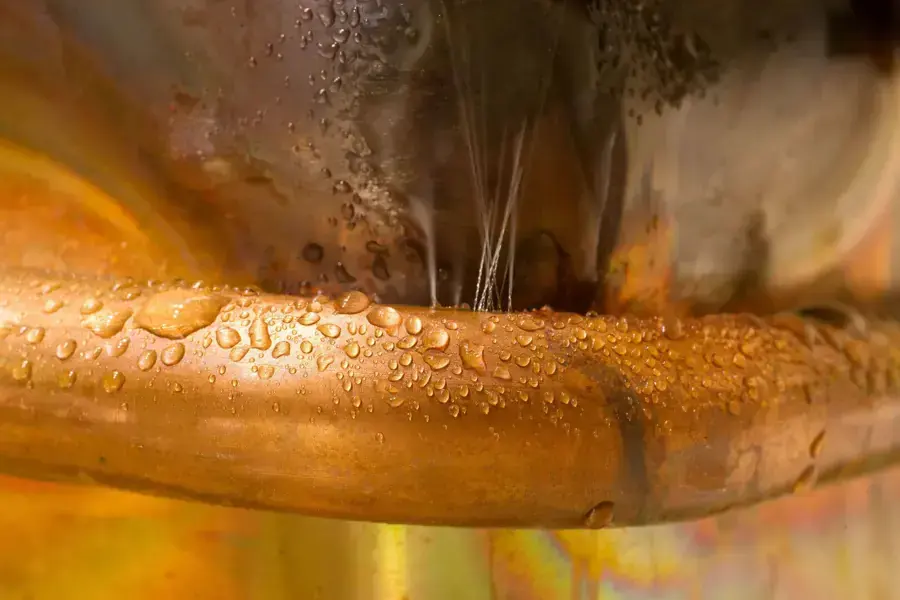 Burst Pipe Water DamageA split pipe floods fast; walls and ceilings are opened and dried.See the details
 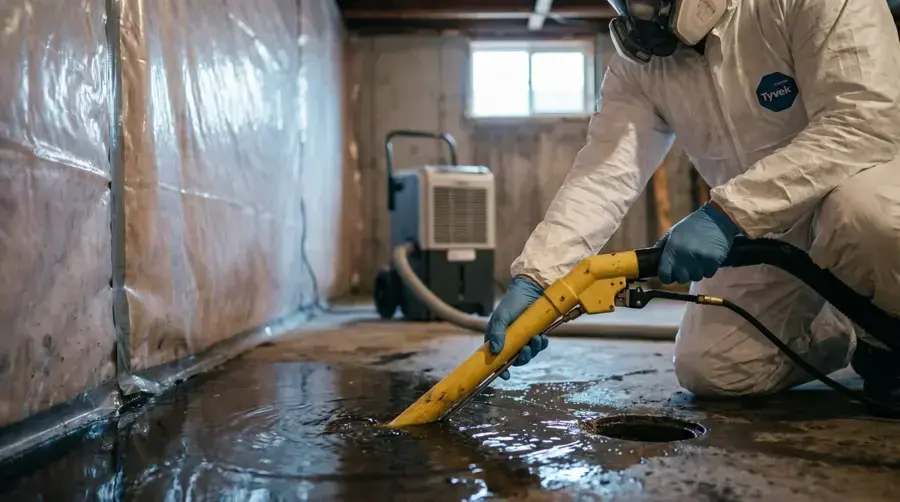 Sewage Backup CleanupSewage backups get contained, removed and disinfected with protective gear.See the details
 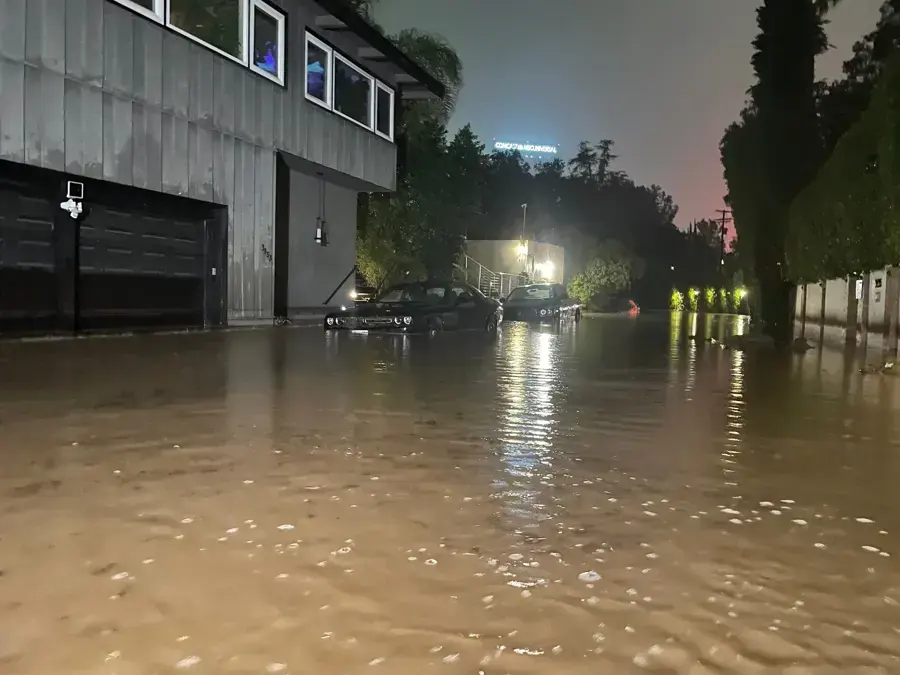 Storm and Flash Flood CleanupCanyon runoff and street flooding that reach garages get pumped out and dried.See the details
 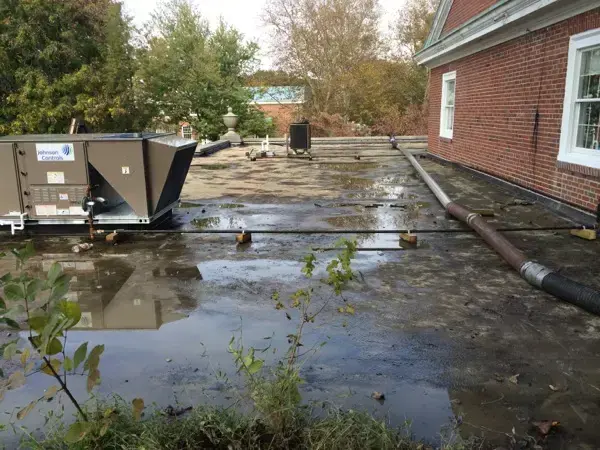 Roof Leak Water DamageRain through the roof means wet insulation, stained ceilings and careful drying.See the details
 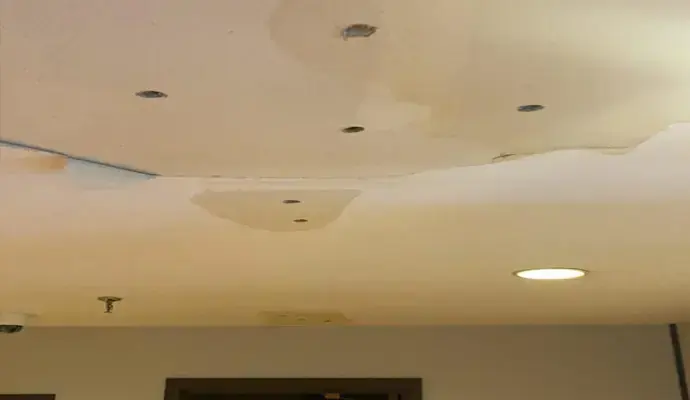 Ceiling Leak Water DamageSagging or stained ceilings are traced to their source and dried in place.See the details
 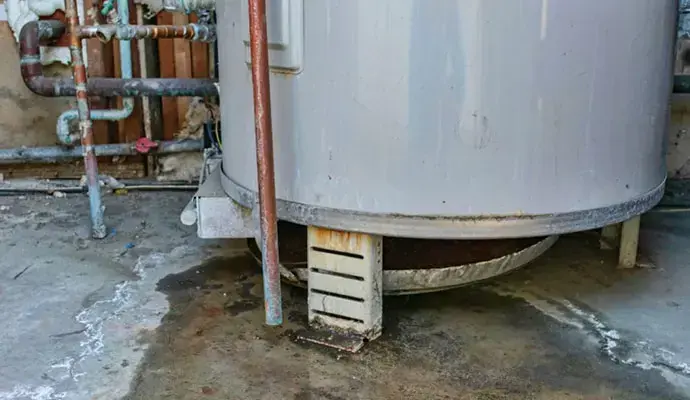 Water Heater Leak CleanupA leaking tank in the garage or closet is shut off, extracted and dried.See the details
 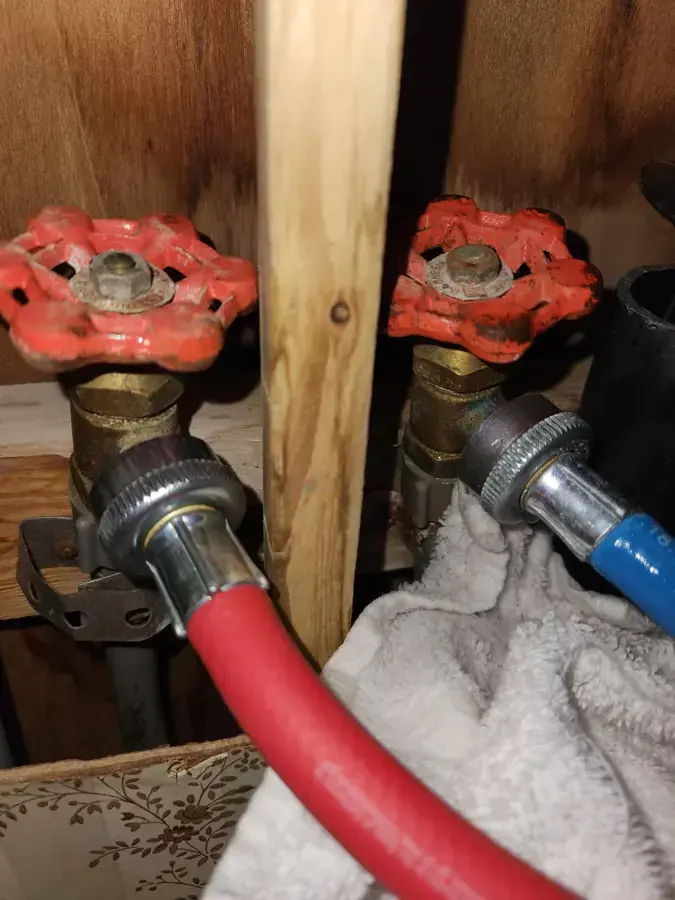 Appliance and Supply Hose LeaksWasher, dishwasher and supply hose leaks are dried out of floors and cabinets.See the details
 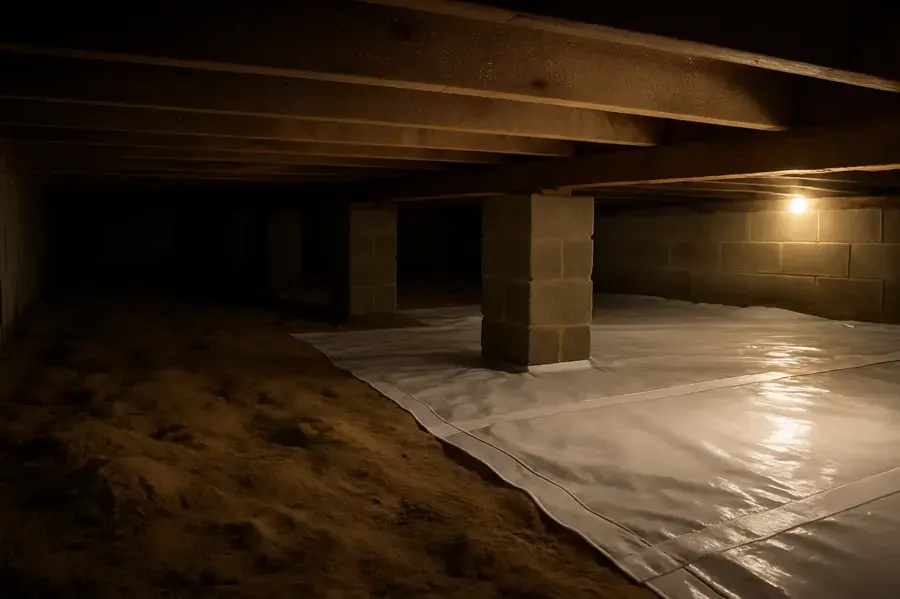 Crawl Space Water RemovalWater trapped under a raised floor is pumped out and the framing dried.See the details
 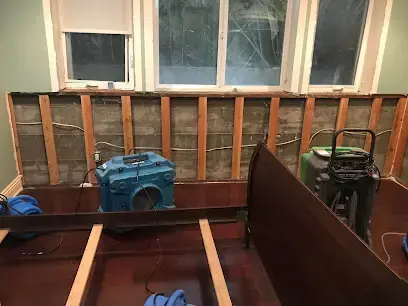 Structural Drying and DehumidificationDehumidifiers and air movers dry walls and subfloors until moisture readings match dry materials.See the details
 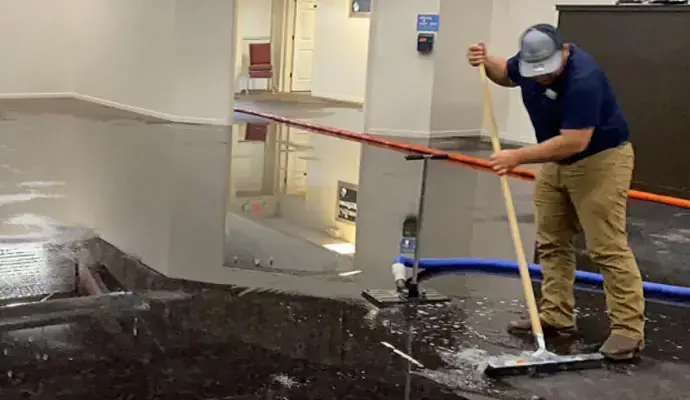 Commercial Water DamageShops and offices get phased drying plans that keep the business moving.See the details
 Why Rolling Hills Estates homeowners call
Local drying that follows the moisture
The median home here dates to 1970 and parts of the city are hilly, so no two losses look alike and each job starts with readings instead of assumptions.
Rapid local response
Crews are used to hillside and canyon-edge properties, so equipment is matched to the home before loading.
Moisture-first drying
Meters and thermal images decide which walls get opened, so material is removed only when readings call for it.
Claim-ready documentation
Photos, moisture logs and equipment records are organized so an adjuster can follow the loss from start to finish.
Rolling Hills Estates water know-how
Cal Water supply, county sewer and storm drain pipes, and expansive clay soil shape how the team plans each job.
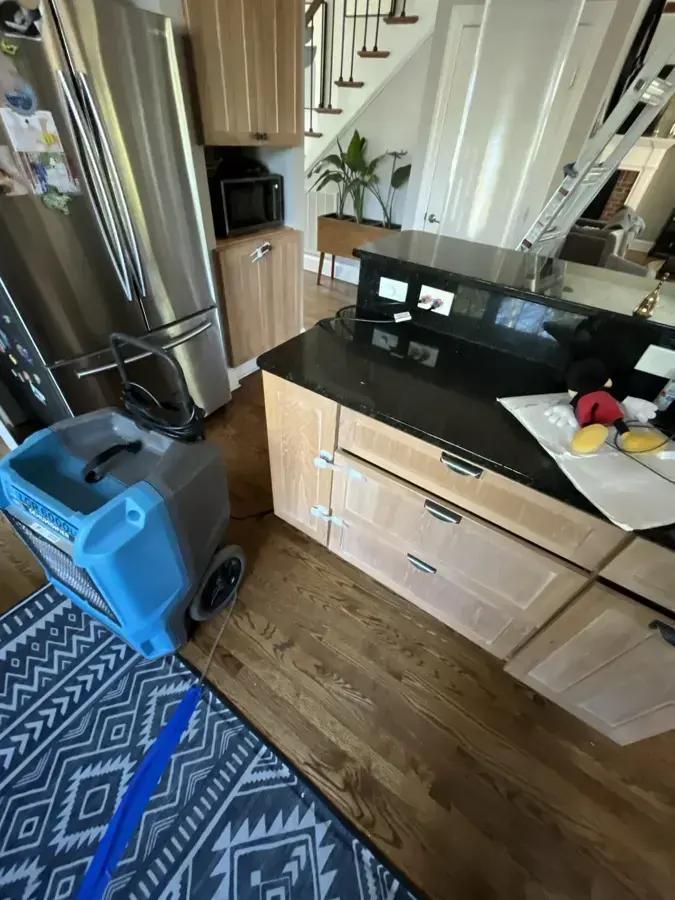
Inside a dry-out
How a Rolling Hills Estates dry-out is proven
Every drying job follows the same sequence of mapping, removal, drying and proof, scaled to the size of the loss.
- 1
Moisture mapping
A meter and thermal camera trace the wet area past the visible stain, room by room, and the findings are logged before anything is moved.
- 2
Extraction
Pumps and wands remove standing water and wring wet carpet and pad so less moisture is left to evaporate into the air.
- 3
Air movers and dehumidifiers
Air movers push dry air across wet surfaces while dehumidifiers pull the moisture out of the room and drain it away.
- 4
Readings until dry
Daily visits record humidity and material moisture, equipment is adjusted, and the job ends only when wet materials match dry reference readings.
- Daily psychrometric logs
- Thermal camera checks
- Dry standard reached
- Photo record of each step
Storms, canyons and street drainage
When winter rain finds a way inside
The city reports 11.72 inches of rain in an average year, yet its Safety Element lists canyon flash floods, saturated hillside mudflows and shallow street flooding from poor storm drainage as local storm issues. Storm and flash flood cleanup covers the pumping and drying that follows.
(888) 563-9619Rolling Hills Estates storm water help- Keep gutters, downspouts and ground-level drains clear before the rain starts.
- Park vehicles and move stored boxes up off garage floors when a heavy storm is forecast.
- Sandbags, plywood and plastic sheeting are worth having ready, because shallow water can reach a doorway or low room faster than expected.
Typical price ranges
What water damage restoration costs in Rolling Hills Estates
Most Rolling Hills Estates jobs land between $1,400 and $10,000, depending on how many rooms are wet, what category of water it was and how long materials stayed damp. The cost calculator gives a quick estimate.
Small clean-water loss
$1,400 to $3,200
- One room dried
- Extraction and monitoring
- Three to five drying days
Several rooms affected
$3,200 to $6,500
- Wet drywall and pad removed
- Dehumidifiers running daily
- Moisture checks each visit
Large or Category 3 loss
$6,500 to $10,000+
- Whole floor involved
- Containment plus disinfection
- Structural drying throughout
Final cost follows the readings, the water category and the materials involved, and an adjuster's scope can change it.
Water categories
Clean, gray and black water get different handling
Category 1 clean water
Supply pipe and tank failures start clean, then degrade if wet materials sit too long.
See burst pipe dryingCategory 2 gray water
Washer and dishwasher discharge carries soap and bacteria, so porous materials usually come out rather than dry in place.
See appliance leak cleanupCategory 3 black water
Sewage and storm water carry contaminants, so affected materials are removed, contained and disinfected.
See sewage backup cleanupInsurance
Working with your insurance adjuster
Sudden pipe and appliance failures are usually the kind of loss a homeowner policy considers, while slow seepage often is not, so early photos and a dated moisture log shape how an adjuster reads the claim in Rolling Hills Estates.
Homeowners deal with the policy; the drying team supplies readings, photos and an itemized scope that support the claim.
Keep these for the adjuster
- Dated photos of every wet room and ceiling
- The plumber's or roofer's written repair note
- Moisture logs from each drying visit
- Receipts for emergency purchases and rentals
- A room by room list of damaged belongings
Gallery
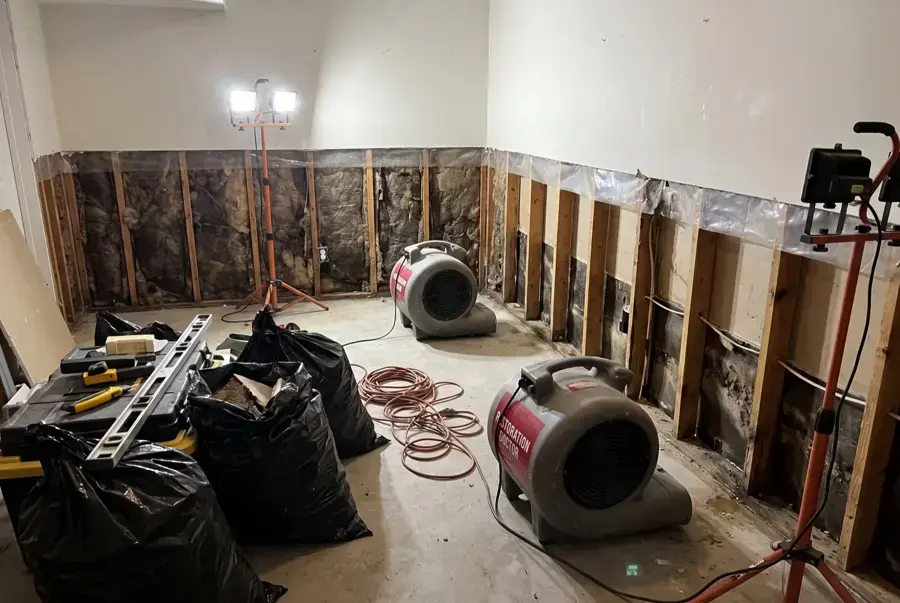
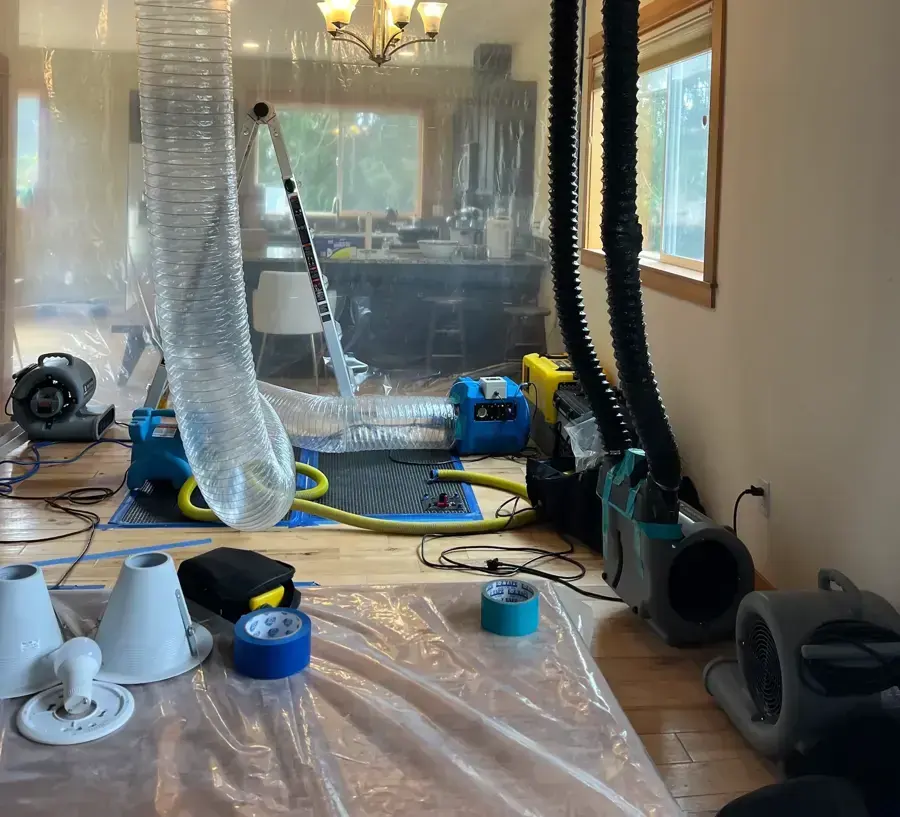
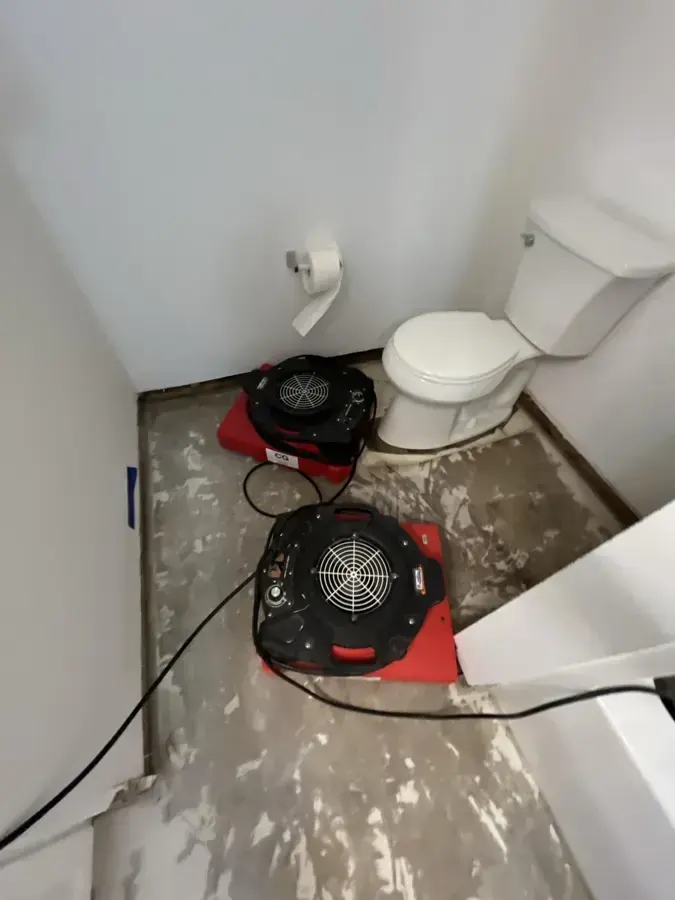
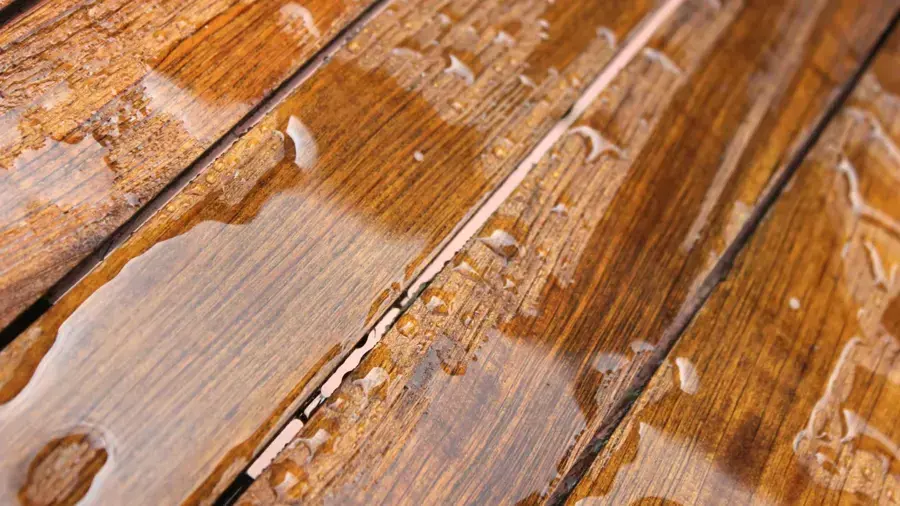
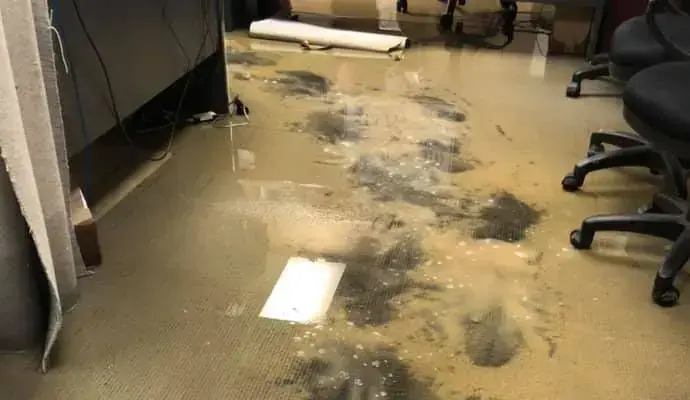
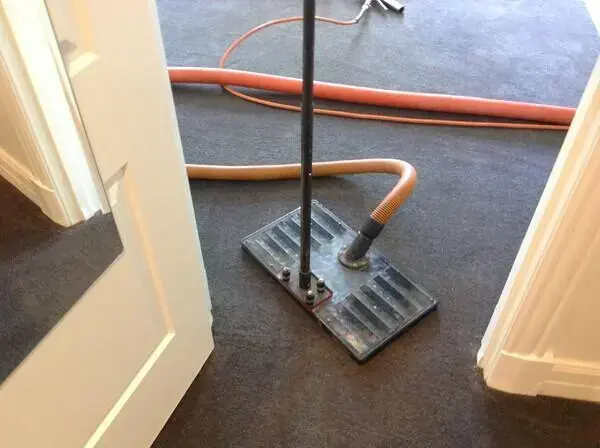
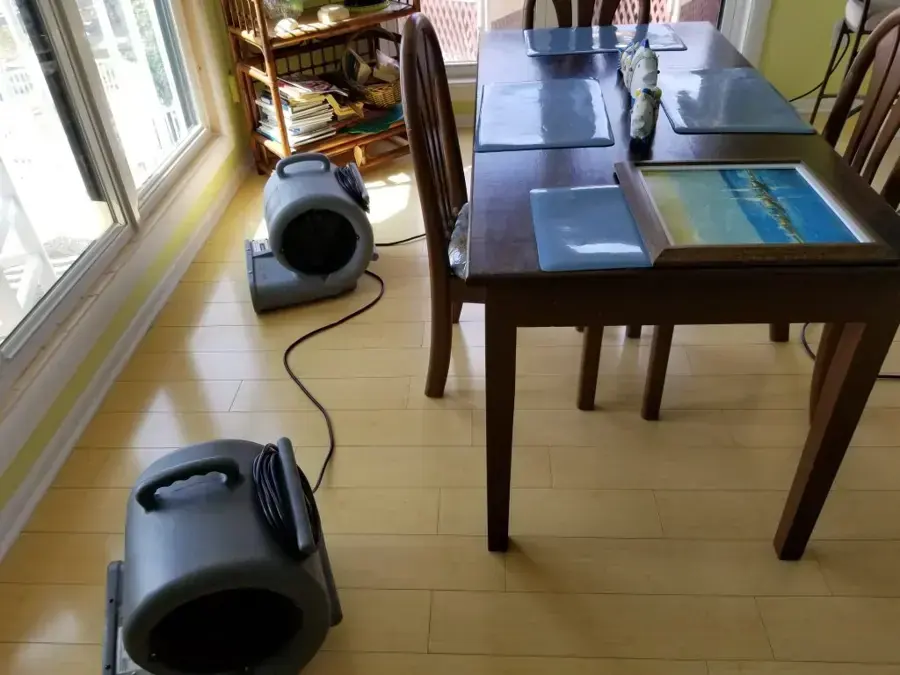
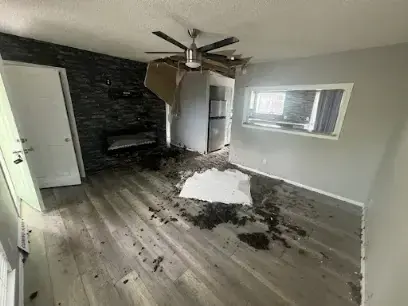
What a water damage dry-out looks like
Coverage
Neighborhoods covered across Rolling Hills Estates
Water damage crews work throughout Rolling Hills Estates, from the Commercial District along Silver Spur Road to hillside homes in Los Ranchos Verdes and the equestrian neighborhood of Dapplegray Lanes.
- 90274
- 90275
Commercial District
Silver Spur Road, Bart Earle Way, Deep Valley Drive
Retail centers
Peninsula Center, Silver Spur Town and Country, Promenade PV
Equestrian and hillside homes
Dapplegray Lanes, Los Ranchos Verdes, Ranchview
Residential neighborhoods
The Ranch, The Terraces, Rollingwood, Masongate
Main corridors
Palos Verdes Drive North, Palos Verdes Drive East, Crenshaw Boulevard
Nearby communities

Local conditions
What makes water damage different in Rolling Hills Estates
Soil, slopes, aging pipes and a hillside drainage system all shape how water behaves in a Rolling Hills Estates home.
- Expansive clay soils such as Altamont Clay Loam swell when wet and shrink as they dry, which can stress foundations and underground pipes over time.
- Most of the city is underlain by Monterey Formation shale and siltstone, including Altamira Shale, a rock conducive to land sliding on the Palos Verdes Peninsula.
- The Safety Element lists shallow flooding in streets and residences from poor storm drainage.
- A February 2020 water main break at Palos Verdes Drive North and Dapplegray Lane caused minor flooding and left some homes without water.
- Units over 50 years old are flagged by the Housing Element as likely candidates for major rehabilitation, and 935 homes here were built between 1970 and 1979.
Common questions
Rolling Hills Estates water damage questions
How fast does water damage spread in a house?
Water wicks into drywall, baseboards and subfloors within hours, and wet materials can start growing mold after 24 to 48 hours. Pulling out standing water and starting dry air early limits how much drywall and flooring has to be torn out later.
Does Rolling Hills Estates ever flood?
FEMA maps show no special flood hazard areas in the planning area, yet the Safety Element lists canyon flash floods, saturated hillside mudflows and shallow street flooding. Canyon flash floods are short-lived because the watersheds are small, but a garage or ground floor can still take on water.
Who deals with a broken water main nearby?
California Water Service supplies the city through its Rancho Dominguez District, and its crews responded to the February 2020 main break at Palos Verdes Drive North and Dapplegray Lane. Once the supply is shut off, water that reached a home becomes a drying job for the restoration team.
What happens after a sewage backup?
The Sanitation Districts of Los Angeles County operate the sewer system, and Los Angeles County Public Works maintains the pipes. Sewage inside a home is Category 3 water, so wet flooring and lower drywall are removed, contained and disinfected, and sewage backup cleanup covers that work from containment to final readings.
Do older homes here leak more often?
About 97 percent of the city's housing units are single-family homes, and the median home dates to 1970. Older roofs, worn supply pipes and aging tanks are common starting points for a loss, though age alone never means a leak is coming.
Can clay soil cause leaks under a slab?
Altamont Clay Loam, Diablo Clay Loam and Montezuma Clay Adobe all shrink and swell strongly with moisture. Moving ground can stress buried pipes, and a slab leak often shows up as warm or damp flooring, a hissing sound or a water bill that keeps climbing without any other explanation.
What should be done after storm water enters a garage?
After shutting off power to the wet area, call for extraction and move belongings off the floor. Before the next storm, the city's flood preparedness page suggests clear gutters, downspouts and drains, plus sandbags, plywood and plastic sheeting kept ready.
Is commercial water damage handled differently?
Shops, offices and entertainment venues in the 96-acre Commercial District need phased drying so the business can stay open where possible, and commercial water damage work is scheduled around business hours. The Housing Element also notes a high water table along Silver Spur Road.
Does homeowner insurance cover water damage?
That depends on the policy and the cause, so read the declarations and contact the insurer early. Documentation is what the drying team controls: dated photos, daily moisture logs and an itemized scope all travel with the claim.
How long does structural drying take?
Clean-water jobs usually need three to five drying days, while plaster, slab or hardwood can take longer. The end date is set by moisture readings, not the calendar, and structural drying continues until wet materials match dry reference readings.
Emergency dispatch, Rolling Hills Estates, CA
Wet floors in Rolling Hills Estates need drying now
The drying team will stop the spread, document the loss for the adjuster and keep logging readings until every wet material in the home is dry.