Rolling Hills Estates water removal
Water Extraction and Removal in Rolling Hills Estates, CA
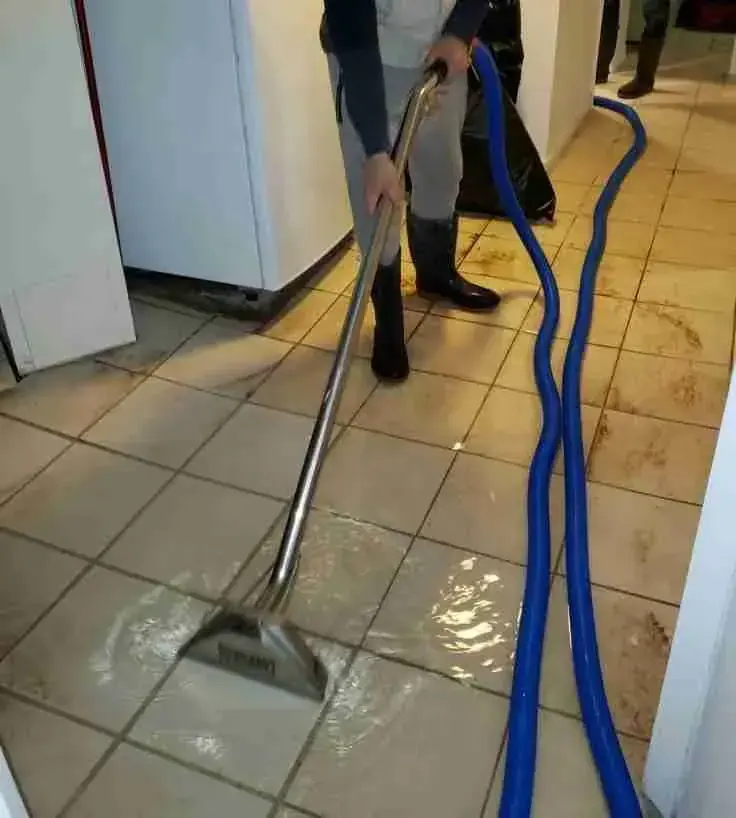
Truck-mounted pumps and wands pull standing water from carpet, tile and hardwood across Rolling Hills Estates, so drying can start before moisture climbs into walls and cabinets.
(888) 563-9619Rolling Hills Estates water extraction help- Truck-mounted extraction
- Wet carpet and pad care
- Moisture mapped first
Right away
First steps for water extraction in Rolling Hills Estates
- 1
Shut off the source
Close the valve or main shutoff and cut power to wet outlets.
- 2
Move small items
Lift rugs, shoes and cords off wet floors and set furniture legs on foil or blocks.
- 3
Photograph the water
Take wide and close shots of the water level, wet walls and damaged belongings.
- 4
Call for extraction
Report the water type and which rooms are wet so the right pumps are loaded.
How the work runs
How the Rolling Hills Estates crews approach water extraction
Rapid local response
The response team dispatches 24/7 across Rolling Hills Estates and nearby communities, and active water is treated as urgent at any hour.
IICRC S500 drying standard
IICRC S500 is the industry drying standard: structural drying, not just surface drying, with equipment sized to each room.
Claim-ready documentation
Moisture maps, daily drying logs and timestamped photos taken before any demolition go into the claim file.
Local water know-how
The walkthrough checks the source, the slab or subfloor and the rooms next door, not only the room where water showed up.
What it usually costs
What does water extraction cost in Rolling Hills Estates, CA?
Extraction alone usually falls in the $1,200 to $2,400 range for one room of clean water, and rises with the number of rooms, the water category and how much pad and flooring must come out. See the cost calculator for a closer figure.
Single room, clean water
$1,200 to $2,400
- Pump-out and pad inspection
- Fans plus a dehumidifier
- About four drying days
Several rooms wet
$2,400 to $4,500
- Wet pad removed
- Baseboards probed
- Moisture logged daily
Whole floor or Category 3
$4,500 to $9,000+
- Carpet and pad hauled out
- Antimicrobial application
- Full structural drying
These are typical ranges, never a quote: the water category, the square footage, the material class and how fast drying started move the number most. The water damage cost calculator gives a closer planning range, and the restoration contractor who responds sets the real scope after the walkthrough.
Standing water in a Rolling Hills Estates home does most of its harm in the first day, when it soaks into baseboards, spreads under cabinets and loads carpet pad with moisture. Extraction removes the bulk of it mechanically, which is far faster than any amount of evaporation.
How the extraction crew works a wet floor
- A moisture meter and thermal camera mark where the water traveled.
- Truck-mounted units pull standing water through hoses laid from the curb.
- Weighted wands press water out of carpet before the pad is judged.
- Pad that is soaked or contaminated is cut out and bagged.
- Baseboards and wall bottoms get probed for hidden moisture.
Where houses sit close to the street on narrow lots, as in Dapplegray Lanes, hose runs from the truck stay short. Hilltop homes in Los Ranchos Verdes and Ranchview get a walkthrough first so the hose path protects finished floors. Equipment choices follow the floor type, the depth of the water and how much of it there is.
Where the water comes from here
The Safety Element lists shallow flooding in streets and residences from poor storm drainage, and a failed supply pipe or tank can do the same indoors. Either way, the first job is pulling the water out before it reaches walls and flooring.
Clean water from a supply pipe is Category 1 and often saves the carpet. Water from a drain, a toilet or a storm reaches Category 2 or 3, and affected pad and flooring come out and are bagged.
Extraction is step one of the dry-out
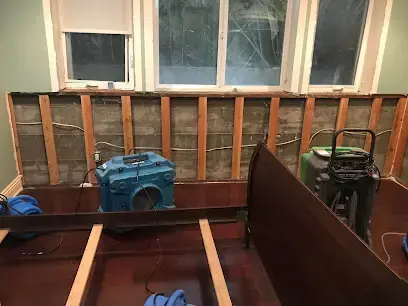
Pulling out the water does not finish the job. Damp carpet, pad, baseboards and framing still hold moisture, so air movers and dehumidifiers follow, and structural drying continues with daily readings.
A burst supply pipe or a leaking tank often starts with extraction too, so burst pipe water damage and extraction work usually run together on the same visit.
Step by step
The water extraction process in Rolling Hills Estates
- 1
Map
A meter and thermal camera trace the water's path.
- 2
Extract
Pumps and wands remove standing water and press out carpet.
- 3
Remove
Soaked pad and swollen baseboards are cut out and bagged.
- 4
Hand off
Readings are logged, then drying equipment takes over.
Where the crews work
Water extraction across Rolling Hills Estates and nearby communities
Extraction runs across Rolling Hills Estates, from homes close to the street in Dapplegray Lanes to hilltop houses in Ranchview and suites in the Commercial District along Silver Spur Road, in ZIP codes 90274 and 90275.
The same service nearby: water extraction in Wilmington, Lomita, Carson.
Water damage restoration in Rolling Hills Estates · every town covered
More water services
Related water damage services in Rolling Hills Estates
Common questions
Questions about water extraction in Rolling Hills Estates, CA
How soon should standing water be removed?
As early as possible, because water wicks into drywall and pad quickly and wet materials can grow mold after 24 to 48 hours. Early removal often saves flooring that later waiting would ruin.
Can carpet be saved after extraction?
Often yes when the water was clean and the carpet is lifted and dried quickly. Pad is usually replaced because it holds water, while the carpet itself can be cleaned and reinstalled.
What equipment pulls the water out?
Truck-mounted extractors with hoses handle large volumes, while portable extractors and weighted wands work carpet and tight spots. The crew picks the combination based on how much water sits on the floor.
Is water from storm drainage handled the same way?
The pumping is similar, but street or drain water counts as Category 3. Affected pad and flooring come out, surfaces are disinfected and the work area is sectioned off. Storm and flash flood cleanup covers that process.
What happens after the water is out?
Drying equipment goes in, and moisture readings are logged every visit until walls, baseboards and subfloors match dry reference levels. Extraction removes the bulk, but only drying removes what is left in the materials.
Emergency dispatch, Rolling Hills Estates, CA
Standing water in a Rolling Hills Estates home?
The extraction crew pulls the water, checks what it reached and sets up drying so the damage stops growing.