Rolling Hills Estates dry-out equipment
Structural Drying and Dehumidification in Rolling Hills Estates, CA
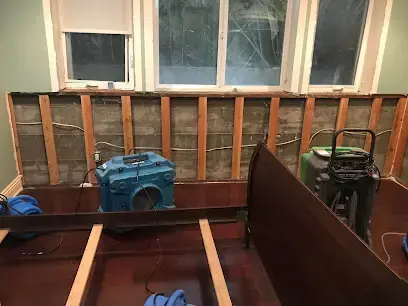
Air movers and dehumidifiers dry wet walls, floors and framing at a pace set by moisture readings, so the dry-out in a Rolling Hills Estates home ends when the materials prove dry.
(888) 563-9619Rolling Hills Estates structural drying help- LGR dehumidifiers
- Wall cavity drying
- Daily psychrometric logs
Right away
First steps for structural drying in Rolling Hills Estates
- 1
Stop new water
Fix or shut off the source so the structure stops taking on moisture.
- 2
Remove the standing water
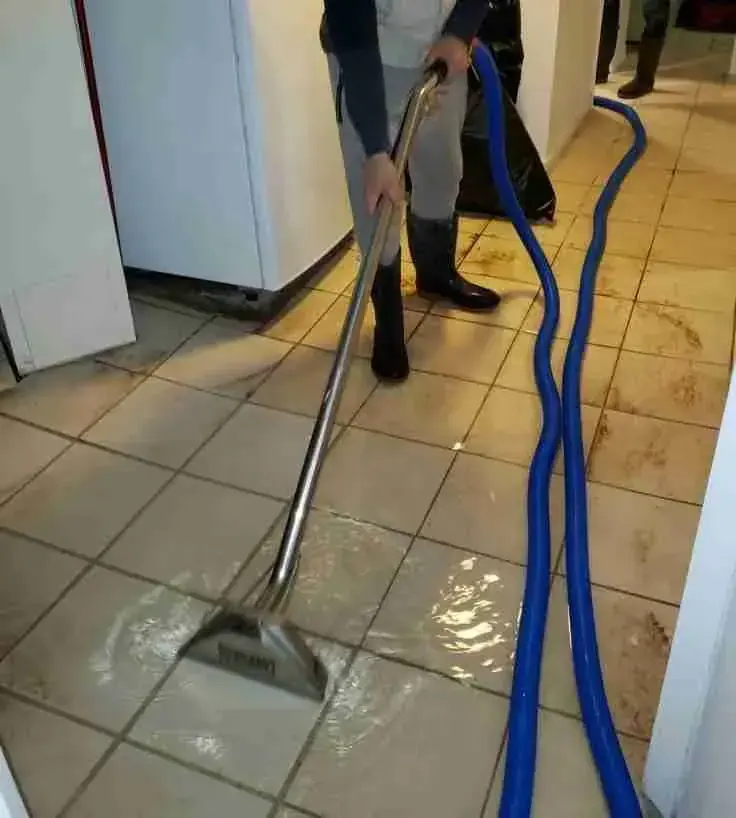
Extraction comes first because drying equipment cannot keep up with pooled water.
- 3
Leave the equipment running
Once set up, air movers and dehumidifiers should stay on, with doors and windows closed.
- 4
Keep the log of visits
Save the daily moisture readings and photos for the insurance claim.
How the work runs
How the Rolling Hills Estates crews approach structural drying
Rapid local response
The response team dispatches 24/7 across Rolling Hills Estates and nearby communities, and active water is treated as urgent at any hour.
IICRC S500 drying standard
IICRC S500 is the industry drying standard: structural drying, not just surface drying, with equipment sized to each room.
Claim-ready documentation
Moisture maps, daily drying logs and timestamped photos taken before any demolition go into the claim file.
Local water know-how
The walkthrough checks the source, the slab or subfloor and the rooms next door, not only the room where water showed up.
What it usually costs
What does structural drying cost in Rolling Hills Estates, CA?
Drying alone runs from about $1,500 for one area to $14,000 or more for a Class 4 loss or a whole floor. Equipment count, monitoring days and wall openings account for most of the range.
One wet area
$1,500 to $3,000
- Small Class 1 or 2 loss
- Fans plus one LGR dehumidifier
- Roughly four drying days
Several rooms, walls opened
$3,000 to $7,000
- Wall cavity drying
- Multiple dehumidifiers
- Daily psychrometric logs
Class 4 loss or whole floor
$7,000 to $14,000+
- Desiccant dehumidifiers
- Slab or plaster drying
- Extended monitoring
These are typical ranges, never a quote: the water category, the square footage, the material class and how fast drying started move the number most. The water damage cost calculator gives a closer planning range, and the restoration contractor who responds sets the real scope after the walkthrough.
Water removal only starts a dry-out. Wood, drywall and concrete keep moisture inside, and the air in a closed house can only hold so much, which is why dehumidifiers and air movers run for days and why the process is measured instead of timed.
How a structural dry-out is set up
- Air movers push dry air across wet surfaces to lift moisture out.
- LGR dehumidifiers pull the vapor from the air and drain it away.
- Wall cavities are drilled or opened so air can reach wet framing.
- Readings are taken in the same spots each visit for a clear trend.
- Equipment is moved or removed as materials reach their dry targets.
Drying is physics, not luck. A psychrometric reading combines air temperature and humidity to show whether the room is pulling moisture from materials, and the crew adjusts equipment based on that number rather than on how dry the surface feels.
Why the weather barely matters
The city reports winter averages of 51 degrees at night and 64 in the day, and summer averages of 62 and 72. Those mild numbers do not dry a wet house, so equipment does the work in every season, and the plan follows moisture readings, not the calendar.
The median home was built around 1970, and dense materials such as hardwood, concrete or plaster release water slowly. Those Class 4 losses call for desiccant dehumidifiers and longer monitoring.
Proving the structure is dry
A job is complete only when each wet material matches the dry reference reading taken from an unaffected area of the same home. The logs, photos and equipment records then give the adjuster a clear record of how the drying was managed.
Most drying follows water extraction, and timing questions get a first answer from the drying time estimator.
Step by step
The structural drying process in Rolling Hills Estates
- 1
Measure
Readings set the starting point.
- 2
Place
Air movers and dehumidifiers go where readings run highest.
- 3
Monitor
Each visit repeats readings and adjusts equipment.
- 4
Release
Equipment leaves when every material hits its dry target.
Where the crews work
Structural drying across Rolling Hills Estates and nearby communities
Structural drying serves homes and businesses across Rolling Hills Estates, from The Ranch, Rollingwood and Strawberry Lane to units in the Commercial District between Hawthorne Boulevard and Crenshaw Boulevard, in ZIP codes 90274 and 90275.
The same service nearby: structural drying in Wilmington, Lomita, Carson.
Water damage restoration in Rolling Hills Estates · every town covered
More water services
Related water damage services in Rolling Hills Estates
Common questions
Questions about structural drying in Rolling Hills Estates, CA
How long does structural drying take?
Most clean-water jobs need three to five days of equipment time, and dense materials such as hardwood, concrete or plaster take longer. The readings, not a fixed schedule, decide the end date.
Why are the machines so loud and so many?
Each dehumidifier and air mover covers a limited volume, and wet materials release moisture slowly. More units early in the job means a shorter overall dry-out, and the count is reduced as readings improve.
Can the equipment be turned off at night?
It should stay on. Stopping it lets humidity climb and moisture drift back into materials, which can undo a day of progress. Running costs are small next to the cost of extra tear-out.
What are Class 1 through 4 losses?
The class describes how much water a material absorbs and how fast it releases it. Class 1 and 2 are small to moderate losses, while Class 4 means deeply held water in dense materials that need special equipment.
Will drying save the drywall?
Often yes for clean water caught early, because drywall that has not swollen or stained can dry in place. Sewage-contaminated or long-soaked drywall is removed, and a meter makes the call wall by wall.
Emergency dispatch, Rolling Hills Estates, CA
Water removed but the house still damp?
The drying team sets equipment by the readings and keeps logging until every wet material reaches its dry target.