Standing water in Lomita
Water Extraction and Removal in Lomita, CA
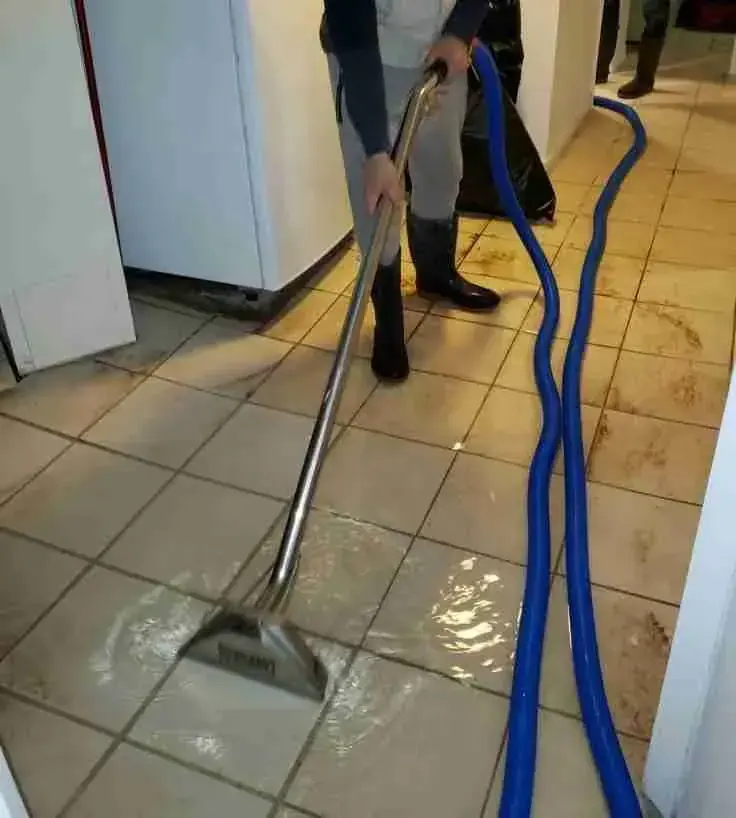
Pumps and truck-mounted extractors pull standing water out of Lomita homes, garages and apartments, and the drying team checks floors, pads and wall bottoms with a moisture meter before anything is called dry.
(888) 563-9619Call about water in a Lomita home- Wand extraction
- Pad and carpet checks
- Room by room readings
Right away
First steps for water extraction in Lomita
- 1
Stop the water
Close the main valve or the fixture valve, and keep the power off near wet outlets.
- 2
Lift what can move
Pull rugs, cushions and electronics onto dry surfaces before the pad soaks through.
- 3
Photograph the damage
Take wide and close photos of the wet floor, soaked belongings and any damaged finishes.
- 4
Keep people clear
Stay out of rooms with deep water, and treat anything that touched a sewer drain as unsafe.
How the work runs
How the Lomita crews approach water extraction
Rapid local response
The response team dispatches 24/7 across Lomita and nearby communities, and active water is treated as urgent at any hour.
IICRC S500 drying standard
IICRC S500 is the industry drying standard: structural drying, not just surface drying, with equipment sized to each room.
Claim-ready documentation
Moisture maps, daily drying logs and timestamped photos taken before any demolition go into the claim file.
Local water know-how
The walkthrough checks the source, the slab or subfloor and the rooms next door, not only the room where water showed up.
What it usually costs
What does water extraction cost in Lomita, CA?
Extraction pricing falls into three bands, set by how many rooms are wet and what kind of water it was. One room of clean water is the low end, and a whole floor or Category 3 water is the high end.
One clean-water room
$1,200 to $2,400
- Pump and wand pass
- Pad lifted and checked
- Dehumidifier set up
Several rooms wet
$2,400 to $4,500
- Pad removed where soaked
- Baseboards pulled to check
- Logged readings each visit
Whole floor or Category 3
$4,500 to $9,000+
- Carpet and pad hauled out
- Antimicrobial cleaning
- Drying through the structure
These are typical ranges, never a quote: the water category, the square footage, the material class and how fast drying started move the number most. The water damage cost calculator gives a closer planning range, and the restoration contractor who responds sets the real scope after the walkthrough.
Most indoor water losses start with a failed pipe, hose or appliance, and a heavy storm can push rain into a garage or ground floor. Either way, water left on a floor soaks into pad, subfloor and wall bottoms, so removal comes before any drying equipment.
What the extraction crew does first
- Pumps out deep water, then switches to a truck-mounted extractor for the finish
- Uses wands and weighted tools to pull water from carpet and pad
- Lifts carpet corners to see whether the pad underneath is still wet
- Checks baseboards, door jambs and cabinet bases with a moisture meter
- Sorts the water by category before choosing cleaning products
Clean water from a supply leak is the easiest case. Gray water from a washer or dishwasher needs a cleaning step, and anything that touched a sewer drain is handled under a separate sewage backup plan. Category decides how much material has to leave the building.
Older buildings and shared walls
About 78.9% of Lomita's housing units were built before 1980, and 55.4% of occupied homes are rented. In older buildings, water often travels under flooring and through wall bottoms before anyone sees a stain.
Multi-family buildings along Narbonne Avenue, Cypress Street and Pacific Coast Highway share walls, so a spill in one unit can reach the next. Extraction there covers each affected wall, not only the room where the pipe failed.
When rain is the cause
FEMA places all of Lomita in Zone X, an area of minimal flood hazard, yet the city's hazard mitigation plan describes localized flooding on low-lying roads, at intersections and in older neighborhoods with limited or aging storm drains.
February is the wettest month at 3.23 inches, and a garage door threshold or a low patio is where runoff tends to come in. The crew pumps first, then moves to the drying phase for the subfloor and wall bottoms.
Step by step
The water extraction process in Lomita
- 1
Pump
Standing water leaves first, before any extractor passes.
- 2
Extract
Wands and a weighted tool draw water out of carpet and pad.
- 3
Measure
A moisture meter maps wet flooring, baseboards and wall bottoms.
- 4
Dry
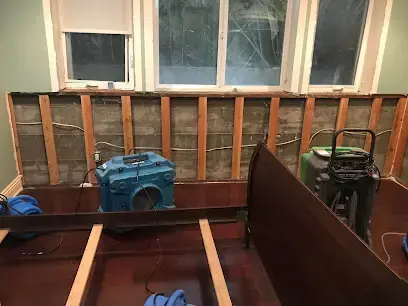
Air movers and a dehumidifier run until each reading matches dry material.
Where the crews work
Water extraction across Lomita and nearby communities
Extraction work covers all of ZIP 90717, from Downtown Lomita and the Narbonne Avenue corridor to Lomita Park, the streets near Western Avenue and the hilly area south of Via Madonna.
The same service nearby: water extraction in Wilmington, Rolling Hills Estates, Carson.
More water services
Related water damage services in Lomita
Common questions
Questions about water extraction in Lomita, CA
How soon should standing water be removed?
As early as possible, because carpet pad and drywall start absorbing right away, and mold can begin within 24 to 48 hours on damp material. Extraction stops that spread before drying starts.
Is a wet-dry vacuum enough for a flooded room?
A shop vacuum clears puddles but leaves water inside the pad and under baseboards. A truck-mounted extractor and moisture meter find and remove what a vacuum misses.
Can carpet be saved after a clean-water leak?
Often yes when the water is clean and extraction starts early. The pad usually comes out, since it holds water, and the carpet is cleaned, dried and stretched back down.
What changes when the water is gray or black?
Gray water from a washer or dishwasher carries soap and some bacteria, so porous materials are cleaned or removed. Black water from a sewer drain or storm runoff means carpet, pad and lower drywall are removed, not saved.
Who pays for extraction in a rented unit?
Cost follows the cause and the lease. A tenant's renters policy and the owner's property policy can both be involved, so the crew documents moisture, photos and the source for each side's adjuster.
What do moisture readings show before the crew leaves?
Readings on floors, baseboards and wall bottoms are compared with an unaffected reference spot in the same home. Equipment stays until wet materials match that dry reading.
Emergency dispatch, Lomita, CA
Get the water out of the building before it reaches the subfloor
The extraction crew brings pumps, wands and meters to Lomita homes, apartments and shops, then keeps drying equipment running until every reading matches dry material.