Sewage backups in Lomita
Sewage Backup Cleanup in Lomita, CA
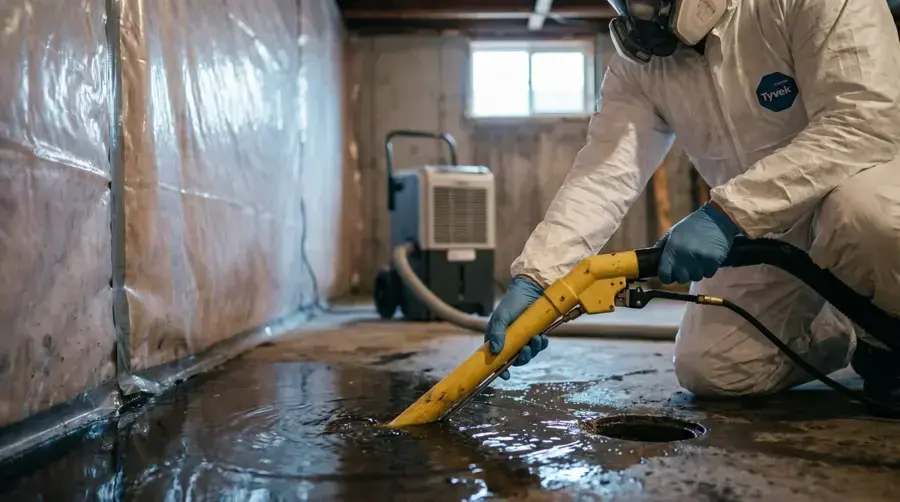
Sewer water in a Lomita bathroom, hallway or garage is a health hazard, so the cleanup crew seals off the area, removes soiled materials, disinfects what stays and dries the structure afterward.
(888) 563-9619Lomita sewage backup help- PPE and containment
- HEPA air scrubbing
- Disinfection and drying
Right away
First steps for sewage backup cleanup in Lomita
- 1
Stay out
Keep children, pets and visitors out of the wet area.
- 2
Stop using water
Skip flushing, laundry and dishwashers so more water does not enter the drain.
- 3
Avoid direct contact
Do not touch sewage with bare hands or wipe it up with household towels.
- 4
Photograph, then wait
Take photos of affected rooms and leave soaked items in place.
How the work runs
How the Lomita crews approach sewage backup cleanup
Rapid local response
The response team dispatches 24/7 across Lomita and nearby communities, and active water is treated as urgent at any hour.
IICRC S500 drying standard
IICRC S500 is the industry drying standard: structural drying, not just surface drying, with equipment sized to each room.
Claim-ready documentation
Moisture maps, daily drying logs and timestamped photos taken before any demolition go into the claim file.
Local water know-how
The walkthrough checks the source, the slab or subfloor and the rooms next door, not only the room where water showed up.
What it usually costs
What does sewage backup cleanup cost in Lomita, CA?
Sewage jobs cost more because of protective gear, containment and removal of porous materials. One bathroom on a hard floor is the lowest tier, and several rooms of Category 3 water sit at the top.
One bathroom, hard floor
$2,500 to $5,000
- Liquid and solids removed
- Surfaces disinfected
- Lower drywall cut out
Bathroom plus hallway
$5,000 to $12,000
- Carpet and pad removed
- HEPA air scrubbers running
- Antimicrobial applied
Several rooms affected
$12,000 to $24,000+
- Category 3 debris hauled
- Contents sorted and cleaned
- Long structural drying
These are typical ranges, never a quote: the water category, the square footage, the material class and how fast drying started move the number most. The water damage cost calculator gives a closer planning range, and the restoration contractor who responds sets the real scope after the walkthrough.
A backup is not just wet, it is contaminated. Anything porous that touched sewage, such as carpet, pad, lower drywall and insulation, is cut out and bagged, while hard surfaces are cleaned, disinfected and dried. That standard applies whether the backup started in a tub, a floor drain or a toilet.
How a sewage cleanup is staged
- Plastic sheeting and a negative air setup keep contamination in one zone
- Pumps and extractors remove liquid and solids before any scrubbing begins
- Porous materials are removed past the contaminated edge and bagged
- Hard surfaces are cleaned, then treated with an antimicrobial product
- Air scrubbers with HEPA filters run during demolition and drying
Cleanup follows the water, starting with extraction of the standing liquid. If the backup reached a hallway or a bedroom, carpet and pad there are removed too, since sewage cannot be washed out of fibers. Contents get sorted into items that can be cleaned and items that cannot.
Sewer system and shared buildings
The City of Lomita owns its sewer system, and the Los Angeles County Consolidated Sewer Maintenance District handles management, operation and maintenance of the local sanitary sewer system. A plumber's camera check shows whether a blockage sits in the building's own drain or farther along.
Multi-family and mixed-use buildings along Narbonne Avenue, Cypress Street and Pacific Coast Highway share walls, and 55.4% of occupied homes in the city are rented. A backup in a ground-floor unit can reach neighbors through shared drains and floors.
Landlords, tenants and claims
In a rented unit, the owner or property manager should hear about a backup right away, and the tenant should keep photos and receipts. The mitigation team writes up the affected rooms so each side can show the loss.
Kitchens and bathrooms stay closed until readings and a final cleaning pass say the space is safe. Drying the structure afterward follows the cleanup.
Step by step
The sewage backup cleanup process in Lomita
- 1
Contain
Sheeting and negative air keep contaminated air inside the work zone.
- 2
Remove
Sewage is extracted, then soiled carpet, pad and drywall are bagged out.
- 3
Disinfect
Hard surfaces and framing are cleaned and treated with an antimicrobial.
- 4
Dry
Air movers and dehumidifiers run until readings match dry reference material.
Where the crews work
Sewage backup cleanup across Lomita and nearby communities
Sewage cleanup covers every part of ZIP 90717, with extra attention to multi-family buildings on Narbonne Avenue, Cypress Street and Pacific Coast Highway, Downtown Lomita storefronts and the homes around Lomita Park.
The same service nearby: sewage backup cleanup in Wilmington, Rolling Hills Estates, Carson.
More water services
Related water damage services in Lomita
Common questions
Questions about sewage backup cleanup in Lomita, CA
Is a sewage backup an emergency?
Yes, because contamination spreads to more materials the longer it sits. Keep people out, stop using drains and have the cleanup crew isolate the area.
Can carpet be cleaned after sewage?
No. Carpet and pad that soaked up Category 3 water are removed, because bacteria stay in the fibers and backing even after surface cleaning.
Why does a plumber's camera check come first?
A backup that returns means the blockage is still there. The camera shows whether it sits in the building's drain or the main, and cleanup is only worth finishing once the drain is clear.
What happens to belongings that got wet?
Hard items such as glass, metal and sealed plastic are cleaned and disinfected. Porous items, including upholstery, cardboard and rugs, usually cannot be made safe again and are listed for the insurer before disposal.
Do renters or owners pay for the cleanup?
That depends on the cause, the lease and the policies involved. The restoration team documents the loss in the same way for either party, so adjusters and property managers see matching photos and readings.
When is it safe to use the room again?
After contaminated materials are out, surfaces are disinfected and readings show the structure is dry. The crew confirms each step before the space goes back into normal use.
Emergency dispatch, Lomita, CA
Handle contaminated water with the right gear and a plan
The cleanup crew in Lomita seals the work zone, removes what sewage reached and disinfects the rest, then dries the building before any rebuild starts.