Signal Hill structural drying
Structural Drying and Dehumidification in Signal Hill, CA
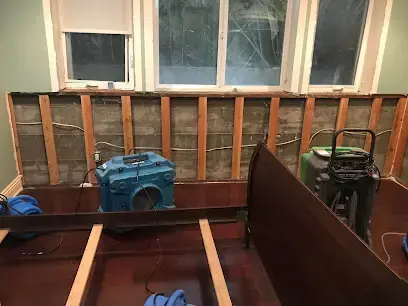
Wet framing, subfloors and wall cavities in Signal Hill are dried with LGR dehumidifiers and air movers, and daily psychrometric readings decide when each piece of equipment can leave.
(888) 563-9619Signal Hill drying help- LGR dehumidifiers
- Air movers and wall cavity drying
- Daily psychrometric logs
Right away
First steps for structural drying in Signal Hill
- 1
Stop the water
Shut the source and mop up standing water so the air can dry the rest.
- 2
Open the space
Pull baseboards and move furniture so air can reach wet walls.
- 3
Hold the thermostat
Keep the temperature steady and leave equipment settings to the crew.
- 4
Photograph first
Capture wet walls, floors and the source before equipment goes in.
How the work runs
How the Signal Hill crews approach structural drying
Rapid local response
The response team dispatches 24/7 across Signal Hill and nearby communities, and active water is treated as urgent at any hour.
IICRC S500 drying standard
IICRC S500 is the industry drying standard: structural drying, not just surface drying, with equipment sized to each room.
Claim-ready documentation
Moisture maps, daily drying logs and timestamped photos taken before any demolition go into the claim file.
Local water know-how
The walkthrough checks the source, the slab or subfloor and the rooms next door, not only the room where water showed up.
What it usually costs
What does structural drying cost in Signal Hill, CA?
Drying one area runs $1,500 to $3,000 in Signal Hill, several rooms with walls opened run $3,000 to $7,000, and a Class 4 loss or whole floor reaches $7,000 to $14,000 or more.
Drying one area
$1,500 to $3,000
- Class 1 or 2 loss
- One LGR unit, air movers
- Three to four drying days
Several rooms, walls opened
$3,000 to $7,000
- Wall cavity drying
- Several dehumidifiers
- Daily psychrometric logs
Class 4 or whole floor
$7,000 to $14,000+
- Desiccant dehumidifiers
- Slab or plaster drying
- Extended monitoring
These are typical ranges, never a quote: the water category, the square footage, the material class and how fast drying started move the number most. The water damage cost calculator gives a closer planning range, and the restoration contractor who responds sets the real scope after the walkthrough.
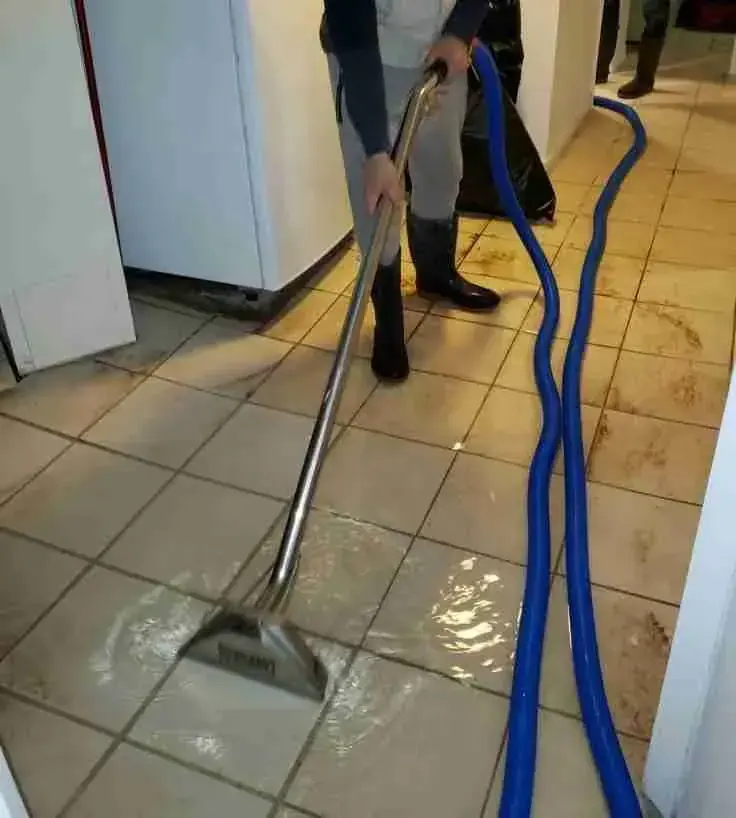
Extraction removes the water that is visible. Structural drying removes what the building still holds in framing, subfloor, drywall and plaster, which decides whether the loss stays a water job or becomes a rot and mold problem.
How the drying works
Air movers push dry air across wet surfaces while LGR dehumidifiers pull the moisture out of the room, and the team balances the two so the air stays dry enough to keep drawing water out of the materials.
- Class 1 and 2 losses use air movers and one or more LGR units
- Wall cavities are opened at the baseboard so air can move through
- Class 3 losses from above add removal of soaked ceiling insulation
- Class 4 losses in plaster, hardwood or slab call for desiccant dehumidifiers
- Temperature, humidity and moisture content are logged each visit
Why winter rain matters here
Signal Hill's rain comes in winter after a dry summer, so a roof or window leak often lands in the season when outdoor air is damp too. Indoor humidity control matters more then, and the crew monitors the room instead of relying on open windows.
Drying and the rebuild
The city's Building Permit Required handout exempts painting, papering and floor coverings from a permit but requires one when framing, plumbing, electrical or mechanical systems are repaired or altered. A rebuild contractor or the Building Safety Division can say which finish work needs a permit.
Drying has to finish first, because closing walls over damp framing invites decay. The drying time estimator gives a rough schedule, and water extraction and removal covers the stage before it.
Step by step
The structural drying process in Signal Hill
- 1
Measure
Moisture content and humidity are logged first.
- 2
Place
Air movers and dehumidifiers go in by room volume.
- 3
Monitor
Readings are taken and equipment adjusted each visit.
- 4
Release
Equipment leaves when materials reach dry standard.
Where the crews work
Structural drying across Signal Hill and nearby communities
Structural drying covers Signal Hill houses, condos and townhomes, from Crescent Heights and the Hilltop Area to Cityview and Pacificwalk, plus shops and offices around Willow Street and Cherry Avenue.
The same service nearby: structural drying in Wilmington, Long Beach, Carson.
Water damage restoration in Signal Hill · every town covered
More water services
Related water damage services in Signal Hill
Common questions
Questions about structural drying in Signal Hill, CA
Why does equipment run for days?
Water inside framing and subfloor leaves slowly, and drying too fast can damage wood. Equipment runs until readings match dry reference values.
Can drying be skipped if the surface looks dry?
No. Surfaces dry first, while framing, insulation and subfloor stay wet underneath and can grow mold within 24 to 48 hours.
What is an LGR dehumidifier?
A low grain refrigerant unit that pulls moisture from air at lower humidity than a standard dehumidifier, which keeps materials giving up water.
What does a Class 4 loss mean?
Dense materials such as plaster, hardwood or concrete hold water deeply and release it slowly, so desiccant dehumidifiers and longer monitoring are used.
Do walls have to be opened?
Sometimes. Wall cavities with wet insulation or trapped water are opened at the baseboard or cut, while dry walls stay closed.
Does the city require a permit to rebuild?
The Building Permit Required handout exempts painting, papering and floor coverings but not framing, plumbing, electrical or mechanical repairs. The rebuild contractor confirms what applies to a given job.
Emergency dispatch, Signal Hill, CA
Dry the structure before the walls are closed
The drying team places dehumidifiers and air movers by room volume, logs readings each visit and releases equipment only when the materials reach dry standard.