Storm water in Lomita
Storm and Flash Flood Cleanup in Lomita, CA
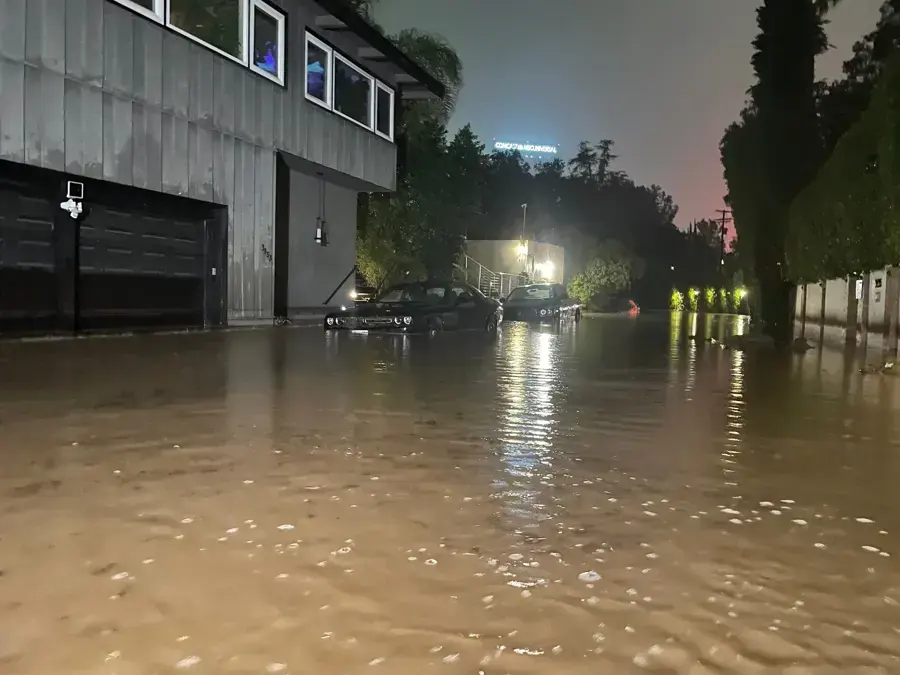
Heavy rain can overwhelm a low driveway or a garage threshold even in a city with minimal flood hazard. The storm crew pumps out runoff, strips soaked materials and dries the structure with logged readings.
(888) 563-9619Lomita storm water help- Pumping and extraction
- Storm runoff cleanup
- Daily readings
Right away
First steps for storm and flash flood cleanup in Lomita
- 1
Stay out of deep water
Do not wade through floodwater, since it can hide hazards and carry contamination.
- 2
Power down
Switch off breakers for wet areas and keep away from outlets and cords.
- 3
Move valuables up
Lift documents, electronics and keepsakes onto shelves or tables above the water.
- 4
Document everything
Photograph water depth, damaged items and door and garage openings before cleanup.
How the work runs
How the Lomita crews approach storm and flash flood cleanup
Rapid local response
The response team dispatches 24/7 across Lomita and nearby communities, and active water is treated as urgent at any hour.
IICRC S500 drying standard
IICRC S500 is the industry drying standard: structural drying, not just surface drying, with equipment sized to each room.
Claim-ready documentation
Moisture maps, daily drying logs and timestamped photos taken before any demolition go into the claim file.
Local water know-how
The walkthrough checks the source, the slab or subfloor and the rooms next door, not only the room where water showed up.
What it usually costs
What does storm and flash flood cleanup cost in Lomita, CA?
Storm jobs run higher than a plain leak because the water is contaminated. A garage or one room is the entry tier, while a whole ground floor with Category 3 removal sits at the top.
Garage or one room
$3,000 to $6,000
- Water pumped and extracted
- Lower drywall cut out
- Antimicrobial applied
Several ground-floor rooms
$6,000 to $15,000
- Carpet, pad and drywall removed
- Barriers and HEPA filtration
- Readings logged daily
Whole ground floor
$15,000 to $30,000+
- Category 3 removal throughout
- Contents sorted and cleaned
- Long structural drying
These are typical ranges, never a quote: the water category, the square footage, the material class and how fast drying started move the number most. The water damage cost calculator gives a closer planning range, and the restoration contractor who responds sets the real scope after the walkthrough.
Storm water is never clean. By the time rain runoff crosses pavement and enters a garage, it carries soil, oil and bacteria, so it is treated as Category 3 water and handled with gear, containment and cleaning, not just a wet vacuum.
What the hazard plan says about Lomita
FEMA's flood map puts the entire city in Zone X, an area of minimal flood hazard. The city's hazard mitigation plan still says street flooding and overwhelmed storm drains have been a problem in certain parts of Lomita during back-to-back storms or above-normal rain.
The same plan reports no major flood events or significant flood damage since its last planning cycle and says no specific location is consistently affected. Flood risk is treated as a citywide concern.
Storm seasons and county declarations
Los Angeles County was covered by federal disaster declarations for severe winter storms and flooding in the winter of 2022 to 2023 and again in early 2024. Those were county-level declarations, so they say nothing about a particular Lomita street or building.
Rain in Lomita averages 14 inches a year, so storms are occasional events rather than a monthly routine. Water that does enter a building usually comes through a garage opening, a low door or an overwhelmed floor drain.
Cleanup after storm water
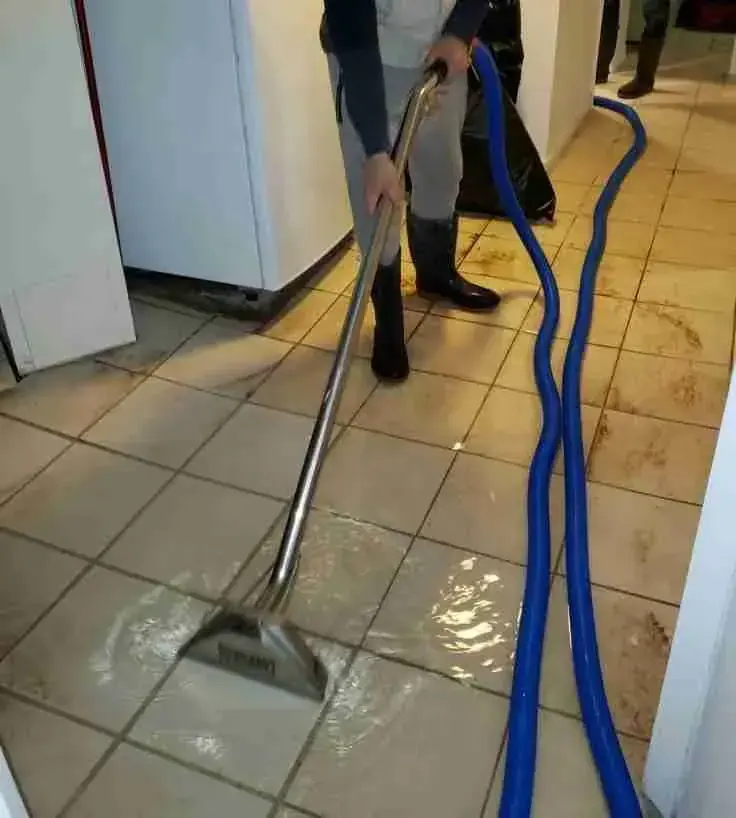
- Pumps clear deep water from garages and ground floors
- Carpet, pad and lower drywall that wicked up runoff are removed
- Hard surfaces are scrubbed and treated with an antimicrobial
- Moisture mapping covers walls, door frames and stored contents
Insurance questions come up early, since a standard homeowner policy may treat surface flood water differently from a plumbing leak. The Lomita storm crew photographs everything and keeps a clean log for the adjuster. The first pump-out follows water extraction in Lomita, and structural drying finishes the job.
Step by step
The storm and flash flood cleanup process in Lomita
- 1
Pump
Deep storm water leaves garages and ground floors.
- 2
Strip
Soaked carpet, pad and lower drywall are bagged out.
- 3
Clean
Surfaces and framing get an antimicrobial treatment.
- 4
Dry
Equipment runs until logged readings show dry material.
Where the crews work
Storm and flash flood cleanup across Lomita and nearby communities
Storm cleanup covers all of ZIP 90717, since the hazard plan treats flood risk as citywide: Downtown Lomita, Lomita Park, the Narbonne Avenue corridor and the hilly area south of Via Madonna.
The same service nearby: storm and flash flood cleanup in Wilmington, Rolling Hills Estates, Carson.
More water services
Related water damage services in Lomita
Common questions
Questions about storm and flash flood cleanup in Lomita, CA
Is Lomita in a flood zone?
FEMA places the whole city in Zone X, an area of minimal flood hazard. Street flooding can happen during back-to-back storms, so a garage or ground floor can still take on water.
Why is storm water treated as contaminated?
Runoff picks up soil, oil, trash and bacteria from pavement and yards before it reaches a building. That puts it in Category 3, so porous materials it soaked are removed rather than dried.
Does flood insurance cover storm cleanup?
Coverage depends on the policy. Lomita takes part in the National Flood Insurance Program, but homeowner and renter policies often handle surface water differently, so the policy wording and the adjuster decide.
What gets removed after a garage floods?
Anything porous that soaked up runoff, such as stored cardboard, carpet remnants, insulation and lower drywall. Concrete floors and framing are cleaned and dried instead of replaced.
How long until the structure is dry after a storm?
There is no fixed number. Wet drywall, subfloor and framing dry at different speeds, so daily readings decide when equipment can leave, not the calendar.
Can mold follow a storm leak?
It can, within 24 to 48 hours on damp drywall and wood. Fast pumping, removal of soaked materials and steady airflow are what keep that from starting.
Emergency dispatch, Lomita, CA
Clear the storm water and dry out what it touched
The storm crew pumps out contaminated runoff, removes soaked materials and dries Lomita garages, ground floors and shops until readings confirm the structure is dry.